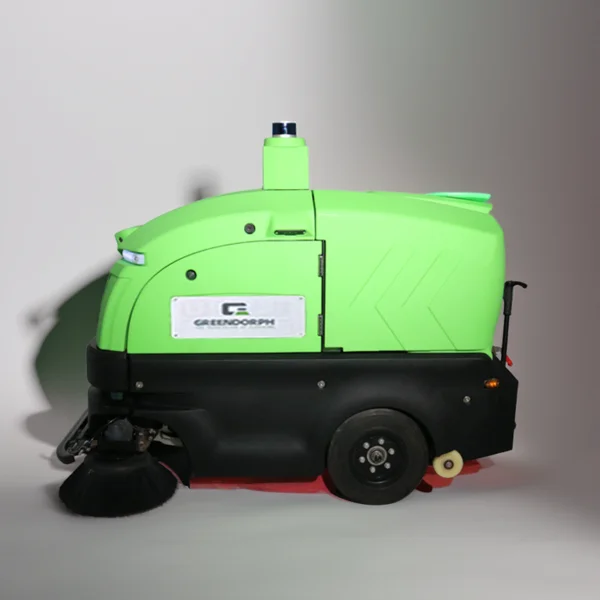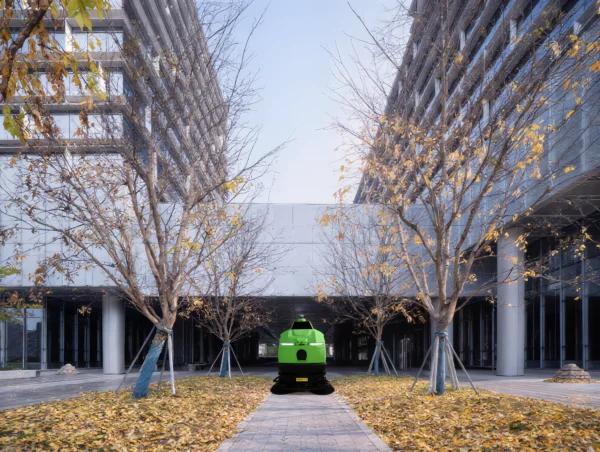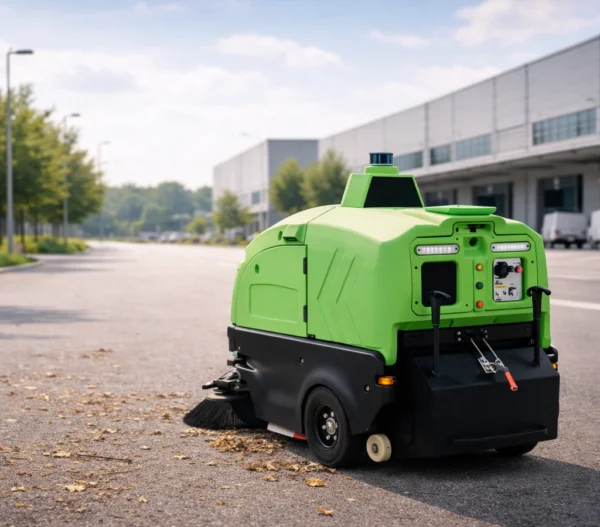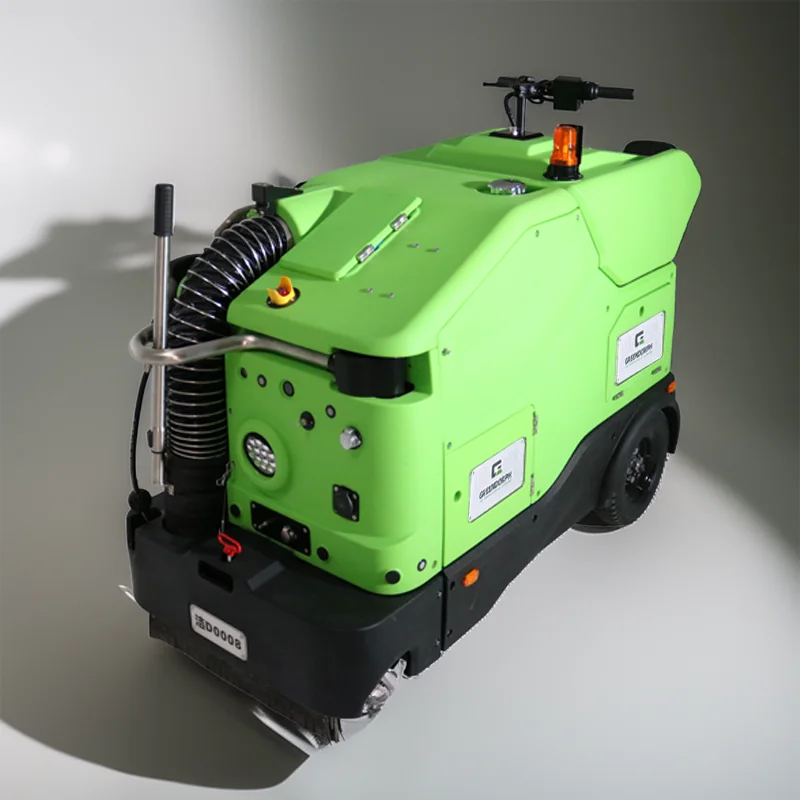
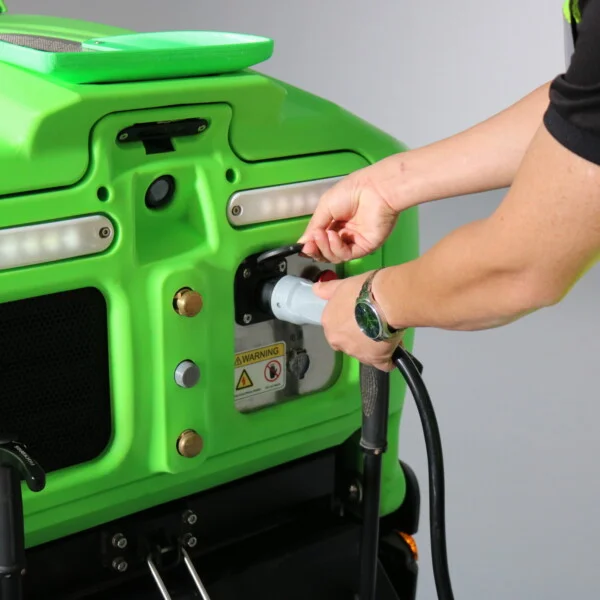
Air quality in public spaces often dictates the overall well-being of a community, yet the role of specialized maintenance equipment is rarely discussed in health forums. At Greendorph, we focus on how mechanical collection methods affect airborne particulate matter. When we deploy an outdoor robot cleaner, our primary objective is to ensure that dust, pollen, and fine debris are captured rather than recirculated into the atmosphere. Refinement in vacuum technology allows facilities to maintain clean walkways while simultaneously reducing the respiratory irritants present in busy pedestrian zones.
Mitigating Particulate Dispersion in Public Zones
Traditional sweeping methods frequently stir up clouds of dust, which may prove detrimental to public health by increasing the concentration of PM2.5 and other pollutants. To combat this, we utilize equipment featuring high-efficiency particulate air filtration systems. When an outdoor sweeper vacuum operates correctly, it creates a negative pressure seal against the ground, trapping particles inside the containment bin. We have observed that minimizing the agitation of surface debris is essential for maintaining air purity in parks, plazas, and city centers where crowds gather throughout the day.
Integrating Filtration Standards for Urban Maintenance
The technical capacity of a machine to retain fine dust depends on the quality of its internal filters. We prioritize systems that meet rigorous retention standards to ensure that exhaust air remains clean. An outdoor robot cleaner equipped with multi-stage filtration provides a distinct advantage over standard mechanical brushes that lack vacuum suction. Greendorph integrates these high-filtration components because we recognize that long-term environmental hygiene depends on the capability of the hardware to sequester pollutants safely within the machine until the disposal process occurs.
Balancing Efficiency and Environmental Responsibility
Effective sanitation programs require a balance between operational speed and environmental impact. When we assess the performance of an outdoor sweeper vacuum, we examine how efficiently it covers large areas without sacrificing its ability to filter fine material. High-traffic pedestrian paths require consistent cleaning schedules, but the machines must operate with a minimal footprint. By optimizing the suction cycles and filter replacement intervals, we ensure that our equipment maintains high collection rates. This disciplined approach allows for cleaner public environments without the noise or dust pollution associated with less sophisticated legacy systems.
Sustaining Cleaner Environments Through Technology
Maintaining public health in shared outdoor spaces relies on the persistent application of effective cleaning technologies. We find that the synergy between autonomous movement and advanced vacuum filtration provides a robust solution for facility management. By ensuring each outdoor robot cleaner remains well-maintained and every outdoor sweeper vacuum uses high-grade filtration media, we create a safer atmosphere for all visitors. Greendorph remains committed to these technical refinements, as we prioritize the long-term health of the communities we serve through improved sanitation practices. Consistent maintenance protocols, combined with high-filtration hardware, represent the most effective way to manage debris and protect air quality in demanding urban environments.