Protecting valuable goods inside distribution hubs, supply-chain terminals, and high-volume packing plants requires a thorough plan to control fine dust, spilled fluids, and gritty tracking. Left unmanaged, abrasive sand and wood fibers settle onto smooth concrete pathways, where heavy forklift tires grind them deep into the floor’s protective sealants. This continuous mechanical grinding slowly degrades the underlying surface, generating even more concrete dust that eventually drifts onto sensitive inventory shelves. Integrating a specialized warehouse sweeper into daily maintenance plans provides facility managers with a highly systematic, predictable way to control this indoor particulate buildup.
Maintaining a clean and dry indoor environment is directly linked to the physical safety of your workers and the overall preservation of stored stock. Wet concrete corridors or oily floor patches represent immediate slipping hazards for walking staff and heavy cargo vehicles alike. By evaluating critical machinery parameters—such as mechanical brush downpressure, advanced moisture recovery vacuum setups, and clean battery-powered runtimes—procurement teams can secure reliable long-term hardware. Adopting a methodical program of warehouse sweeping keeps busy facility aisles clean, highly slip-resistant, and free from airborne dust contaminants.
Understanding the Physics of Friction and Local Slip Prevention
Achieving a high coefficient of friction on busy indoor transport lanes is essential for preventing dangerous vehicle skid accidents. Fine dust layers and microscopic oil leaks act as physical barriers that break critical tire-to-floor traction. High-torque rotating brushes resolve this common issue by scrubbing away these slippery residues instantly.
Operating a high-capacity warehouse sweeper achieves one-pass washing and drying for busy high-traffic zones efficiently. This balanced mechanical friction breaks down dried chemical grime instantly without scratching delicate topical protective coatings. Our technical teams focus heavily on these physical friction variables to help facilities build highly effective safety loops.
Eliminating Airborne Risks with Fluid Dust Suppression
Dry sweeping across warehouse lanes can generate dust clouds that may affect worker respiratory comfort. Modern dust control relies on a balanced system that uses fine water misters to bind small particles together right before vacuuming. This wet-suppression mechanism traps fine concrete dust securely inside the collection hopper instead of venting it back into the breathing zone.
Ensuring regular, deep warehouse sweeping prevents fine sand and soot from settling onto sensitive electronics and clean retail packaging. High-efficiency fabric filters prevent fine particulate matter from escaping back into the public air during long cleaning shifts. Our design team prioritizes these sealed filtration paths to safeguard indoor environments and sensitive warehouse electronics.
Adapting Multi-Mode Utility Platforms to Varied Plant Layouts
Complex industrial properties feature transitions between wide-open loading docks and highly restricted inventory racking aisles. Navigating these diverse areas traditionally required operating several different specialized utility platforms, which increased total machinery expenses. Transitioning to a single, highly adaptable utility vehicle streamlines facility operations and simplifies training requirements for ground crews.
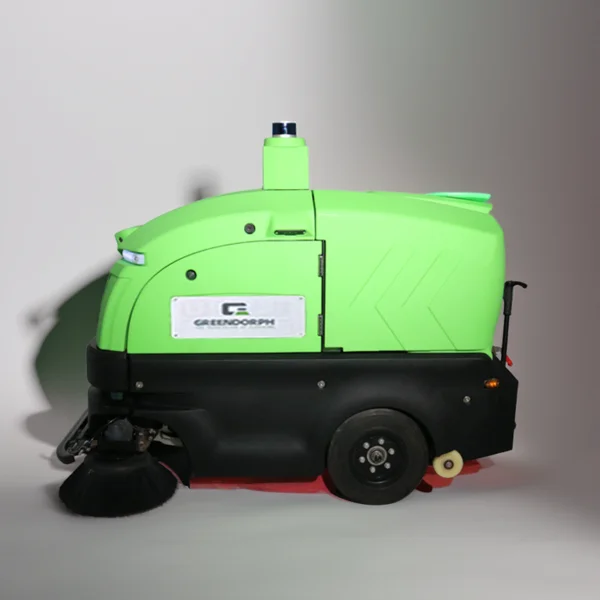
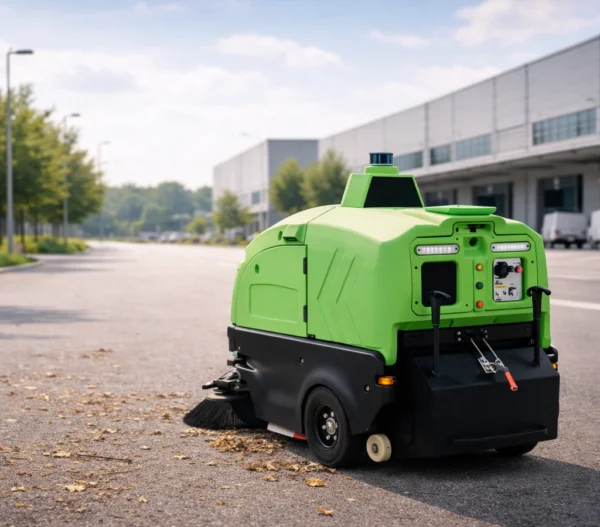
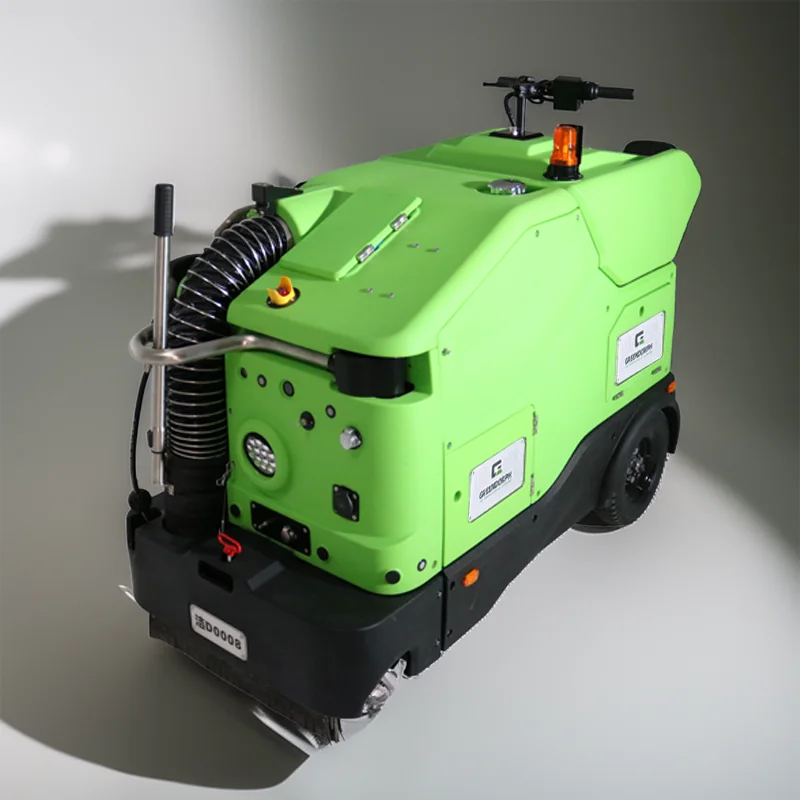
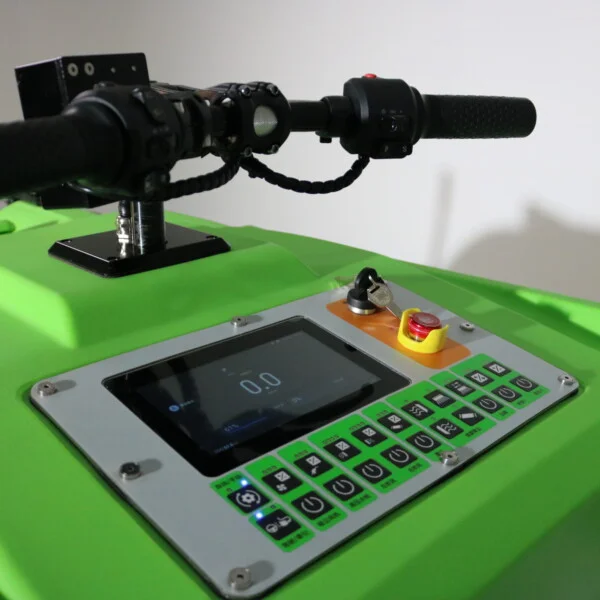
Our versatile Omniclean Urban Street Vacuum YJ80 is designed to bridge these operational gaps. This multi-functional unit adapts to your needs through three intuitive control modes; manual ride-on for normal tasks, auto-following for effortless operation, and towed traction for extended coverage. At Greendorph, we design our equipment to adapt to shifting workspace demands with minimal physical effort.
Lowering Mechanical Complexity to Reduce Warehousing Upkeep Costs
Traditional internal combustion sweeping trucks feature complex hydraulic lines, drive belts, and fluid reservoirs that require frequent, specialized maintenance. Dusty operating conditions accelerate wear on these moving parts, leading to hydraulic leaks, sudden breakdowns, and expensive repair bills. Transitioning to direct-drive electric systems simplifies the mechanical footprint and prevents these frustrating maintenance issues.
Using a highly efficient warehouse sweeper equipped with brushless electric motors drastically cuts down your weekly maintenance checklists. Shifting away from complex internal drives makes our specialized sweeping platforms incredibly reliable and easy to maintain over years of service. Keeping the underlying mechanical architecture simple supports maximum vehicle uptime, keeping your fleet active on the ground.
Transitioning to Clean Battery Power for Low-Emission Shifts
Running loud combustion-engine utility trucks during indoor shifts can create major noise disruptions and fill enclosed warehouses with exhaust fumes. Shifting to advanced, battery-powered electric drivetrains helps facilities run quiet, eco-friendly cleaning shifts at any hour of the day or night. This clean electric operation slashes annual energy costs while effectively removing localized carbon emissions from your facility footprint.
Systematic warehouse cleaning conducted with low-emission electric sweepers maintains pleasant, healthy indoor air quality within the plant. At Greendorph, we optimize our electric drivetrains to maximize energy output, helping properties maintain continuous cleaning schedules quietly and cleanly. This silent electric drive lets you run cleaning cycles during normal working hours without distracting your floor staff.
Conclusion
Picture an industrial floor that stays safe, clean, and damage-free—without the noise and emissions of outdated manual tools. That’s the power of automated electric sweepers. Certified for maneuverability in tight spaces, they capture fine dust, control moisture, and preserve expensive floor coatings. The result? Fewer repairs, lower labor costs, and a safer environment for everyone. Our team builds the sustainable electric tools that keep global facilities running at peak performance.