Rapid urban expansion has intensified the demand for cleaner and more sustainable public spaces, pushing municipalities and contractors to rethink traditional sanitation methods. The transition from diesel-powered equipment to the electric road sweeper represents a significant step toward reducing environmental impact while maintaining operational efficiency. As Greendorph, we specialize in advanced sanitation technologies designed for modern cities and large-scale outdoor environments. Through our experience in developing intelligent cleaning systems, we have seen how the street sweeper industry is shifting toward cleaner, quieter, and more energy-efficient solutions that redefine urban maintenance standards.
Reducing Emissions in Urban Cleaning Operations
One of the most immediate environmental benefits of the electric road sweeper is the elimination of direct emissions. Traditional street sweeper machines powered by internal combustion engines contribute to air pollution and greenhouse gas accumulation in densely populated areas. By contrast, the modern street sweeper powered by electricity produces zero tailpipe emissions, making it ideal for cities focused on carbon reduction goals. When fleets of electric road sweeper units replace diesel alternatives, municipalities can significantly reduce particulate matter and improve overall air quality. This shift also supports compliance with stricter environmental regulations while enhancing public health outcomes in urban zones.
Efficiency and Resource Optimization with Electric Systems
Beyond emissions reduction, the electric road sweeper offers improved energy efficiency and lower operational costs. Compared with conventional street sweeper systems, electric models convert energy more efficiently and require less maintenance due to fewer mechanical components. Water usage can also be optimized through integrated spray and dust-control systems, reducing waste during cleaning operations. For contractors managing multiple street sweeper units, this translates into long-term savings and more predictable maintenance cycles. As electric road sweeper technology continues to evolve, operators benefit from smarter energy management and longer service life across fleets of machines.
Greendorph Omniclean YJ80: Integrated Sustainable Technology
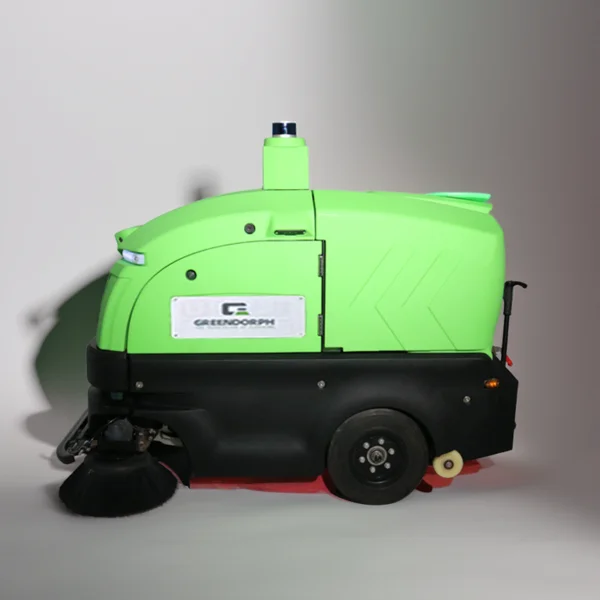
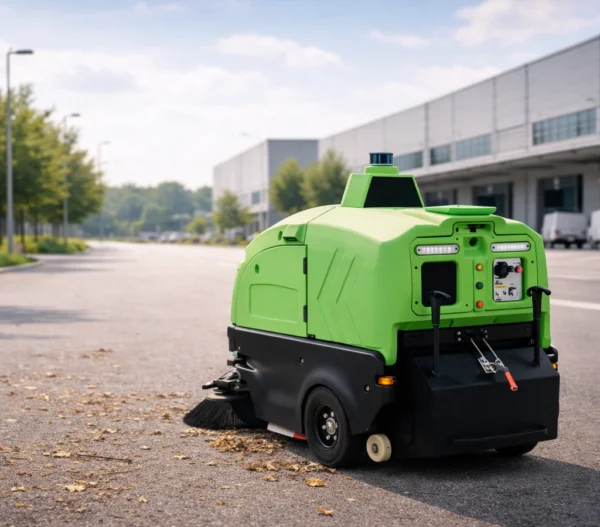
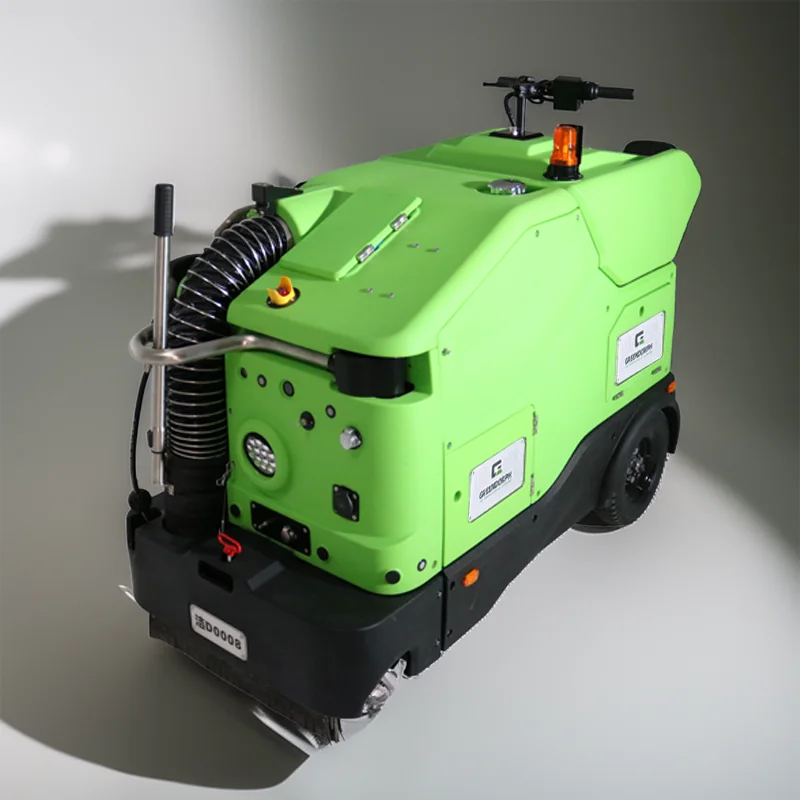
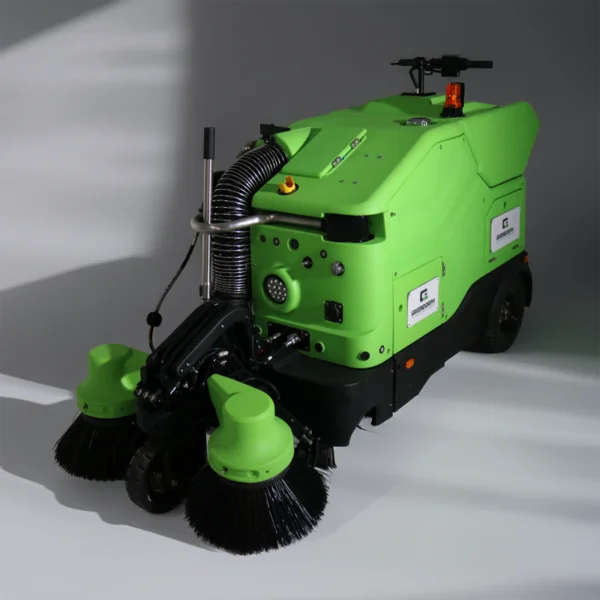
At Greendorph, we develop smart sanitation solutions that address the environmental and operational challenges faced by modern cities. Our Omniclean Urban Street Sweeper YJ80 exemplifies the future of the electric road sweeper category. This multi-functional unit offers manual ride-on, auto-following, and towed traction modes, allowing flexible operation across different environments. Its compact design enables efficient cleaning in tight urban spaces, while its advanced negative-pressure suction system integrates five core functions: high-pressure flushing, water-spray cleaning, turbine airflow, vacuum collection, and intelligent misting dust suppression. By consolidating multiple traditional street sweeper machines into one, the YJ80 reduces equipment redundancy and environmental footprint.
Building Cleaner Cities with Sustainable Sweeping Systems
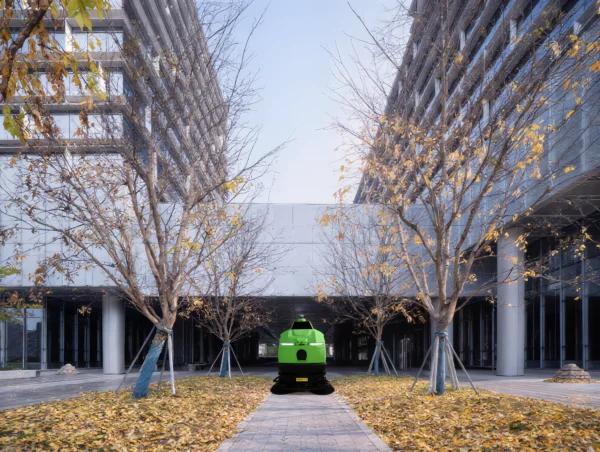
The adoption of electric road sweeper technology is more than an equipment upgrade—it represents a broader commitment to sustainable urban development. Cities that integrate advanced street sweeper systems benefit from reduced emissions, improved efficiency, and quieter operations that enhance public comfort. At Greendorph, we continue to refine our electric road sweeper innovations to support municipalities and contractors in achieving cleaner, smarter, and more environmentally responsible infrastructure.