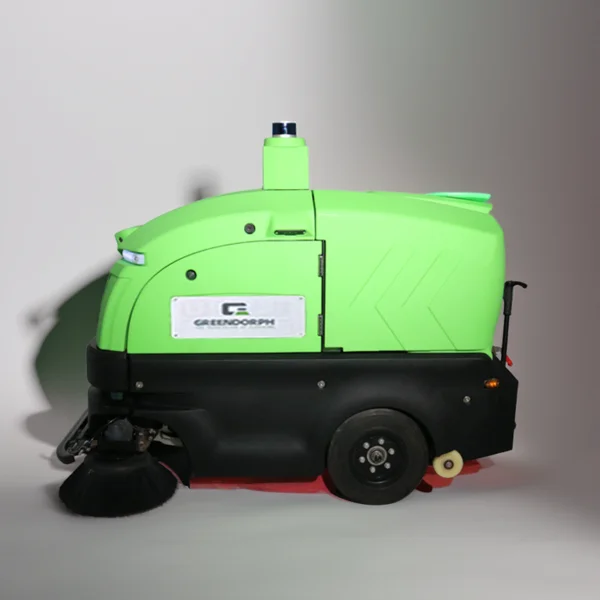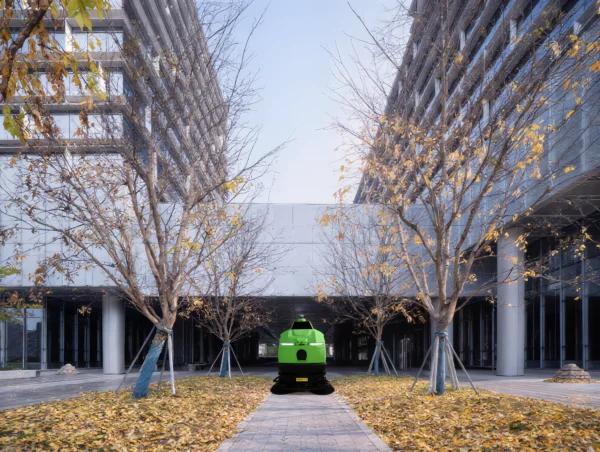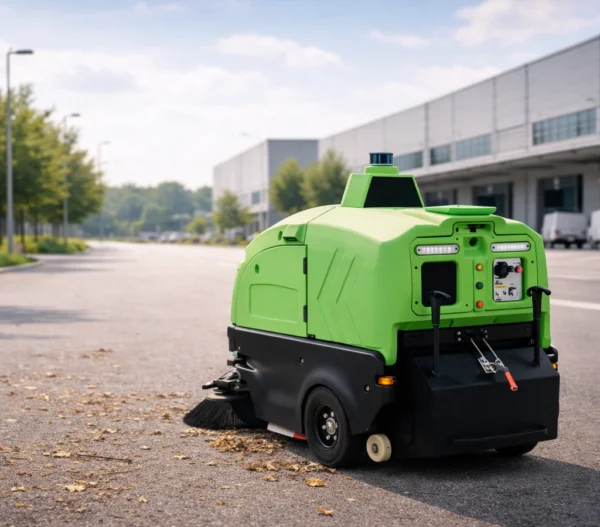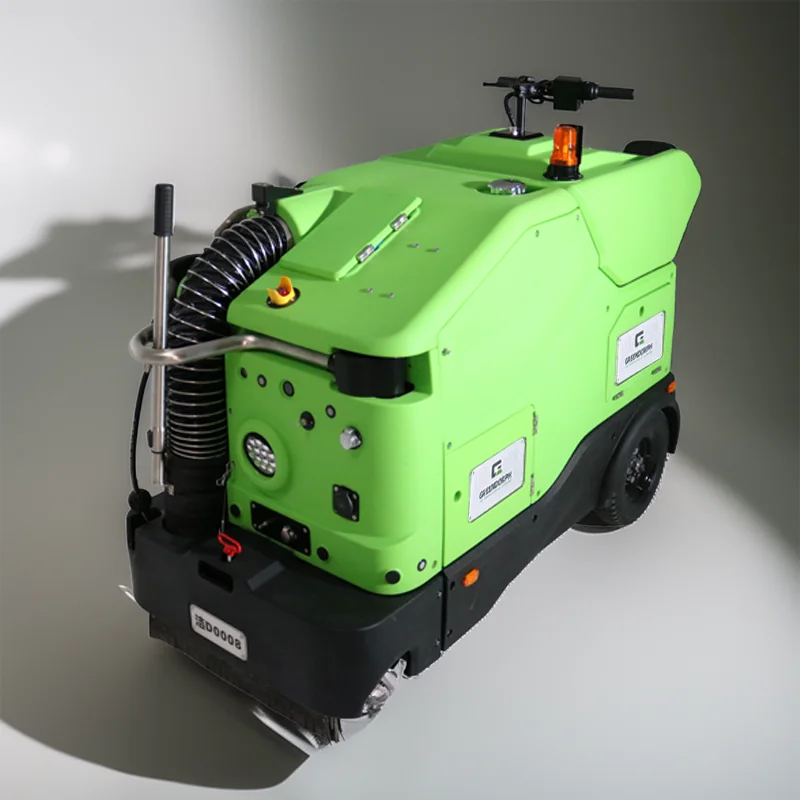
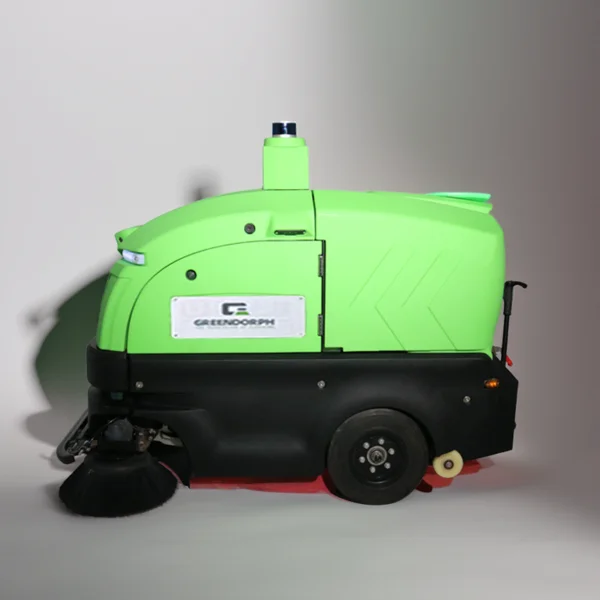
When we deploy industrial automation, the initial excitement of implementation often fades once the equipment integrates into daily workflows. At Greendorph, we know that the true value of hardware lies in its operational longevity and the tangible efficiency gains it provides over time. Simply having an automated system running is not enough; businesses must objectively analyze whether these investments deliver the expected return on efficiency and cleanliness.
Benchmarking Operational Efficiency
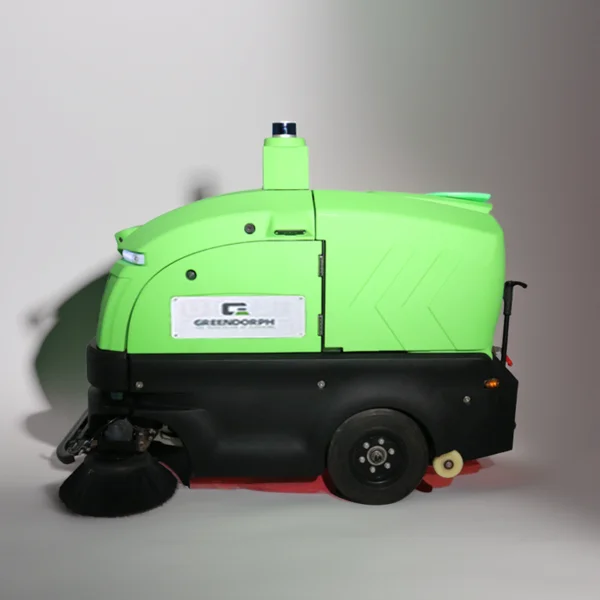
To assess the impact of a robot floor cleaner, we must establish a clear performance baseline before deployment. By measuring the square footage cleaned per hour and comparing it to manual labor outputs, we gain an accurate view of productivity shifts. Many facilities find that automated units provide a consistent standard of hygiene that shifts depending on human fatigue, which is a major variable in traditional cleaning methods. By tracking the time elapsed between charges and the total area covered per cycle, we can optimize routes to ensure the equipment remains productive for the maximum duration possible. We ensure our internal data reflects these granular metrics to maintain high facility standards.
Analyzing Maintenance and Resource Consumption
A critical aspect of long-term deployment is monitoring the consumable costs associated with your auto floor cleaning machine. High-performance hardware requires regular upkeep, including pad replacements, solution refilling, and battery health checks. If an auto floor cleaning machine demands excessive maintenance intervals, it might signal an issue with the surface type or the designated cleaning schedule. We track these resource expenditures closely, as they often reveal hidden costs that impact the overall budget. By comparing the cost of specialized cleaning agents against the square footage maintained, managers can pinpoint waste and adjust settings to strike an ideal balance between resource usage and floor appearance.
Interpreting Data for Fleet Optimization
Effective management requires looking at the technical data provided by your robot floor cleaner to make informed decisions about site layout and obstacle management. Sometimes, the physical environment hinders the equipment, causing the system to backtrack or stall, which affects the total output. When we analyze the mapping data, we look for high-traffic zones where the machine might struggle, allowing us to adjust furniture placement or update cleaning schedules to avoid busy periods. This proactive approach ensures the equipment functions at its peak, reducing wear and tear while extending the lifecycle of the technology. By reviewing these logs regularly, we keep our operations running smoothly and predictably.
Sustaining Long-Term Value
Determining the success of an automated solution requires a move away from anecdotal evidence toward hard, repeatable data. By focusing on maintenance cycles, coverage efficiency, and physical environment adjustments, facilities can ensure their investment remains a solid asset rather than a recurring cost center. We remain committed to this analytical approach at Greendorph, knowing that consistent monitoring is the only way to ensure that floor hygiene remains both scalable and cost-effective for the long haul.