Buying autonomous cleaning equipment is not only a hardware decision. For B2B users, long-term use also depends on the support behind the machine. Buyers should examine planning, setup, training, troubleshooting, software support, and after-sales communication.
The same applies when a buyer is considering a robot floor cleaner for a new site. A capable machine can still create operational problems if mapping, task setup, maintenance, or fault handling is poorly supported. Technical support should therefore be reviewed as part of the purchase rather than as a service added after delivery.
Technical Support Starts Before Delivery
Good support begins during project assessment. Before recommending equipment, a supplier should understand the cleaning area, road conditions, pedestrian flow, surface type, operating hours, and cleaning tasks. These details affect whether a machine suits the actual site.
B2B buyers can ask how site information is collected and how technical questions are handled before ordering. Clear pre-sales discussion shows whether the manufacturer understands deployment conditions or is simply presenting a standard product description.
Support should also cover practical operating limits. Buyers may need information about cleaning width, water use, charging, obstacle sensing, operator involvement, and remote management. Useful answers should be specific enough to support project planning.
At Greendorph, we treat this early technical exchange as part of deployment. It helps our team and the customer confirm how the equipment will be used before daily operation begins.
Deployment Ability Matters at the Working Site
Installation is only one part of bringing a cleaning robot into service. Site mapping, route setting, task configuration, testing, and operator familiarization can all affect how quickly the machine becomes useful.
This is why buyers should ask robot vacuum cleaner manufacturers what happens after delivery. Does the supplier provide mapping guidance? Can tasks be adjusted after site changes? Is there a process for testing routes before formal operation? These questions matter in outdoor and mixed-use environments.
A practical deployment process should explain what staff need to do if a task is interrupted by charging, water refill, waste disposal, or a temporary route blockage. Buyers should understand how work resumes and what action operators need to take.
Training should match staff responsibilities. Operators, supervisors, and maintenance teams may need different instructions. A short product demonstration is not the same as structured deployment support.
Product Complexity Raises the Need for Support
The more functions a machine combines, the more important technical support becomes. Different cleaning modes, sensors, water systems, vacuum systems, and remote controls create more setup and maintenance points.
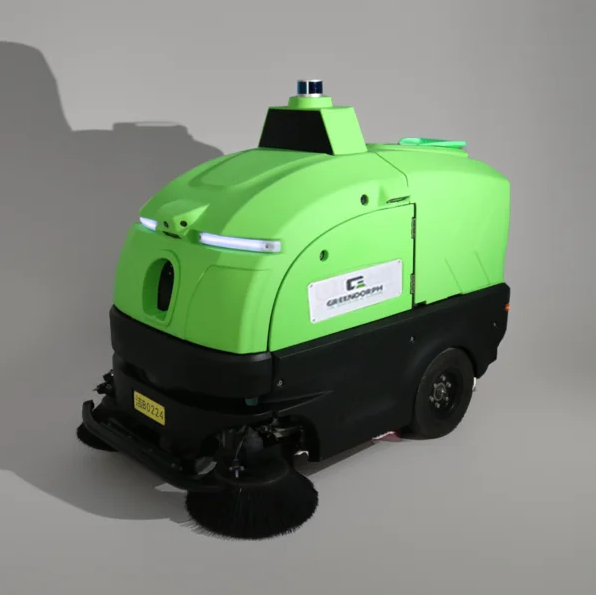
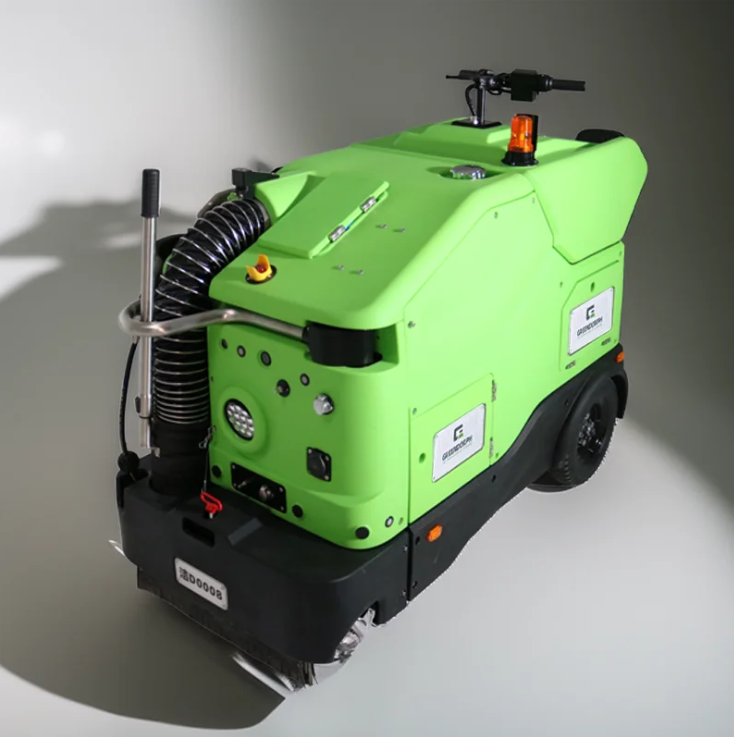
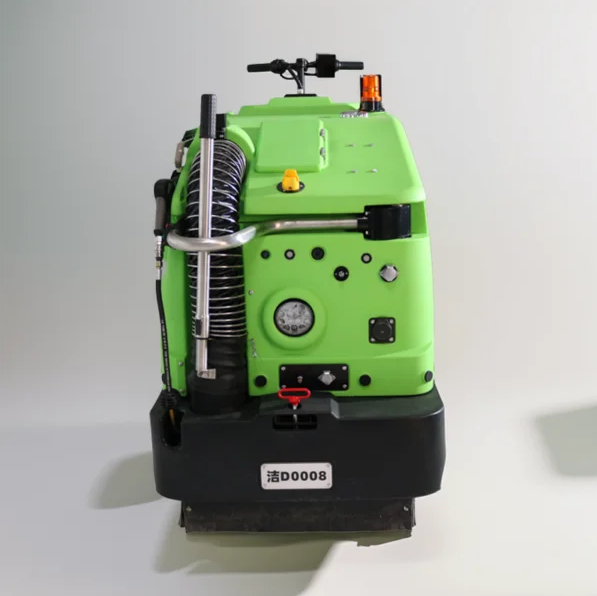
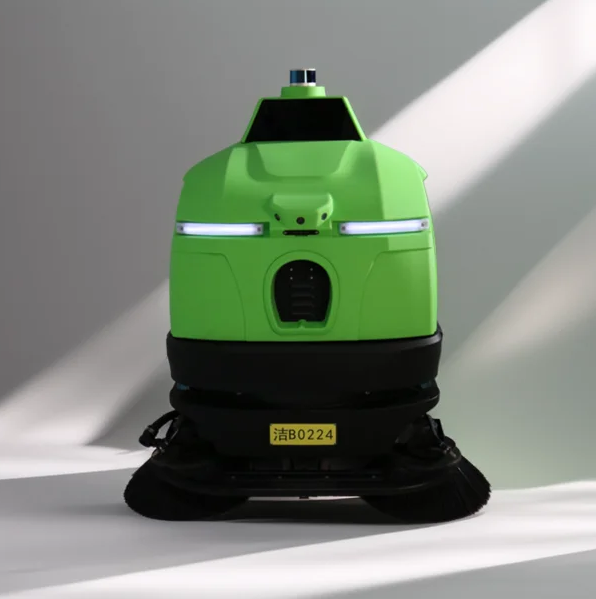
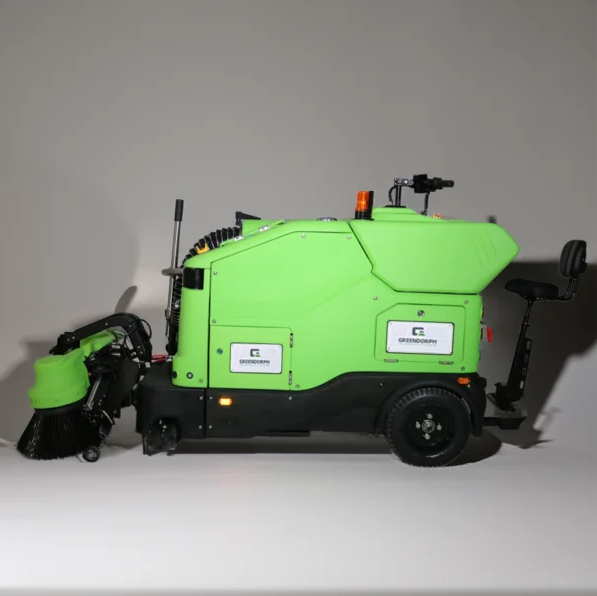
Our Omniclean Urban Street Sweeper YJ80 shows this clearly. It supports manual driving, auto-follow operation, and towed traction, allowing crews to select a working mode according to the cleaning task and site conditions.
The unit combines vacuum collection with high-pressure flushing, water-spray cleaning, turbine blowing, targeted tube collection, and dust-suppression misting. Such a multifunction design can reduce the need for separate tools, but it also makes clear operating guidance important.
For a robot floor cleaner or outdoor sweeper with several functions, support should explain when each mode is suitable, how routine checks are performed, and how operators should respond to abnormal conditions.
Remote Assistance Should Be Easy to Access
Remote support can reduce delays when a machine needs configuration changes or fault diagnosis. Buyers should ask whether the supplier offers a remote platform, mobile access, or tools that help service teams understand what is happening on site.
The YJ80 supports a remote control platform, mobile APP, and cloud platform for remote scheduling and task assignment. This connection can help service teams and customers exchange operational information without relying only on phone descriptions.
Technology is useful only when there is a clear support process behind it. Buyers should ask who receives an alarm, how an issue is escalated, what information must be provided, and whether common problems can be handled remotely.
Documentation matters as well. Operation manuals, maintenance instructions, troubleshooting guidance, and training records can help local teams handle routine issues more consistently, especially when several machines are deployed.
Maintenance Support Should Be Reviewed Early
Maintenance questions should be discussed before purchase rather than after a fault appears. Buyers can ask about routine inspection points, consumable parts, cleaning procedures, battery care, sensor maintenance, and the process for replacing damaged components.
It is also useful to understand support across the product lifecycle. Initial setup matters, but B2B users also need to know what happens later when operators change, routes are updated, or maintenance questions arise.
Response quality is another useful comparison point. Good support is not only about speed. Clear diagnosis, accurate instructions, and practical next steps are often more useful than a quick but incomplete reply.
Technical support requirements are often easier to explain through real project examples. During Interclean Shanghai 2026, taking place from October 28 to 30 at the Shanghai New International Expo Centre, our team will be available to discuss equipment deployment, maintenance planning, and remote troubleshooting with industry visitors. These conversations can help project buyers clarify their support expectations before selecting a cleaning robot supplier.
At Greendorph, we treat support as part of equipment use rather than a one-time handover. For urban cleaning projects, this connects the machine, the operator, and the service process in a practical way.
A Better Basis for Supplier Comparison
Technical support can reveal a great deal about a cleaning equipment supplier. Buyers should compare site assessment, deployment guidance, training, remote assistance, documentation, maintenance support, and fault-handling procedures alongside machine specifications.
A suitable supplier should help customers understand how equipment will fit real cleaning work and how problems will be handled after deployment. This makes technical support a practical evaluation criterion for B2B buyers, especially when cleaning robots are expected to operate regularly across demanding sites.