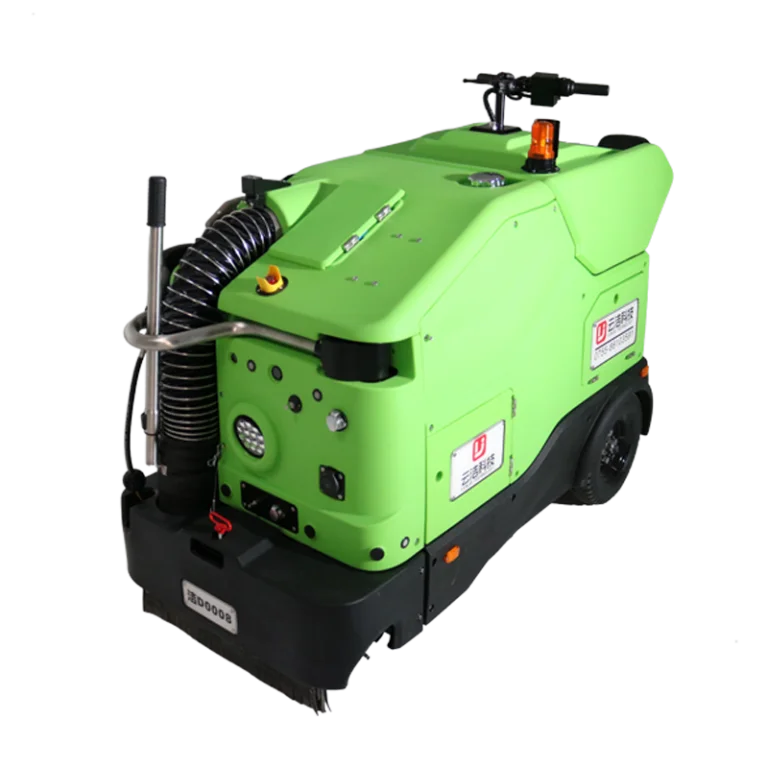
Urban maintenance demands are shifting as municipalities prioritize cleaner public walkways and faster debris removal cycles. When we analyze the current state of sidewalk maintenance, it is clear that hardware efficiency is becoming the primary driver of operational success. At Greendorph, we monitor how public works departments adapt to these changing requirements, ensuring our equipment meets the high-frequency demands of modern city life. By examining the move toward more compact and high-suction systems, we gain a clearer perspective on how cities will manage their infrastructure cleaning in the near future.
Increasing Demand for Compact and Powerful Maintenance Units
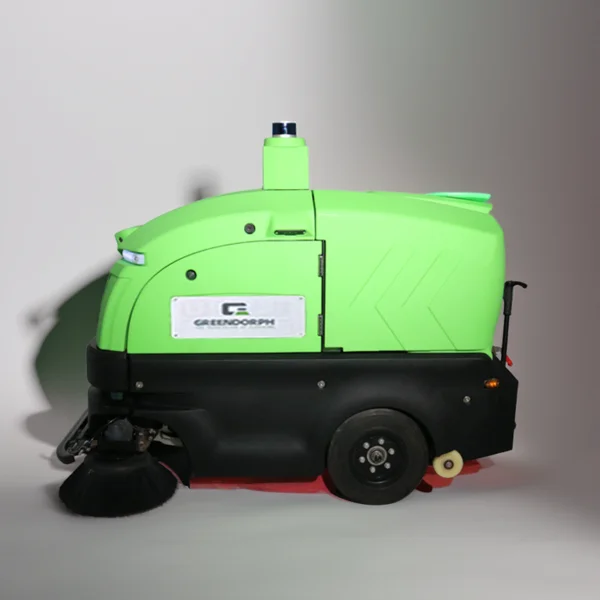
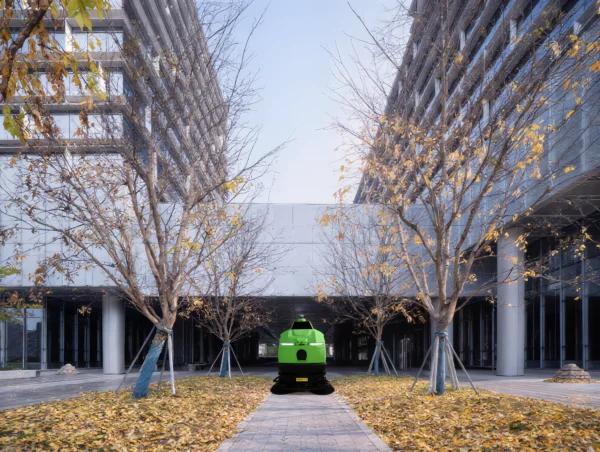
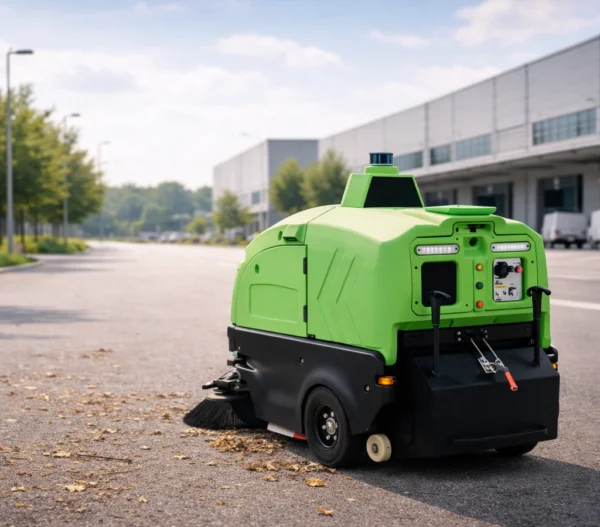
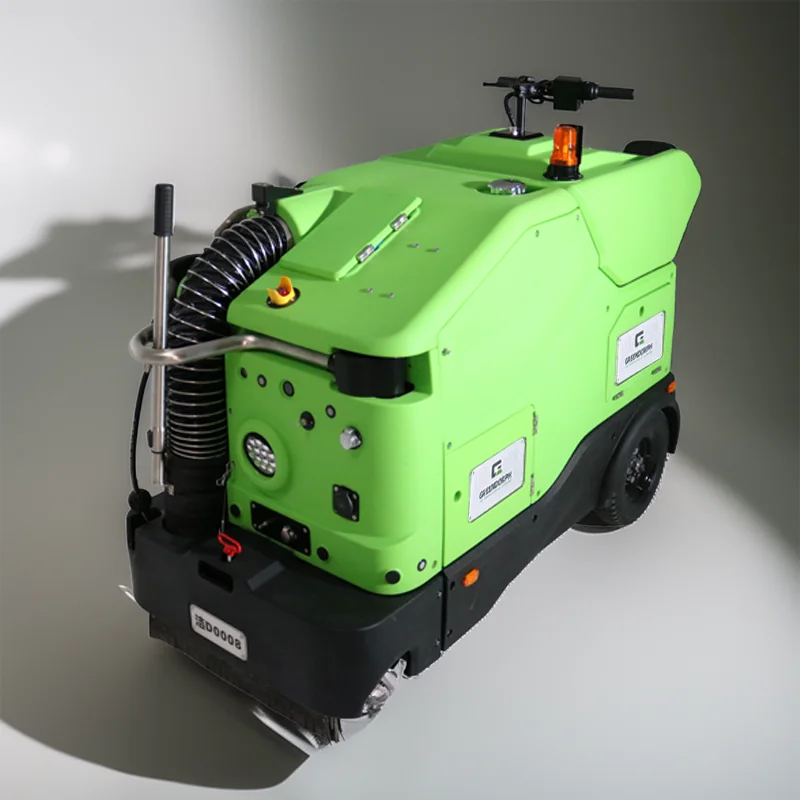
The shift toward smaller, more nimble hardware is fueled by the need for equipment that can effectively clear tight corridors without obstructing pedestrian movement. A high-performance street vacuum offers the agility required to handle complex urban paths while maintaining enough power to extract heavy debris. We observe that public works agencies are increasingly interested in systems that combine a small footprint with industrial-grade suction capabilities. By deploying these units, cities can address sanitation needs in areas that were previously only accessible to manual labor, thereby increasing the total square footage cleaned without increasing headcount.
Advancing Sensor Technology and Autonomous Pathing
The integration of automated logic into each sidewalk vacuum sweeper is fundamentally changing how maintenance crews plan their daily routes. Modern sensors now allow equipment to detect irregularities on a walkway, such as misplaced signage or unexpected construction zones, and adjust the cleaning path in real-time. This level of responsiveness is vital for maintaining uptime in dense environments where the layout changes frequently. At Greendorph, we see these technical upgrades as a move toward greater predictability, as they allow the hardware to handle routine sanitation tasks while the crew focuses on more complex site-specific interventions that require human judgment.
Prioritizing Sustainable Energy and Reduced Noise Profiles
Environmental impact and noise levels are becoming critical factors for cities when assessing new sanitation investments. A modern street vacuum must now balance high suction performance with efficient energy usage to ensure it can operate for an entire shift without needing a mid-day charge. Furthermore, quieter operation is essential for early-morning or late-evening cleaning cycles in residential zones where noise complaints can derail an entire maintenance schedule. We ensure our equipment design at Greendorph reflects these requirements, focusing on power density and acoustic insulation to deliver a product that integrates quietly and sustainably into the urban fabric.
Adapting to Future Urban Sanitation Challenges
The success of your maintenance program depends on your ability to incorporate hardware that is both robust and adaptable to changing city conditions. By focusing on compact power, intelligent pathing, and sustainable design, your fleet can remain effective for years to come. We believe that consistent attention to these specific technical trends allows municipalities to deliver a better quality of life for residents while keeping overhead costs manageable. As the demands of public sanitation continue to shift, staying informed on these hardware developments ensures that every sidewalk vacuum sweeper remains a valuable asset for your community’s maintenance efforts.