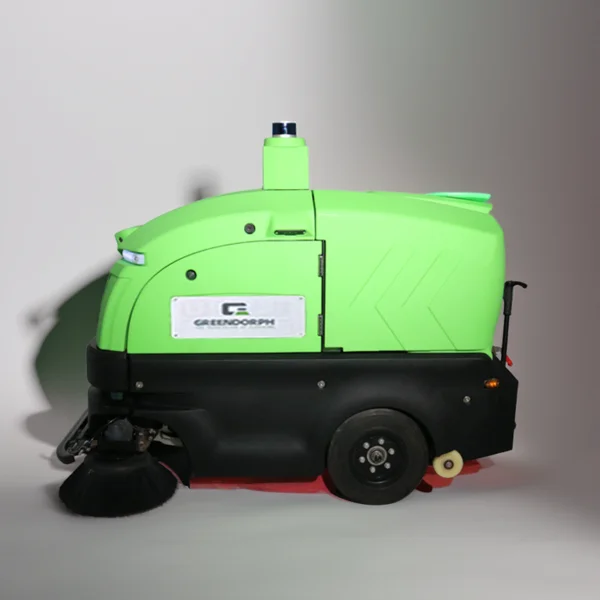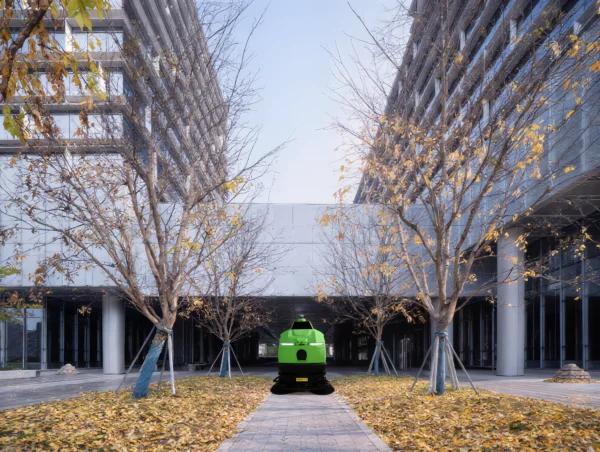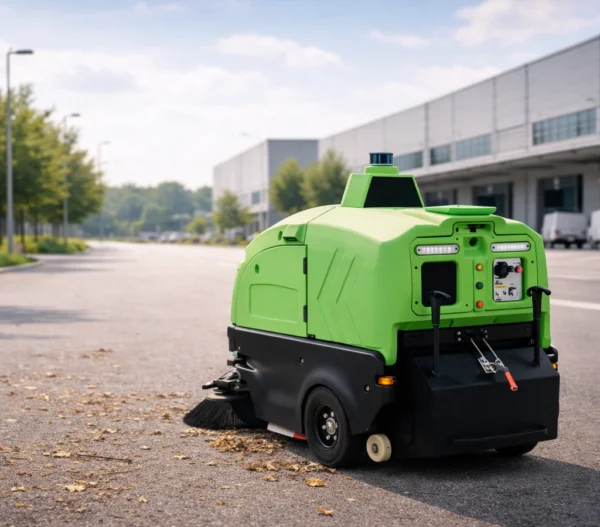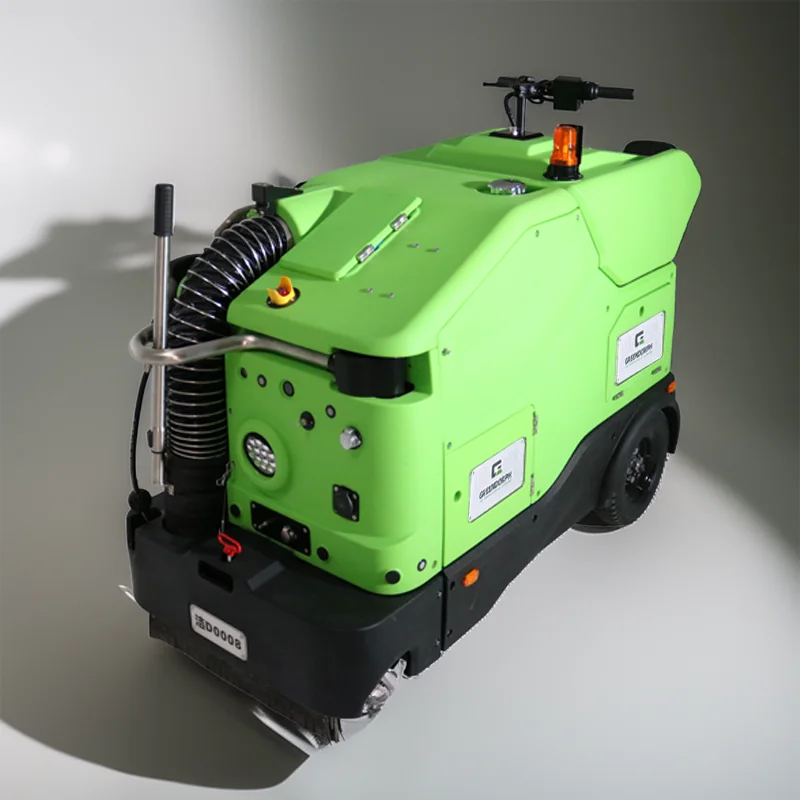
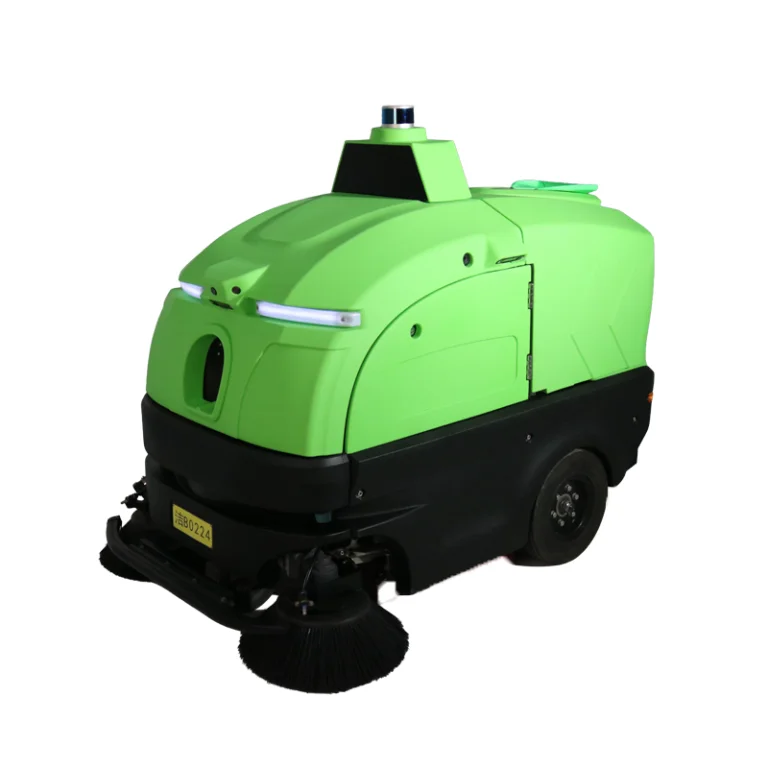
Floor maintenance in large-scale commercial facilities demands precision that traditional equipment often fails to deliver. At Greendorph, we focus on how advanced hardware interacts with dynamic surroundings to provide consistent results. The core of this efficiency lies in how an autonomous cleaning robot processes spatial data to refine its navigation, ensuring every corner receives attention without human intervention.
Intelligent Spatial Mapping and Path Planning
When a unit begins its initial sweep of a facility, it does not simply move at random. The machine utilizes an array of sensors to create a high-fidelity digital map of the area. By identifying static boundaries like walls and furniture, the software constructs a reliable coordinate system. Our team at Greendorph emphasizes that this mapping phase is crucial for operational longevity. A well-constructed map allows the robot floor cleaner to bypass obstacles effectively during its subsequent runs. As it progresses, the system continuously updates its internal model to account for temporary obstructions, ensuring that the autonomous cleaning robot remains efficient even in high-traffic hallways or busy office environments.
Adaptive Learning Through Sensor Fusion
The transition from a blind machine to a truly aware unit happens through the integration of multiple data streams. We see how modern systems utilize LiDAR, depth cameras, and ultrasonic sensors to gain a 360-degree view of their environment. This combination allows for a high level of situational awareness that prevents common navigation errors. At Greendorph, we find that the ability to distinguish between a permanent wall and a temporary box is what defines superior performance. This refined perception helps the robot floor cleaner maintain a consistent cleaning path even when layouts shift throughout the day. By processing these inputs in real-time, the unit avoids redundant maneuvers and saves significant battery life, which directly impacts the return on investment for facility managers.
Refining Performance Through Machine Learning
Beyond physical sensors, the software layer plays a massive role in long-term efficiency. As the unit operates, it logs data regarding time taken, area covered, and energy consumed. We implement sophisticated algorithms that analyze this history to optimize future cleaning routes. By detecting patterns in facility usage, the machine can prioritize areas that experience the most foot traffic. This proactive approach ensures that the autonomous cleaning robot works smarter rather than just longer. Our experience shows that when a fleet is allowed to learn from its specific environment, the need for manual oversight drops drastically, allowing maintenance teams to focus on tasks that require human judgment instead of routine floor care.
Future Outlook for Automated Maintenance
The evolution of these systems remains focused on increasing autonomy while reducing complexity for the end user. As we continue to refine our processes, the goal remains simple: provide reliable, consistent, and invisible maintenance solutions for complex commercial spaces. The robot floor cleaner and the autonomous cleaning robot will eventually become standard components of facility management, much like HVAC systems or modern security setups. We remain committed to ensuring these machines handle the heavy lifting of floor sanitation with absolute reliability. As technology advances, the synergy between hardware and sophisticated software will only strengthen, making large-scale maintenance more predictable and efficient for every client we serve.