Outdoor spaces in public facilities, industrial areas, and campuses require regular maintenance to keep pathways, open areas, and shared zones clean. Traditional cleaning methods often depend on manual work and fixed schedules, which can become difficult when areas are large or require frequent attention.
With advances in automation, cleaning equipment is becoming more adaptable to different environments. A modern outdoor robot cleaner can help maintenance teams handle routine tasks with more consistent processes while allowing staff to focus on other operational duties.
The Role of Automation in Outdoor Facility Care
Facility maintenance teams manage many outdoor areas, including walkways, parking spaces, parks, and industrial campuses. These locations often collect dust, leaves, and small debris from daily activities. Regular cleaning requires suitable equipment that can match the size and conditions of each site.
Automation changes the way teams organize outdoor sanitation tasks. Instead of relying only on manual operation, maintenance managers can use robotic equipment to complete repeated cleaning routes. This approach helps create clearer work plans and reduces the time spent on routine sweeping activities.
An outdoor cleaning robot can combine navigation functions with cleaning systems to move through planned areas. For facility operators, this type of equipment can provide a practical option for managing regular cleaning needs while keeping human resources available for other tasks.
Key Functions That Improve Cleaning Operations
Outdoor cleaning equipment needs to work with different surfaces and environmental conditions. Dust removal, debris collection, and moisture control are important factors when selecting equipment for outdoor areas. The cleaning system design affects how well the machine handles daily maintenance work.
Our company, Greendorph, develops robotic cleaning solutions for outdoor environments where efficient operation and practical management are important. We focus on equipment design that combines cleaning functions with autonomous operation, helping business customers review new approaches to facility maintenance.
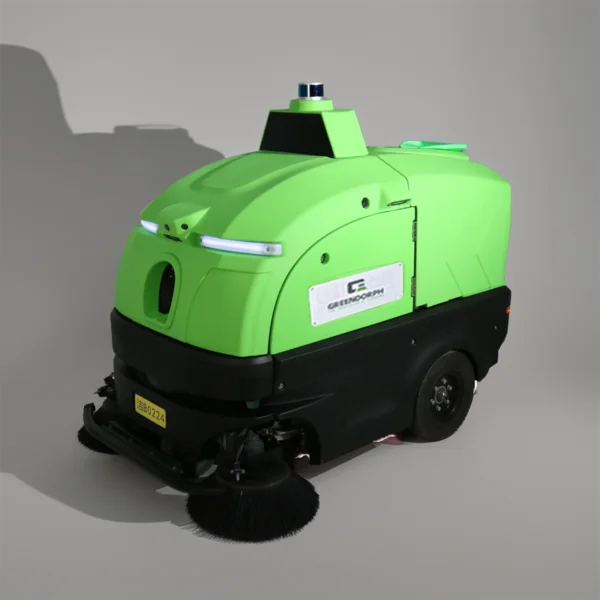
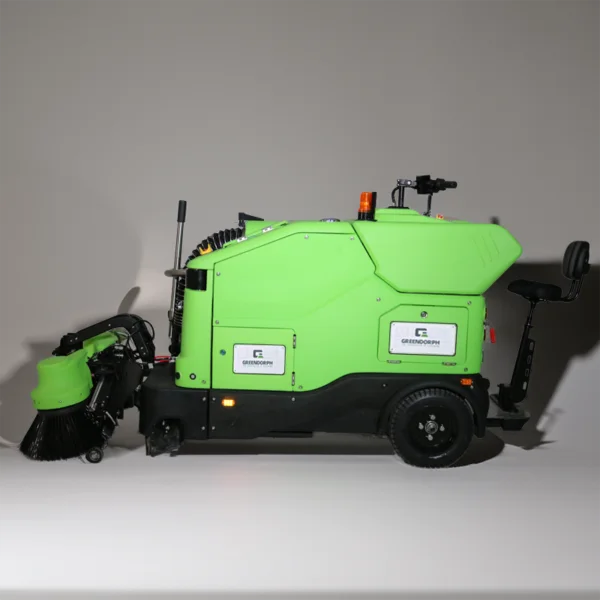
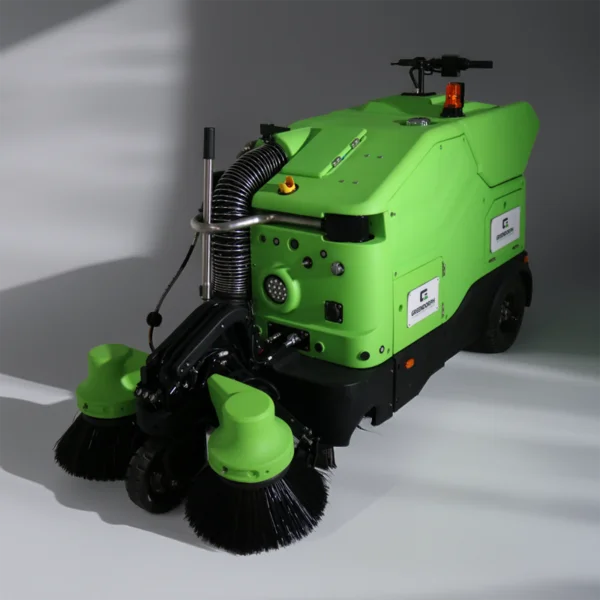
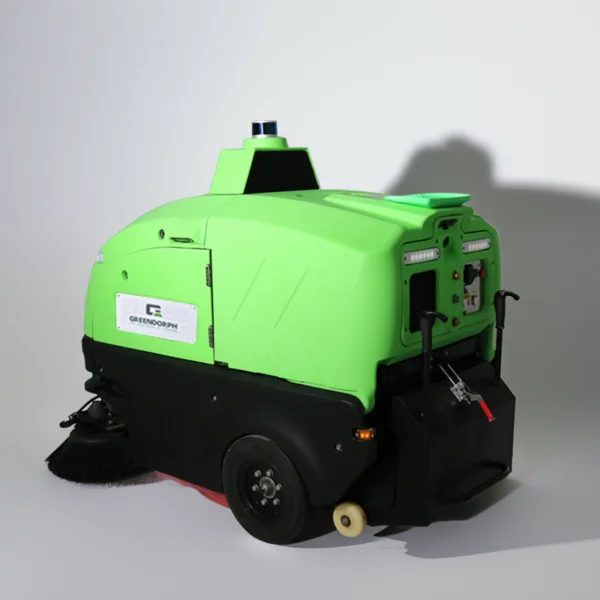
The Auto Sweeper YJ130 is designed as an autonomous outdoor sweeper with a primary cleaning system and three auxiliary functions: suction, airflow-assist, and misting spray. It can operate continuously for 6-8 hours and is designed for large-area outdoor sanitation in parks, industrial campuses, sidewalks, schools, and similar environments.
Improving Maintenance Through Data and Planning
Modern facility management requires more than cleaning equipment alone. Teams also need to consider route planning, operating periods, maintenance schedules, and site conditions. Robotic equipment can become part of a wider maintenance plan when its functions match the needs of a specific location.
For large outdoor areas, automated cleaning can help reduce repeated manual procedures. Managers can review cleaning requirements and arrange equipment use based on traffic patterns, environmental changes, and operational priorities. This creates a clearer connection between daily maintenance work and facility management goals.
The use of robotic systems also changes staff responsibilities. Workers can spend more time on inspection, equipment checks, and tasks that require human judgment. The machine handles regular sweeping activities, while teams continue to manage overall site conditions.
Applications Across Different Outdoor Environments
Different facilities have different cleaning requirements. Parks may need regular removal of leaves and dust, while industrial campuses may require consistent cleaning of open spaces and transportation areas. Schools and sidewalks also need equipment that can operate in public environments with changing conditions.
The Auto Sweeper YJ130 supports various outdoor scenarios through its cleaning functions and operating design. Its combination of sweeping, suction, airflow-assist, and misting spray allows it to address several common outdoor cleaning needs. This makes it suitable for organizations evaluating automated solutions for multiple site types.
As demand for smarter maintenance grows, more facility operators are considering robotic options. An outdoor robot cleaner can become part of a structured cleaning process when businesses evaluate factors such as area size, cleaning frequency, and equipment functions before deployment.
Creating More Flexible Maintenance Processes
Automation does not replace the need for effective maintenance planning. Instead, it provides another tool for organizations that want to improve how cleaning tasks are arranged. The right equipment selection depends on site conditions, operating goals, and the type of debris that needs to be managed.
Before adopting automated equipment, facility managers can review cleaning routes, surface types, and daily workload requirements. This evaluation helps identify whether an outdoor cleaning robot fits the working environment and how it can be included in existing maintenance routines. Through proper planning, robotic systems can work alongside facility teams and provide a reliable method for repeated outdoor cleaning activities.
At Greendorph, we provide robotic cleaning equipment designed around outdoor maintenance requirements. Our solutions focus on practical applications, including large-area cleaning scenarios and automated operation. Customers can communicate their site conditions and requirements with our team to explore suitable equipment options.
Moving Toward Smarter Outdoor Maintenance
Outdoor facility maintenance is changing as automation becomes part of daily operations. Robotic cleaning equipment can help organizations manage repeated tasks with a more organized approach while supporting efficient use of labor resources.
By combining autonomous functions with targeted cleaning technologies, solutions such as the Auto Sweeper YJ130 offer a new way to handle outdoor sanitation. Businesses can evaluate their environments, identify suitable applications, and plan maintenance systems that fit their operational needs.