Outdoor cleaning is difficult to keep consistent because road width, dust level, pedestrian flow, weather, and surface type can change from one area to another. Manual teams may work with different speeds and habits, so results often vary between shifts. An outdoor robot cleaner can help standardize routine work by following fixed routes, using repeatable cleaning actions, and reducing differences caused by changing labor conditions.
For facility managers, the value of consistency is not only visual appearance. It also affects labor planning, inspection, route coverage, and maintenance scheduling. At Greendorph, we look at outdoor sweeping as a process that should be measurable, repeatable, and easier to manage across large areas.
Why Consistency Matters in Outdoor Cleaning
Outdoor spaces collect more than visible litter. Fine dust, leaves, small debris, and particles can gather along curbs, around benches, near entrances, and beside walls. If cleaning quality changes from one shift to another, these areas can become repeated problem points.
Consistent cleaning also helps managers compare performance over time. When routes, working hours, and operating methods remain stable, teams can review whether a site is being cleaned at the planned frequency. This makes it easier to identify areas that need route changes or additional attention.
For B2B users, this matters in parks, schools, industrial campuses, sidewalks, and public facilities. These sites often cover large areas and contain different traffic patterns. Stable cleaning procedures can reduce missed sections and make daily supervision more practical.
How Automated Sweepers Reduce Variation
Traditional sweeping often depends on operator experience. One worker may drive faster, another may spend more time near edges, and a third may change the route according to personal judgment. These differences can affect final cleaning results.
An outdoor power sweeper with autonomous operation can reduce this variation by following preset tasks. Route planning, speed control, and cleaning functions can be repeated according to the same working logic. This creates a more stable process for routine sanitation work.
Automation also helps when the work area is too large for one person to supervise directly. Managers can focus on task setup, exception handling, and result checks instead of controlling every movement of the machine. This changes cleaning from a mainly manual activity into a more structured operating process.
Cleaning Quality Depends on More Than Sweeping Width
A wide cleaning path can improve coverage, but width alone does not explain cleaning quality. Dust control, suction, airflow, water use, obstacle handling, route accuracy, and working time all affect the result.
Surface conditions also matter. Smooth pavement, rough concrete, curbs, narrow walkways, and open plazas require different movement patterns. A machine that can combine several cleaning functions may handle these changes with fewer manual adjustments.
This is why an outdoor robot cleaner should be evaluated as a complete cleaning system rather than as a single brush or vacuum unit. Buyers should review how the machine moves, how it handles dust, how long it can work, and whether its functions match the target site.
YJ130 for Large Outdoor Sanitation Areas
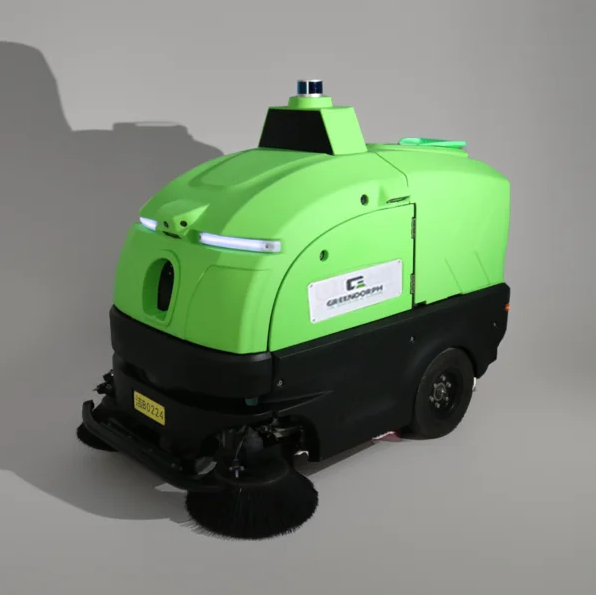
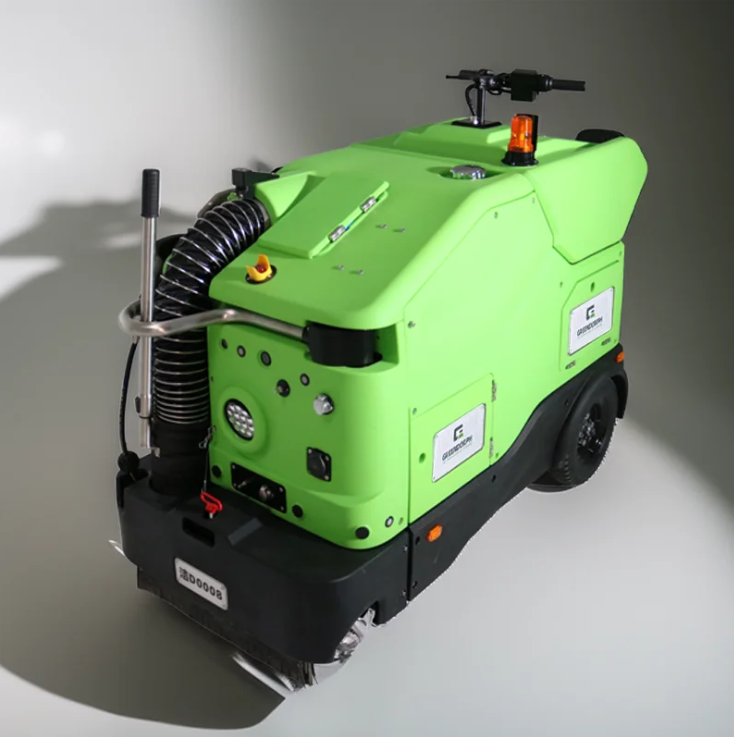
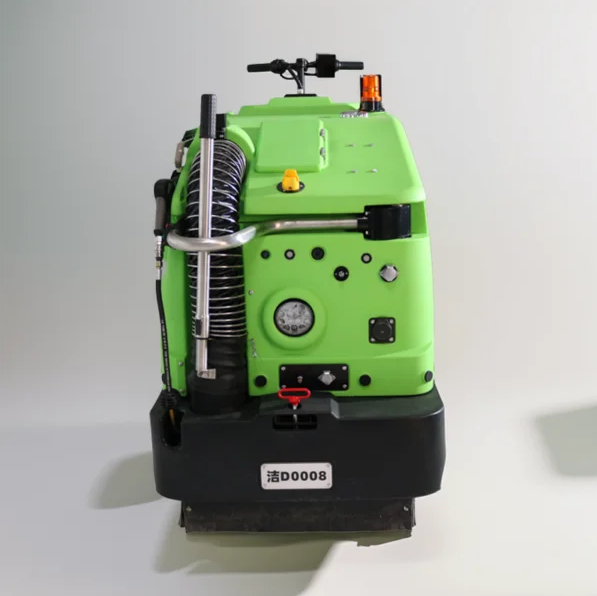
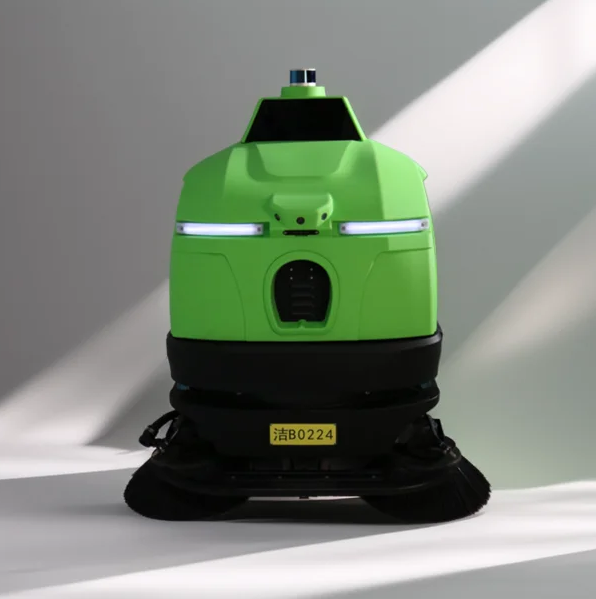
The Auto Sweeper YJ130 is designed for fully autonomous outdoor cleaning. Its primary cleaning system is supported by three auxiliary functions: suction, airflow-assist, and misting spray. This combination allows the machine to handle different types of outdoor debris while also helping control airborne dust during operation.
The model delivers more than 95% cleaning efficiency and can operate continuously for 6–8 hours. These specifications make it suitable for large outdoor sanitation areas where long working periods and repeated route coverage are important.
Typical applications include parks, industrial campuses, sidewalks, schools, and similar environments. In these locations, the machine can support routine sweeping without requiring constant manual driving. The goal is not to remove all human involvement, but to reduce repetitive operating work and keep daily cleaning more consistent.
Our approach at Greendorph is to match autonomous cleaning functions with practical site conditions. For B2B projects, we consider area size, route layout, surface type, expected debris, and operating schedule before deciding how a machine should be deployed.
Site Planning Still Determines the Final Result
Even a capable machine needs a suitable operating plan. Managers should divide the site into practical zones, define working periods, and identify entrances, narrow sections, slopes, curbs, and busy pedestrian areas before deployment.
Cleaning frequency should also match the site. A school may need more work around entrances and walkways at certain times. An industrial campus may need repeated sweeping near loading areas. Parks may have seasonal changes in leaves, dust, and visitor flow.
An outdoor power sweeper can support stable execution, but the task plan still needs regular review. Route changes, construction, temporary obstacles, or new traffic patterns can affect how the machine should work. Periodic adjustment helps keep the cleaning process aligned with real site conditions.
A More Repeatable Way to Manage Outdoor Cleaning
Outdoor vacuum sweepers improve cleaning consistency by making routes, working patterns, and cleaning functions more repeatable. They can reduce variation between operators and help managers organize large sanitation areas with clearer procedures.
For B2B users, the main value comes from combining suitable equipment with practical planning. When route design, working time, dust control, and site conditions are considered together, autonomous sweeping can become a more stable part of daily facility management.