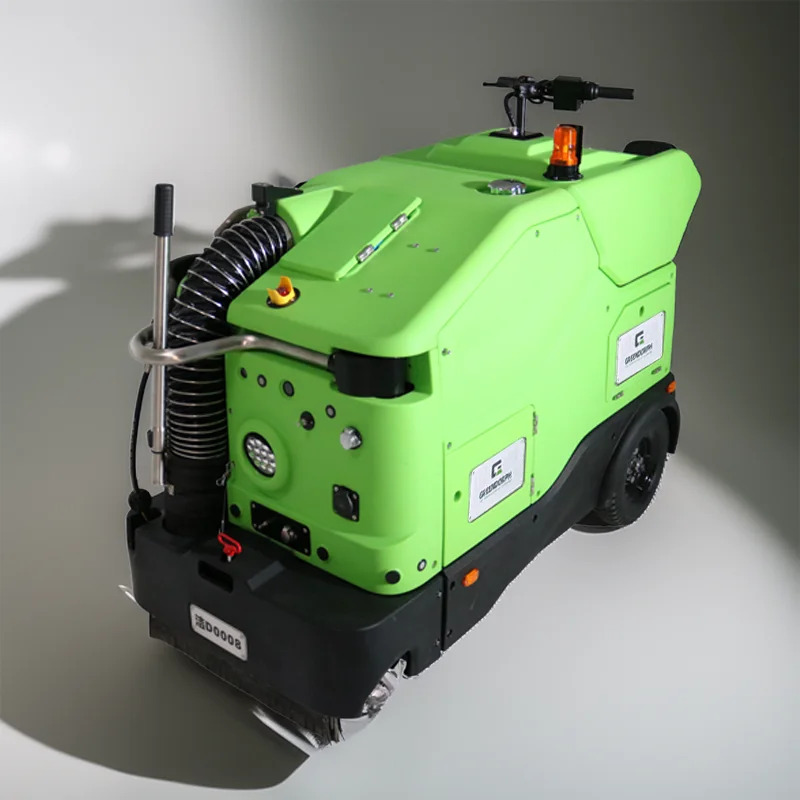
Fine dust and small debris are common challenges in outdoor cleaning. Unlike large waste, tiny particles can easily spread into the air or remain in surface gaps. Road cleaning equipment needs to collect these materials effectively while reducing dust movement during operation. Understanding how a road vacuum cleaner machine works can help operators select suitable solutions for different environments.
Modern cleaning equipment combines suction, airflow control, and surface treatment functions to improve cleaning results. From sidewalks to public spaces, the working principle behind these machines determines how they handle daily dust and debris.
How Suction Technology Collects Fine Dust
Fine dust requires a different cleaning approach compared with larger waste. Small particles can become suspended in the air when disturbed by brushes or vehicle movement. A strong suction system helps capture these particles directly from the surface and transfer them into the collection area.
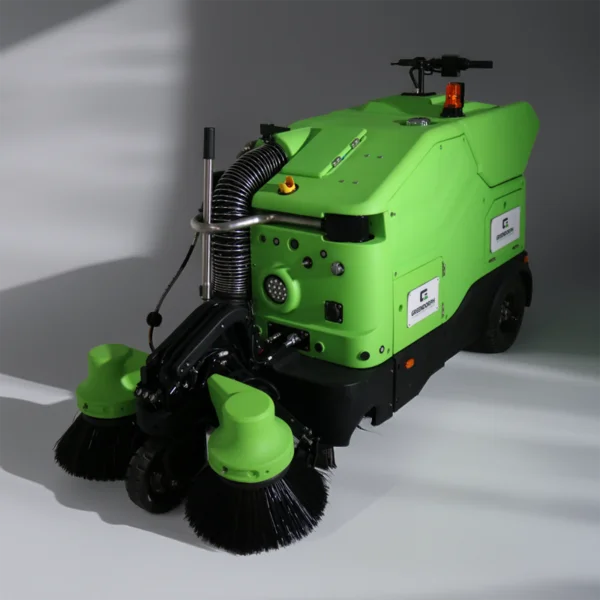
A street vacuum works by creating airflow through a suction system. When negative pressure is generated, air carrying dust and debris moves through the collection path. The design of the suction opening and airflow speed affects how efficiently different materials can be collected.
The cleaning process is not only about removing visible waste. Dust control is also important because uncontrolled particles may return to the surrounding environment. Water misting and airflow management can work together with suction to improve the overall cleaning process.
The Role of Negative Pressure in Debris Removal
Negative-pressure technology is an important part of many modern cleaning machines. It creates a controlled airflow direction, allowing dust, sand, leaves, and other debris to move from the ground into the storage system.
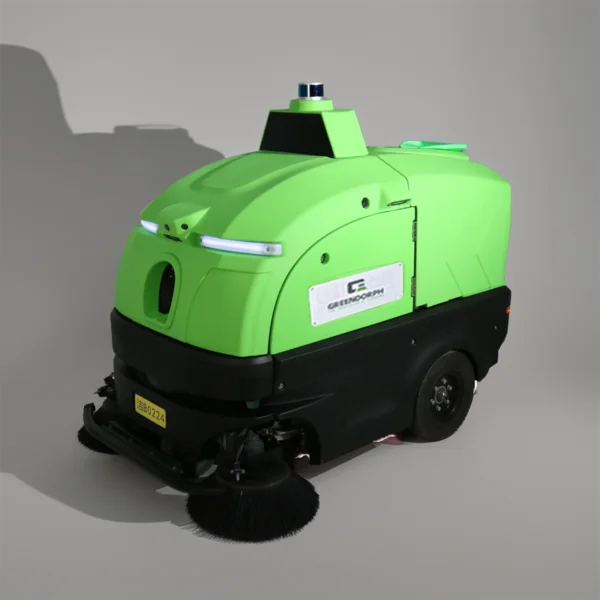
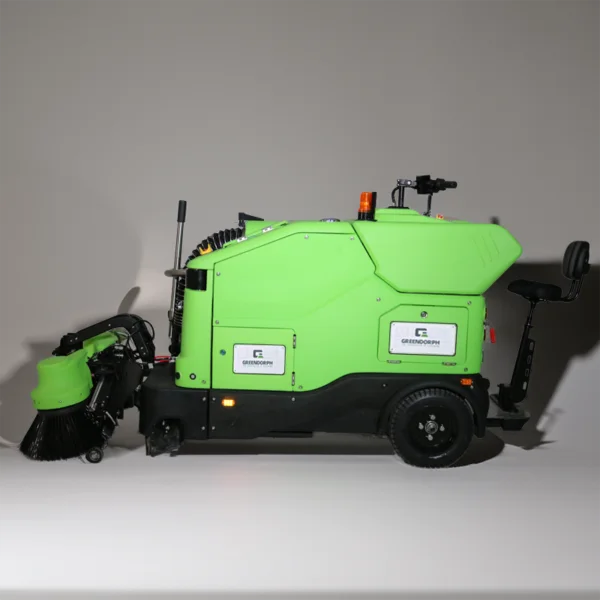
The YJ80 Vacuum Street Sweeper uses a high-performance negative-pressure suction system to handle urban cleaning tasks. Its design combines targeted vacuum-tube collection, intelligent dust-suppression misting, turbine-speed airflow blowing, water-spray cleaning, and high-pressure surface flushing. These functions allow different cleaning steps to work together in one machine.
For professional users, this type of integrated structure can simplify equipment management. Instead of using separate machines for different cleaning actions, operators can complete several tasks through one system based on site requirements.
Combining Suction with Dust Control Functions
Removing debris is only one part of outdoor cleaning. Fine particles may rise during operation if the equipment does not control dust movement. A combination of suction and dust suppression helps create a cleaner working process.
A vacuum street sweeper can use water-based methods to reduce airborne dust while collecting surface waste. The misting function helps control small particles, while suction continues moving debris into the collection system.
The YJ80 is designed with multiple cleaning functions that work together during operation. The water-spray cleaning and high-pressure surface flushing functions help deal with different surface conditions, while the airflow system assists in collecting remaining dust and debris.
This combination is useful for areas where cleanliness requirements are higher, such as pedestrian zones, parking structures, and outdoor public spaces. Different functions can be adjusted according to the cleaning environment.
Adapting to Different Cleaning Environments
Outdoor areas often include narrow paths, corners, and spaces with obstacles. A cleaning machine needs suitable mobility to reach these areas without affecting cleaning performance.
The compact structure of the YJ80 helps it operate in tight spaces. Its sensor-fusion obstacle avoidance system supports movement around sidewalks, pedestrian plazas, and medium-sized outdoor areas. These features allow operators to manage different site layouts more easily.
When selecting a street vacuum, users should consider more than suction power. Machine size, movement control, and operating methods also influence daily cleaning efficiency. Equipment that matches the working environment can reduce difficulties during operation.
The YJ80 provides three control modes, including manual ride-on, auto-following, and towed traction. These options allow users to choose a suitable working method according to different cleaning workflows.
Considering Electric Operation and Daily Maintenance
Energy use and maintenance are also important factors for outdoor cleaning equipment. Electric machines can be considered for environments where operating noise and emissions are important concerns.
The YJ80 is a fully electric model that can operate for up to 8 hours per charge. It does not produce CO₂ emissions during operation and uses no hydraulic circuits, which reduces the need for hydraulic system maintenance.
At Greendorph, we develop cleaning equipment based on practical application needs. We consider factors such as working conditions, operation methods, and maintenance requirements when designing solutions for professional users.
A road vacuum cleaner machine should match the actual conditions of the cleaning area. Suction capability, dust control functions, mobility, and energy design all influence whether the equipment can complete daily tasks effectively.
Building Better Outdoor Cleaning Workflows
Cleaning roads and public areas requires attention to both visible debris and fine particles. A machine that combines suction, airflow control, and surface cleaning functions can provide a more complete approach to outdoor maintenance.
A vacuum street sweeper helps operators handle different types of waste through coordinated cleaning technologies. By understanding how these systems work, users can make clearer decisions when planning equipment for sidewalks, plazas, and other outdoor areas.
Greendorph continues to develop cleaning solutions that focus on practical operation and changing environmental needs. Through technologies such as negative-pressure suction, dust suppression, and flexible control modes, we provide equipment options for professional cleaning applications.