Dust control is an important part of outdoor cleaning because fine particles can easily remain on roads, sidewalks, and public areas after regular sweeping. For municipalities, property operators, and facility management teams, effective cleaning requires more than moving visible debris. Equipment needs to collect dust while reducing the chance of particles becoming airborne again.
Vacuum-based cleaning systems improve this process by combining suction, collection, and dust suppression functions. Understanding how this equipment works helps professional users develop more suitable cleaning plans for different outdoor environments.
How Vacuum Suction Helps Capture Fine Dust
Traditional sweeping methods mainly rely on brushes to move dirt and debris. However, fine dust particles may remain on the surface or become scattered during operation. Vacuum suction creates airflow that helps pull smaller particles into the collection system instead of leaving them behind.
A well-designed street vacuum uses controlled suction power to improve dust collection during daily cleaning tasks. The efficiency of this process depends on airflow structure, collection capacity, and how well the machine works with different surface conditions.
Negative-pressure technology is an important part of modern vacuum cleaning equipment. By creating a pressure difference, the system draws dust and waste through the suction path and transfers them into a storage area for later disposal.
This approach is useful in areas where dust accumulation happens regularly, such as sidewalks, parking areas, and outdoor public spaces. It allows operators to manage surface cleanliness with fewer repeated cleaning steps.
The Role of Dust Suppression in Cleaning Performance
Collecting dust is only one part of outdoor cleaning. During sweeping operations, fine particles may rise from the ground if there is no suitable suppression method. Water misting and spraying functions can help reduce this situation by adding moisture during cleaning.
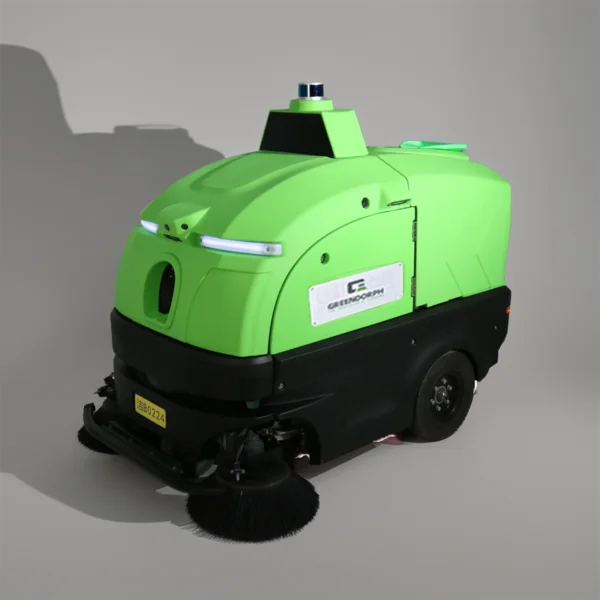
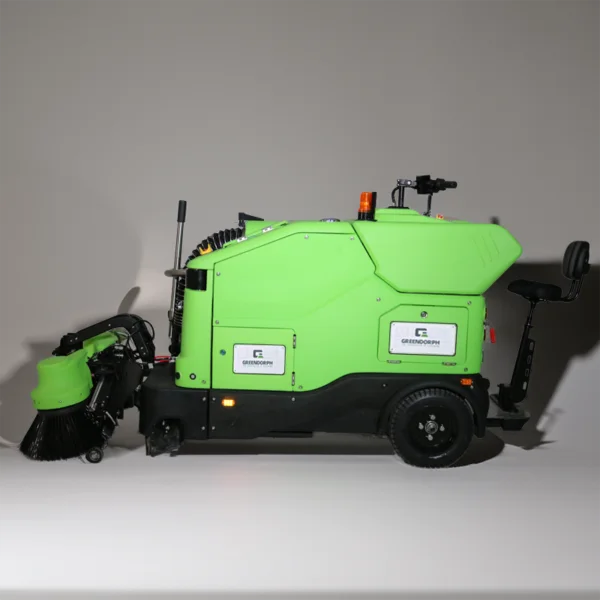
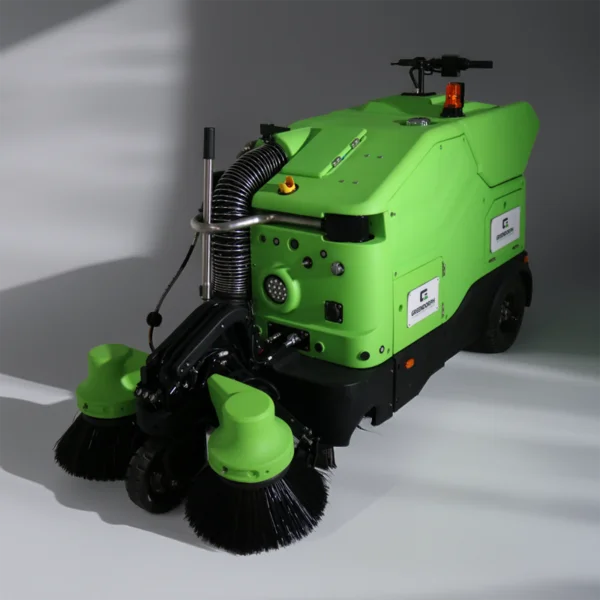
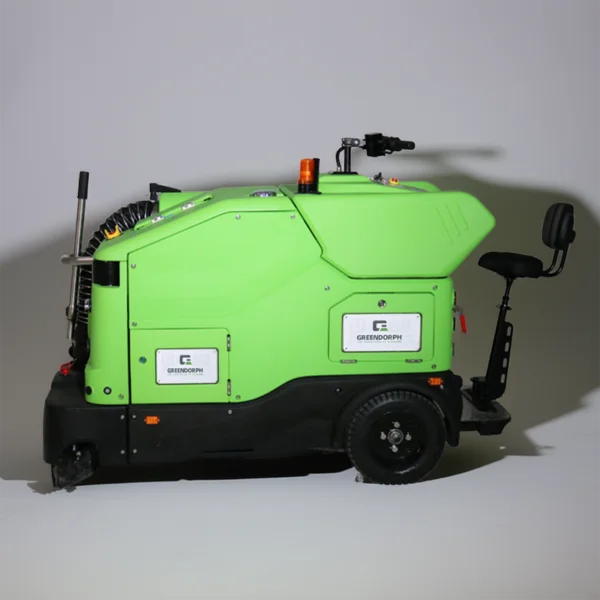
The YJ80 Vacuum Street Sweeper developed by Greendorph uses a high-performance negative-pressure suction system with multiple cleaning functions. These include targeted vacuum-tube collection, intelligent dust-suppression misting, turbine-speed airflow blowing, water-spray cleaning, and high-pressure surface flushing.
These integrated functions allow the machine to handle different cleaning steps within one workflow. The combination of suction and dust suppression helps improve cleaning consistency while reducing the need for separate machines in certain applications.
For outdoor environments with frequent dust challenges, a road sweeper vacuum can provide a more organized cleaning method. It combines waste collection and surface treatment functions to support routine maintenance tasks across different areas.
Why Equipment Mobility Matters for Dust Management
Outdoor cleaning areas often include different layouts and obstacles. Narrow sidewalks, pedestrian zones, and parking structures may require equipment that can move easily without affecting cleaning performance. Changing weather conditions, surface materials, and visitor flow can also influence daily cleaning arrangements.
Compact equipment design can improve access to spaces where larger machines may have difficulty operating. Good maneuverability allows operators to maintain more areas within the same working schedule.
The YJ80 features a compact footprint and sensor-fusion obstacle avoidance. These functions help the machine move through tighter spaces, including pedestrian plazas and mid-sized outdoor areas where flexible operation is needed.
A suitable cleaning machine should not only collect dust effectively but also adapt to real working environments. Mobility affects how consistently operators can complete cleaning routes and respond to different site conditions.
Flexible Operation Supports Different Cleaning Needs
Different cleaning projects may require different operation methods. Some areas need direct operator control, while others may benefit from assisted movement options to improve workflow.
The YJ80 provides three control modes: manual ride-on, auto-following, and towed traction. These options allow users to select a suitable operating method based on route planning and cleaning requirements.
As a professional cleaning equipment provider, Greendorph focuses on developing solutions that match practical outdoor maintenance needs. Our equipment design considers factors such as operation convenience, cleaning functions, and application environments.
For users evaluating a road sweeper vacuum, flexible controls can help improve daily task arrangements. Different sites may have different layouts, so adaptable operation methods can make cleaning processes easier to organize.
Creating Better Dust Control Through Integrated Solutions
Effective dust control depends on the combination of suction performance, suppression methods, and equipment adaptability. A single cleaning function may not address every challenge in outdoor environments.
Electric operation is also becoming a consideration for some cleaning applications. The YJ80 is a fully electric machine that operates near-silently for up to 8 hours per charge. It produces no CO₂ emissions during operation and does not require hydraulic circuits for maintenance.
By combining vacuum collection, dust suppression, and flexible movement, modern cleaning equipment provides a practical approach to outdoor maintenance. Professional users can review their site conditions and cleaning goals to determine suitable equipment configurations.
A complete dust control plan should consider surface types, cleaning frequency, and operating environments. With suitable street vacuum technology, operators can improve cleaning routines and maintain cleaner outdoor spaces through more efficient daily processes.