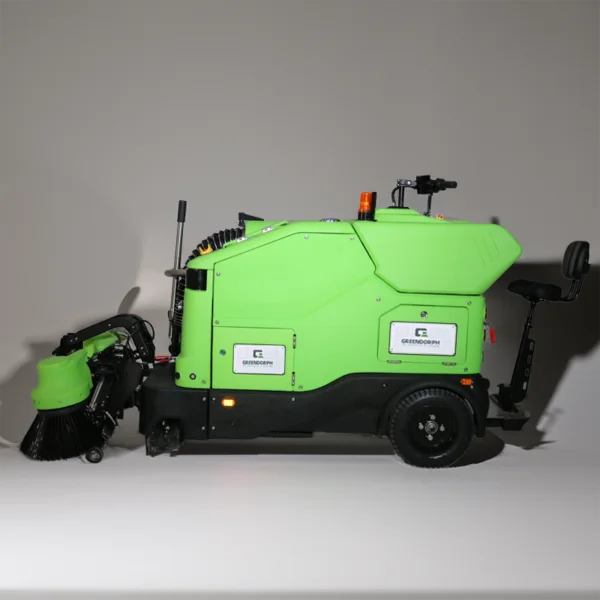
Different floor types create different cleaning requirements. Outdoor roads, pedestrian areas, parking structures, and industrial spaces may have different levels of dust, leaves, sand, and small waste. Choosing suitable cleaning equipment requires a clear understanding of surface conditions, working space, and daily operation needs.
A practical comparison should focus on cleaning methods, maneuverability, runtime, and maintenance needs. By reviewing these factors, operators can select machines that match their environments instead of relying only on equipment size or appearance.
Understanding Floor Conditions Before Choosing Equipment
The first step is to identify the type of surface that needs regular cleaning. Smooth concrete floors usually require stable sweeping performance, while outdoor areas may need stronger dust control because of wind, vehicle movement, and changing weather conditions.
For sidewalks and pedestrian plazas, equipment size is an important factor. Narrow paths and crowded areas require machines that can move through limited spaces while maintaining cleaning coverage. Larger open areas may place more focus on efficiency and operating time.
Surface debris also affects equipment selection. Fine dust, leaves, and small particles may require different cleaning functions. A machine with sweeping, suction, and dust-control features can handle various types of waste during routine cleaning tasks.
When comparing a ride on sweeper, buyers should review the relationship between cleaning width, movement flexibility, and the actual site layout. A suitable design can help operators complete daily tasks with fewer adjustments.
Comparing Cleaning Functions and Operation Methods
Cleaning functions directly influence how equipment performs in different environments. Traditional sweeping methods may require several separate tools, while integrated systems can combine multiple processes in one workflow.
A modern machine may include features such as brush sweeping, water spraying, vacuum collection, and dust suppression. These functions help reduce airborne particles and improve cleaning consistency during outdoor operations.
At this stage, operators can also compare control methods. Manual operation provides direct handling, while assisted modes may reduce operator workload in specific situations. The choice depends on the working area, cleaning frequency, and staff requirements.
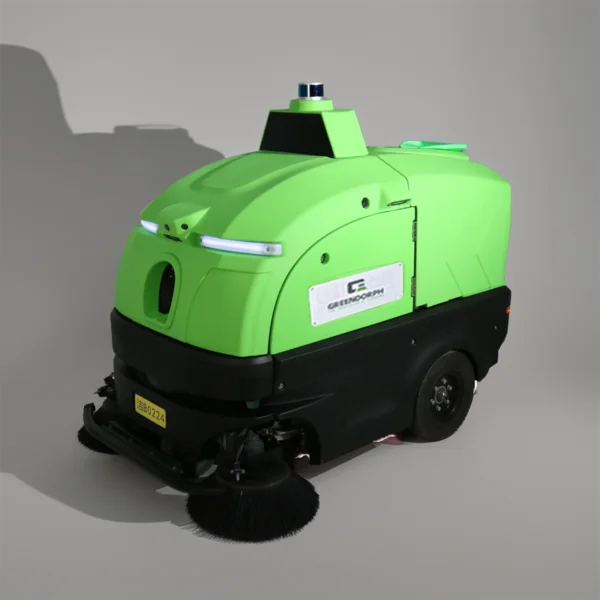
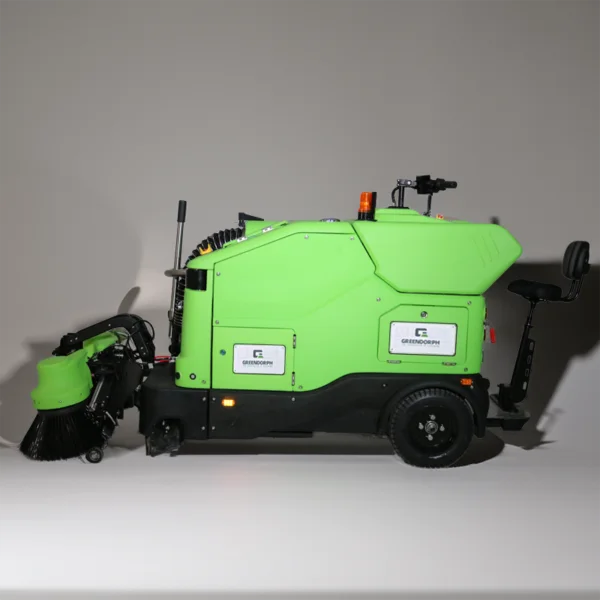
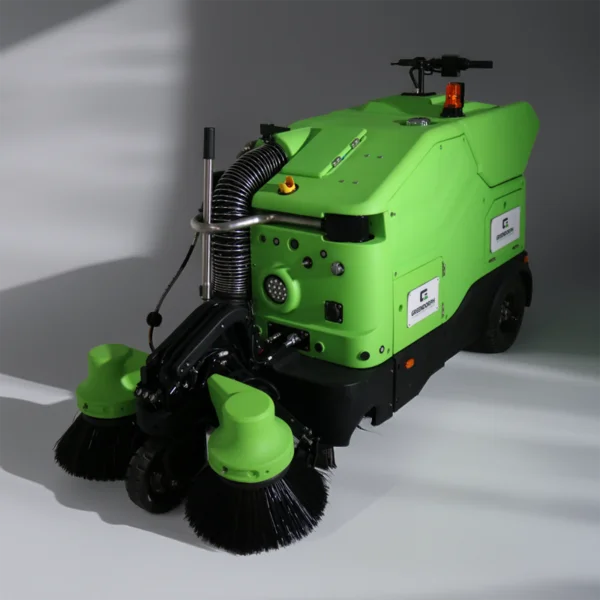
We developed the Omniclean Urban Street Sweeper YJ80 with different operation options for urban cleaning scenarios. Greendorph designed this equipment with three operator-friendly modes, including manual ride on sweeper machine, auto-follow, and towed traction. These options allow crews to adjust the working method according to different environments.
Evaluating Mobility, Runtime, and Daily Use
Mobility is another key factor when comparing machines for different floor types. Equipment used around buildings, sidewalks, or parking areas needs a practical turning radius and a design that can work in areas with limited space.
The Omniclean Urban Street Sweeper YJ80 uses a compact structure to move through sidewalks, pedestrian plazas, parking structures, and other mid-sized outdoor areas. Its layout helps operators manage cleaning tasks in places where larger equipment may be less convenient.
Runtime is also important for daily planning. Longer operating periods can reduce interruptions caused by frequent charging or battery replacement. Operators should consider the size of the cleaning area and the expected working schedule before making a decision.
For electric cleaning equipment, noise and environmental impact may also influence selection. The YJ80 provides up to 8 hours of runtime on a single charge, with electric operation designed for quieter daily cleaning activities.
Checking Vacuum Performance and Maintenance Needs
Vacuum capability affects how well machines collect dust and debris after sweeping. A strong collection system can improve cleaning results, especially in areas where fine particles are common.
A ride on vacuum sweeper combines sweeping and suction functions to collect different types of waste during operation. Buyers should check whether the vacuum system matches their cleaning environment and whether maintenance procedures are practical for regular use.
The YJ80 integrates high-pressure flushing, water-spray cleaning, turbine blowing, targeted tube collection, and dust-suppression misting. This combination allows one machine to handle several cleaning steps instead of depending on separate tools for each task.
Maintenance planning should also be considered during equipment evaluation. Operators need to understand cleaning schedules, component checks, and daily care requirements. Easy maintenance procedures can help keep equipment ready for regular operation.
Selecting Equipment Based on Long-Term Application Needs
Equipment selection should connect with actual working conditions rather than only technical specifications. A machine for a small outdoor area may require different features from one used across larger public spaces.
We provide cleaning solutions based on practical application needs. Greendorph works with customers to understand site conditions and equipment requirements before recommending suitable configurations. The focus is on matching machine functions with cleaning tasks.
For organizations comparing a ride on vacuum sweeper, factors such as floor type, debris level, operating time, and available space should be reviewed together. This approach helps buyers make decisions based on daily use instead of isolated features.
A balanced evaluation also includes operator experience. Comfortable controls, suitable visibility, and simple operation can affect productivity during long working periods. These details are valuable when equipment is used frequently.
Making a Practical Choice for Different Cleaning Environments
Different floor types require different cleaning approaches. Outdoor areas, pedestrian zones, and parking spaces each have their own challenges, so equipment comparison should include surface conditions, mobility, cleaning functions, and operation needs.
The right machine is not defined by one feature alone. A complete review of working conditions helps operators identify equipment that fits their routines. By considering these points, businesses can improve cleaning planning and daily management.