Choosing cleaning equipment by appearance or rated capacity alone can cause problems after deployment. Floor material changes traction, water use, brush contact, and debris collection. A machine that works well on smooth concrete may need different settings on rough pavement or stone surfaces.
For B2B buyers, the comparison should start with the floor itself. A robot floor cleaner should be evaluated against surface texture, contamination type, drainage conditions, operating area, and the level of human support available. These factors make the comparison more practical.
Surface Texture Changes Cleaning Requirements
Smooth indoor floors usually need controlled brush pressure and stable water use. Excessive scrubbing can leave marks or spread dirty water. Buyers should look at how the machine manages floor contact and whether settings can be adjusted for daily operation.
Rough concrete and textured outdoor paving create a different challenge. Dust and small debris can remain inside uneven surfaces. In these areas, suction, blowing, sweeping width, and water spray become more important because one method may not remove material from grooves.
Stone, brick, and interlocking pavement also need attention around joints. Loose sand, leaves, and small litter may gather between blocks. A suitable floor cleaning robot should handle these changing debris patterns without relying on one fixed cleaning action across the route.
Match the Cleaning Method to the Debris
Dry dust, leaves, mud, spilled liquids, and larger litter require different cleaning methods. Fine dust may need misting or dust suppression before collection. Leaves may respond better to sweeping and suction. Mud often requires water and stronger flushing before effective collection.
Buyers should review cleaning functions before comparing machines only by speed. Multi-function equipment can be useful when a site includes several surface conditions. The goal is not to add functions for their own sake, but to reduce tool changes and repeated passes.
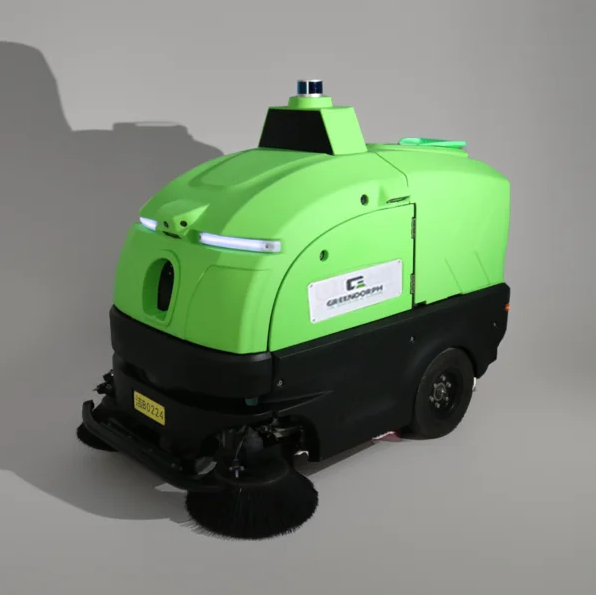
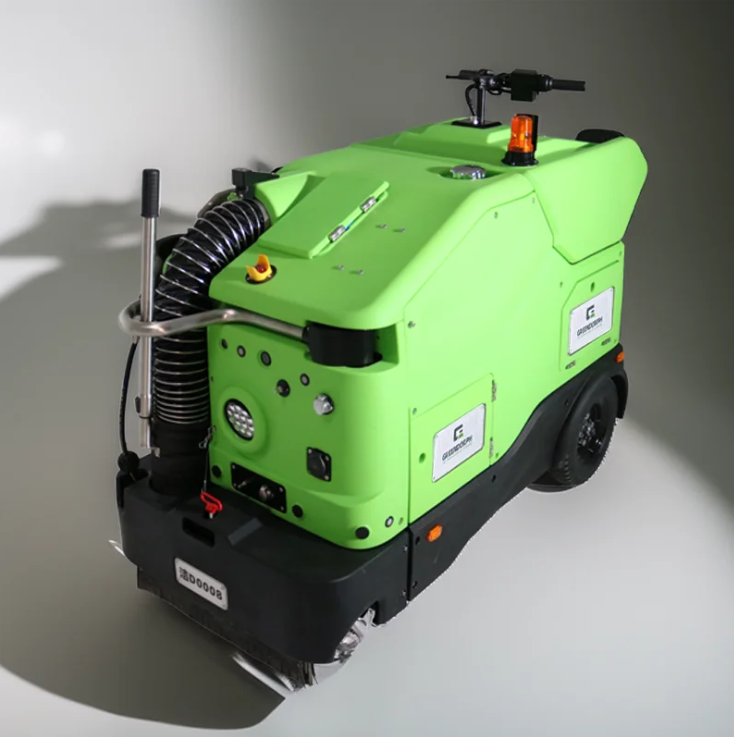
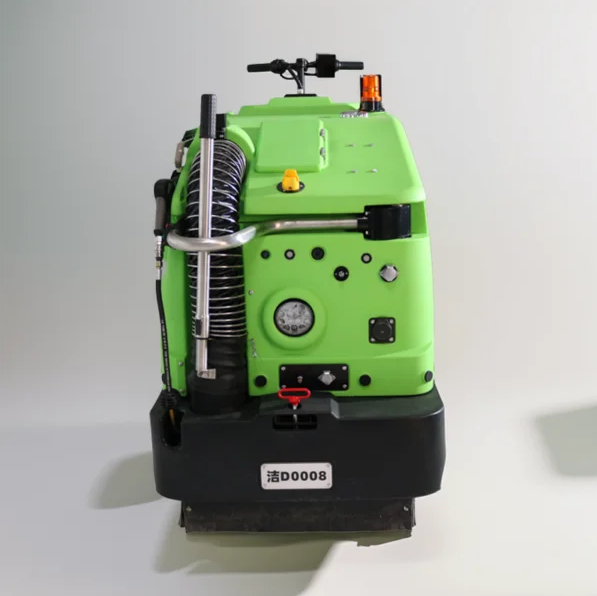
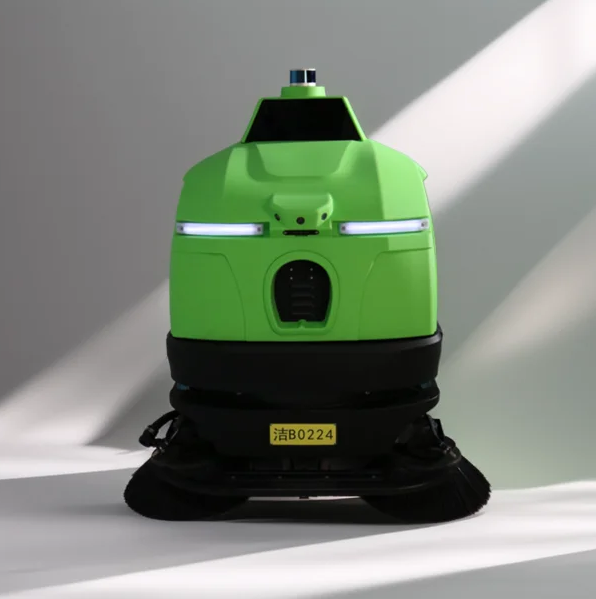
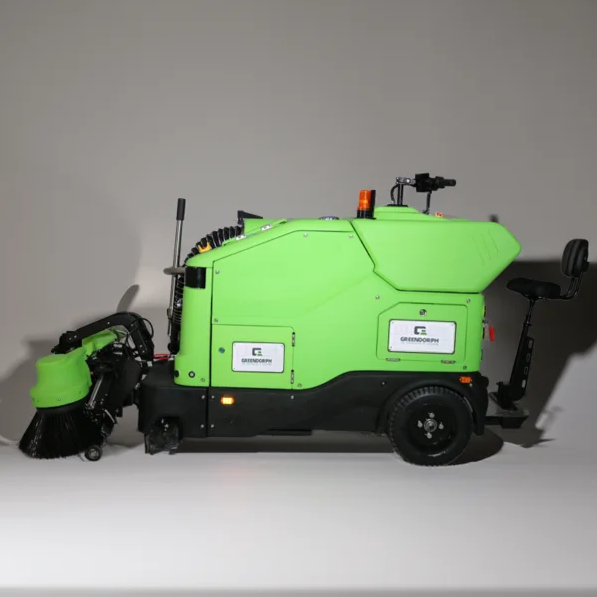
The Omniclean Urban Street Sweeper YJ80 from Greendorph follows this mixed-task approach. It combines vacuum collection, high-pressure flushing, water-spray cleaning, turbine blowing, targeted tube collection, and dust-suppression misting. These functions allow crews to select a cleaning method that suits the surface and material being removed.
Consider Human Involvement and Route Conditions
Not every site needs the same level of automation. Some locations have changing pedestrian movement, narrow passages, temporary obstacles, or cleaning zones that are difficult to map in advance. In these cases, operator control and assisted movement can be as important as autonomous functions.
The YJ80 offers manual driving, auto-follow, and towed traction modes. Auto-follow can support crews moving between cleaning points and other tasks. Manual operation gives staff direct control in areas where route conditions change frequently or close handling is required.
For buyers comparing a robot floor cleaner, this flexibility can matter on mixed-use sites such as campuses, transport areas, parks, public squares, and industrial compounds. The machine should fit the work process instead of forcing the work process to fit one operating mode.
Water, Drainage, and Surface Sensitivity Matter
Water use should also be matched to the floor. Outdoor concrete may accept high-pressure flushing, while some coated floors or indoor areas require gentler treatment. Buyers should check whether water can drain safely and whether overspray could affect nearby equipment, pedestrians, or stored goods.
High-pressure cleaning is useful when dirt is attached firmly to the surface. The YJ80 includes a high-pressure flushing function, which can support tougher cleaning tasks when the floor and drainage conditions are suitable. Water-spray cleaning can handle lighter washing, while misting can help control airborne dust.
A floor cleaning robot should therefore be compared by cleaning method, not by a single performance figure. Surface sensitivity, water access, drainage, and contamination type can all change the result of the same machine in different locations.
Look Beyond the Floor to Daily Operations
Floor type is only one part of the buying decision. Site size, shift length, storage space, charging routines, operator skills, and maintenance access also affect long-term use. A machine may clean well but still create inefficiency if it is difficult to move, refill, inspect, or assign between work zones.
Buyers should also consider how many separate tools are used for the same site. When sweeping, flushing, blowing, collecting, and dust control are handled by different machines, crews spend more time switching equipment. A combined system may simplify workflow when the site regularly needs several cleaning actions.
This is where Greendorph positions the YJ80 as a professional ride-on sweeper for varied urban cleaning work. Its purpose is not limited to one floor material. The value comes from combining several cleaning functions with different operating modes, supporting crews across changing surface and route conditions.
A Practical Way to Make the Final Comparison
The right machine depends on how closely its cleaning methods match real floor conditions. Buyers should identify surface texture, debris type, water limits, route complexity, and operator needs before comparing specifications. Testing the machine on representative areas can show whether one method is enough or several functions are needed.
A useful comparison should connect floor conditions with daily workflow. Smooth floors, rough pavement, stone surfaces, and mixed outdoor areas all place different demands on cleaning equipment. When these factors are reviewed together, buyers can select a system that fits the site more closely and avoid decisions based only on general product descriptions.