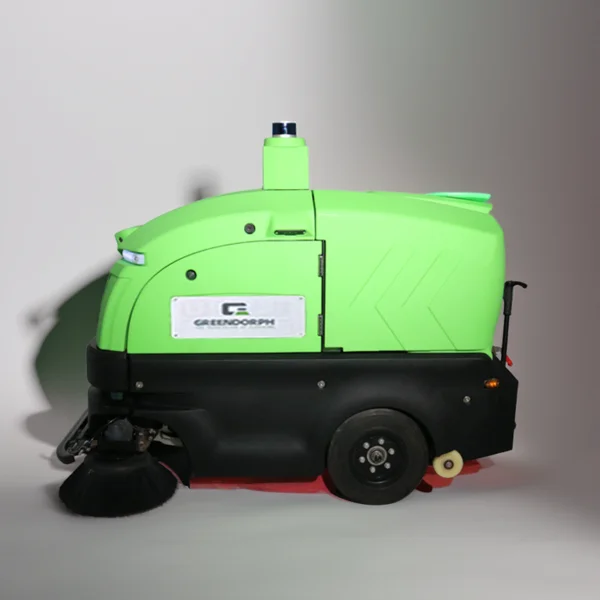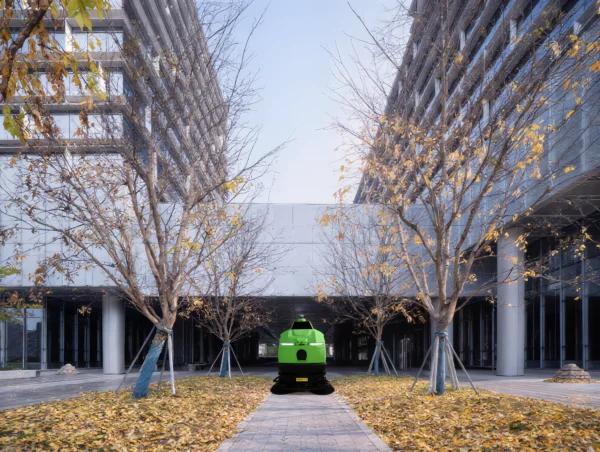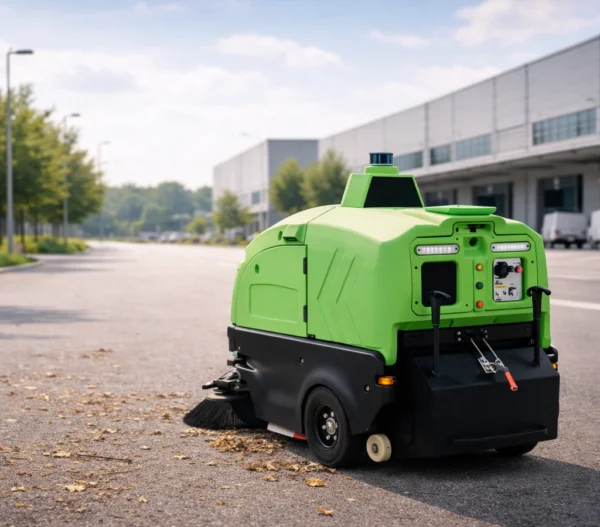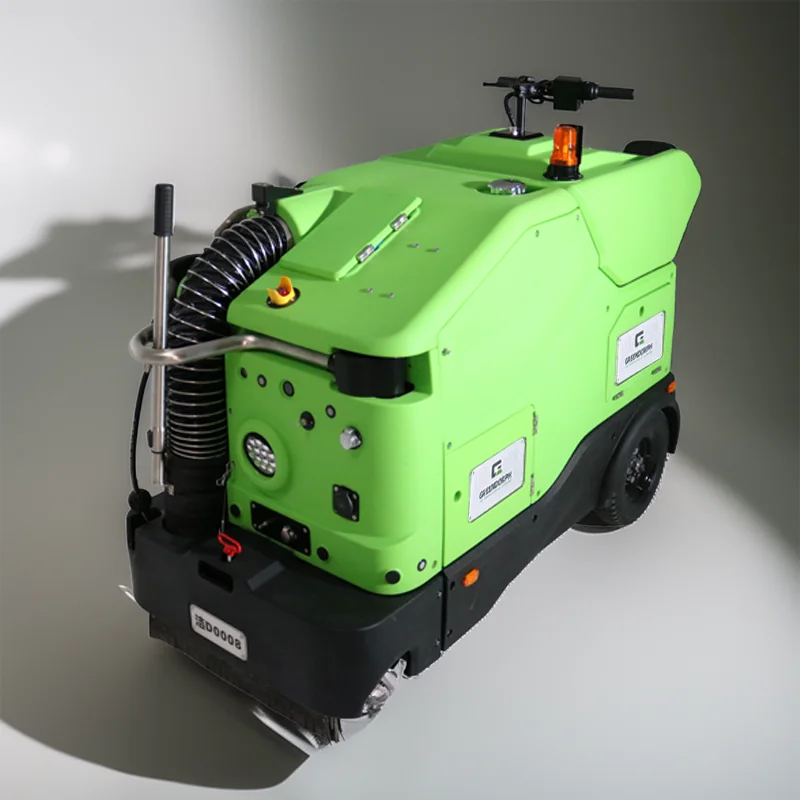
In industrial and commercial environments, maintaining clean floors is not only about appearance but also about operational safety and workflow efficiency. At Greendorph, we design cleaning solutions that help facilities move from manual or fragmented processes to structured, high-efficiency operations using modern equipment such as a ride-on sweeper and ride-on vacuum sweeper systems.
The real value of these machines is not only in their cleaning capacity, but in how they integrate into a repeatable workflow that reduces downtime and improves consistency across large spaces like warehouses, logistics centers, and manufacturing plants.
Planning the Cleaning Route Before Operation
A reliable workflow begins before the machine starts moving. We recommend defining zones based on traffic intensity, debris type, and operational schedules.
High-traffic aisles should be prioritized, followed by storage areas and perimeter zones. This structured mapping ensures that a ride-on sweeper operates with minimal overlap and avoids unnecessary battery consumption or redundant passes.
In practice, this planning stage helps operators treat cleaning as a controlled process rather than a reactive task.
Optimizing Machine Setup for Different Floor Conditions
Industrial floors vary widely, from smooth epoxy surfaces to rough concrete or asphalt. Adjusting brush pressure, suction strength, and filtration settings is essential for consistent results.
A ride-on vacuum sweeper integrates sweeping and dust control through a combined brush and suction system, capturing fine particles rather than redistributing them into the air.
At Greendorph, we emphasize configuring machines based on dust load and surface type before each shift, which reduces rework and improves cleaning precision.
Execution Phase: Maintaining Stable Operating Speed
During operation, consistency is more important than speed bursts. Operators should maintain a steady driving pace to allow brushes and vacuum systems to work effectively.
Most industrial ride-on systems are designed to cover large areas efficiently while reducing manual labor demands.
For large facilities, maintaining a predictable speed ensures even cleaning coverage and reduces strain on mechanical components, which supports longer service life and more stable performance over time.
Dust Management and Hopper Efficiency
A critical part of workflow efficiency is managing collected debris. Regularly monitoring the hopper level prevents airflow blockage and suction loss.
Instead of frequent interruptions, modern systems are designed with large-capacity collection bins to minimize emptying cycles. This allows operators to maintain continuous cleaning sessions, especially in high-dust environments such as logistics hubs or industrial parks.
We recommend setting a midpoint check routine during long shifts to ensure consistent performance without unnecessary stoppages.
Post-Cleaning Maintenance and Workflow Feedback Loop
After each cycle, cleaning the filters, checking brush wear, and inspecting suction pathways ensures the machine is ready for the next operation.
At Greendorph, we treat post-operation maintenance as part of the workflow, not an optional step. Facilities that adopt this approach typically experience more stable output and fewer unexpected interruptions.
Additionally, recording cleaning performance data helps refine future route planning and machine configuration, creating a continuous improvement loop.
Conclusion
An effective industrial cleaning system is built on more than equipment selection. It depends on how a ride-on sweeper or ride-on vacuum sweeper is integrated into a structured workflow that includes planning, setup, execution, and maintenance.
At Greendorph, we focus on helping facilities turn cleaning into a predictable operational process rather than a reactive task. With the right workflow design, large-area cleaning becomes more consistent, easier to manage, and better aligned with daily operational demands.