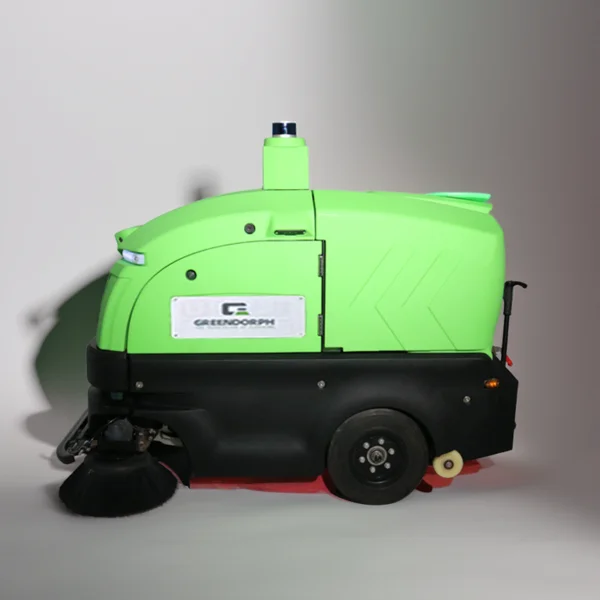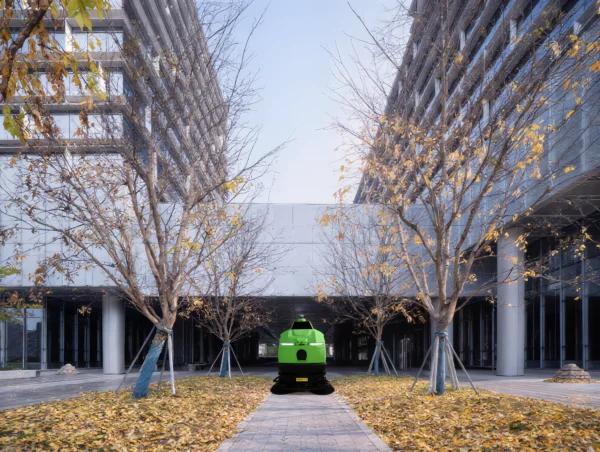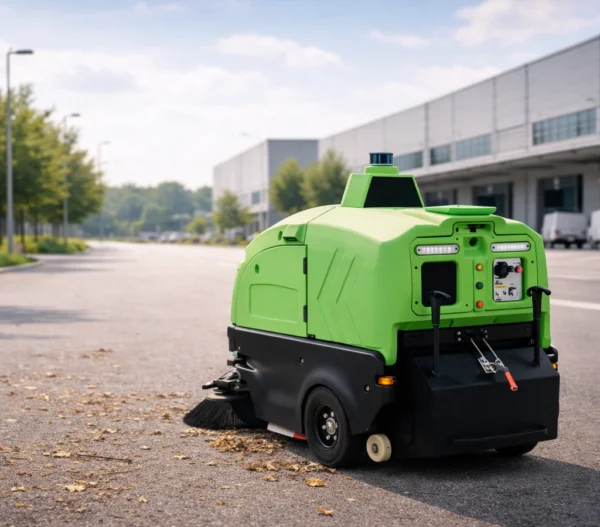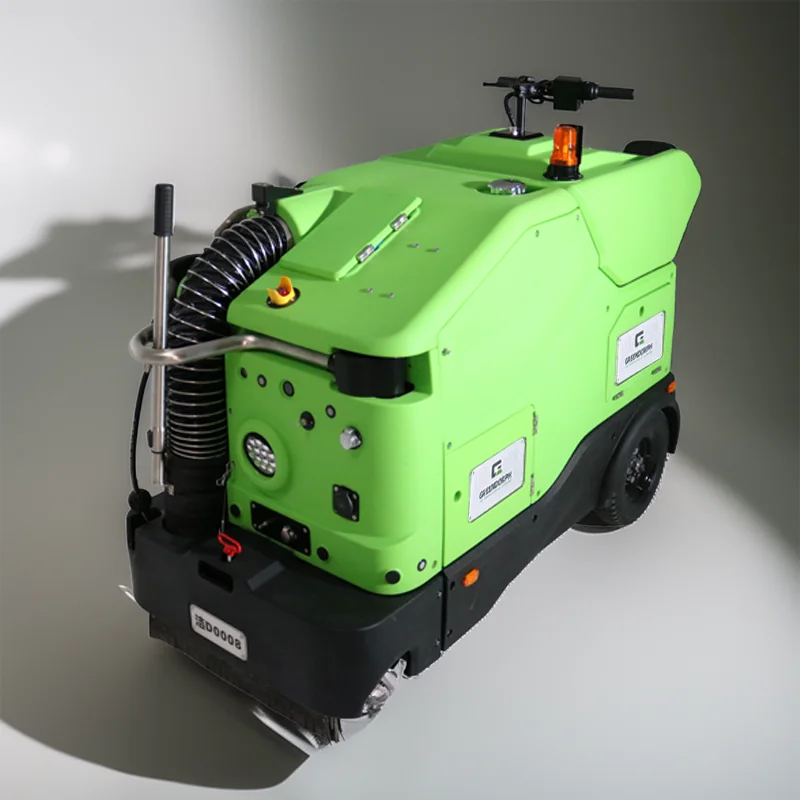
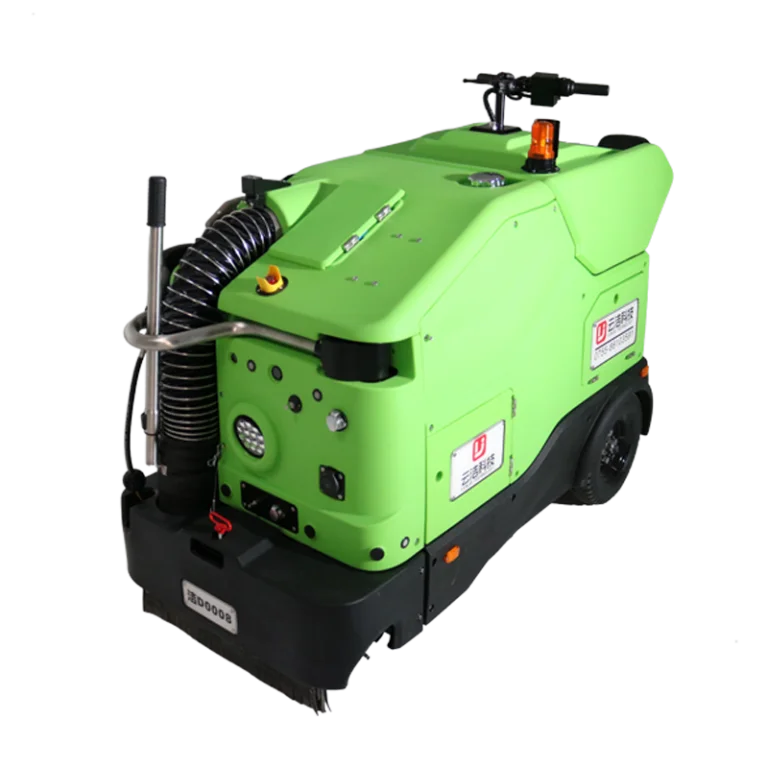
Keeping urban pedestrian paths clean requires more than just manual labor; it demands the integration of intelligent machinery capable of handling diverse debris. At Greendorph, we work with municipal planners who recognize that traditional cleaning methods often struggle with the narrow, complex layouts of city centers. We see a significant shift toward automated systems, specifically designed to handle the nuances of high-traffic walkways without disrupting the daily lives of residents. As we look at the trajectory of facility maintenance, it is evident that a sidewalk vacuum sweeper is becoming an essential component for any modern city’s sanitation strategy.
Integrating Automated Technology for Pedestrian Zones
The primary hurdle for any municipal fleet is balancing equipment size with cleaning performance. A street vacuum needs to be compact enough to maneuver through tight alleyways, yet powerful enough to extract stubborn waste from cracks and uneven surfaces. We find that the most effective solutions leverage multi-sensor arrays—including LiDAR and ultrasonic cameras—to ensure precise operation around pedestrians. By utilizing these technologies, a sidewalk vacuum sweeper can operate safely during daylight hours, minimizing the reliance on late-night shifts and allowing for continuous, proactive cleanliness in heavily populated areas.
Advancing Efficiency Through Smart Design
The efficiency of your cleaning operation depends heavily on the machine’s ability to minimize downtime. We emphasize to our partners that a modern street vacuum should be equipped with intelligent data logging, allowing supervisors to track battery life, debris collection rates, and route coverage in real time. This level of oversight provided by Greendorph ensures that your maintenance team can address problem areas before they escalate into larger sanitation issues. When an automated sidewalk vacuum sweeper is integrated into a wider data-driven network, it provides a comprehensive view of urban hygiene that helps allocate human resources to more specialized tasks.
Sustainable Practices for Cleaner Cities
Reducing the environmental footprint of municipal equipment is a priority for every forward-thinking administration. The current generation of electric-powered hardware offers a quiet, emission-free alternative to traditional fuel-guzzling models. At Greendorph, we believe the adoption of these machines is crucial for noise reduction in residential zones, enabling cleaning operations to occur at any hour. By incorporating a high-efficiency street vacuum into your fleet, you not only improve the physical appearance of your pedestrian zones but also demonstrate a commitment to a healthier, quieter urban environment for all citizens.
Advancements in autonomous and electric technology are reshaping the way we manage public spaces. By moving toward these smarter, more adaptable cleaning tools, cities can ensure that sidewalks remain safe and inviting for everyone. With a clear focus on integration and performance, these modern assets provide a long-term solution for maintaining urban hygiene.