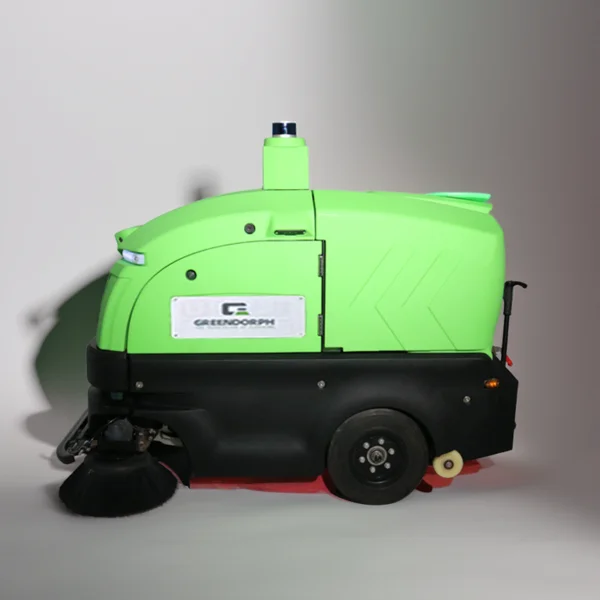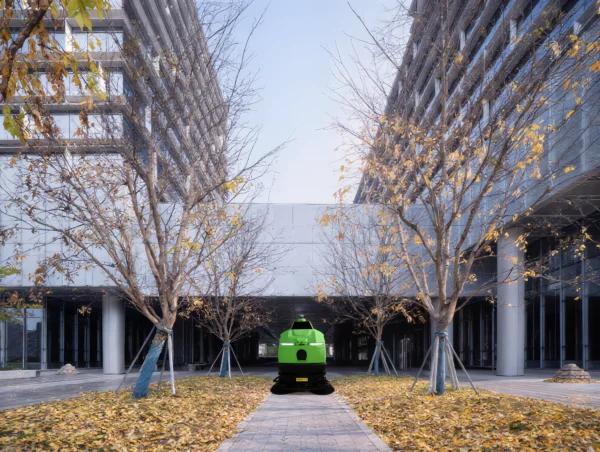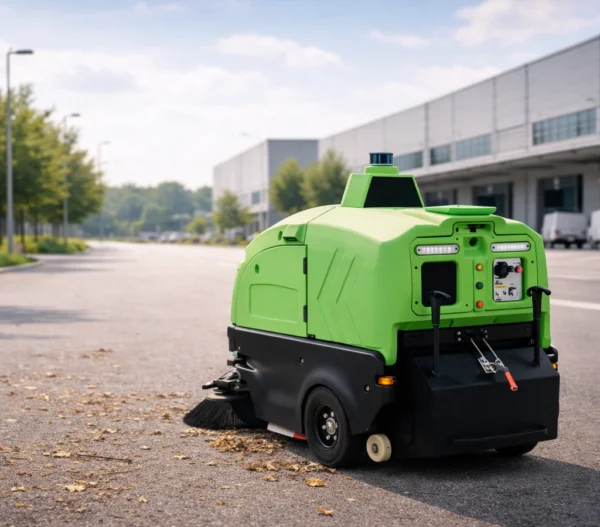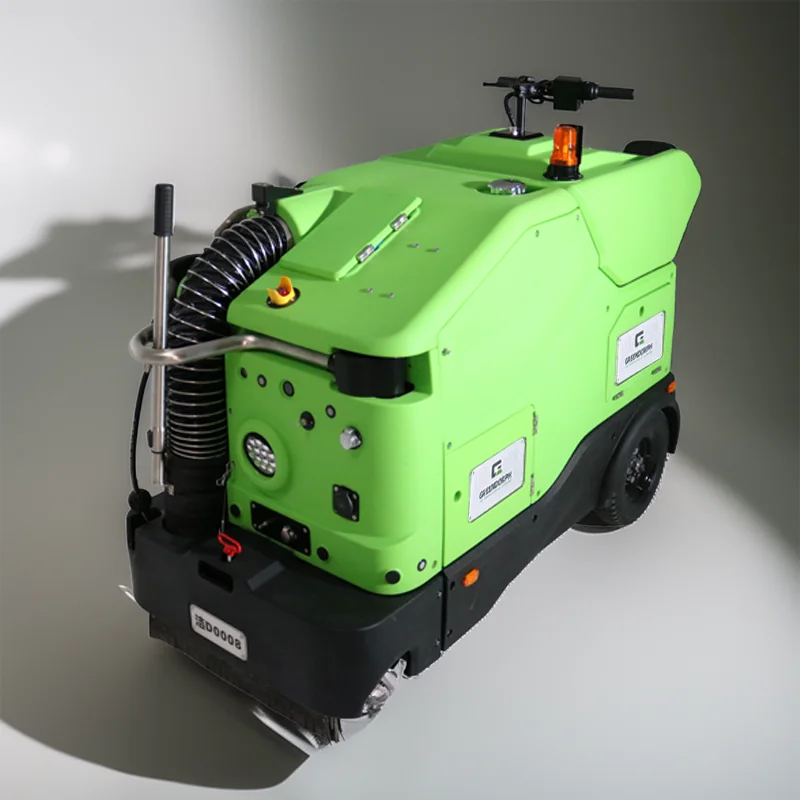
Developing a profitable, sustainable maintenance plan for commercial properties, retail plazas, and massive shipping hubs requires a detailed analysis of machine durability and localized debris loads. Windblown sand, seasonal leaves, plastic packaging waste, and fine gravel collect on concrete decks daily, creating a persistent layer of grit. Left unmanaged, these abrasive particles act like sandpaper under the heavy tire loads of delivery trucks, slowly cracking concrete pavements and destroying surface sealants. Utilizing a specialized parking lot sweeper provides maintenance crews with a highly predictable, repeatable system to protect physical infrastructure from premature wear.
Balancing capital equipment costs against daily operational productivity is a core challenge for modern service organizations. Relying on slow manual push brooms to clear multi-acre complexes is incredibly inefficient, driving up labor costs while kicking fine dust back into the air. By focusing on critical technical parameters—such as mechanical brush downpressure, advanced moisture containment, and long-term warranty support—procurement teams can make highly informed investments. Establishing a structured approach to commercial parking lot cleaning keeps busy public driving lanes safe, clean, and highly professional.
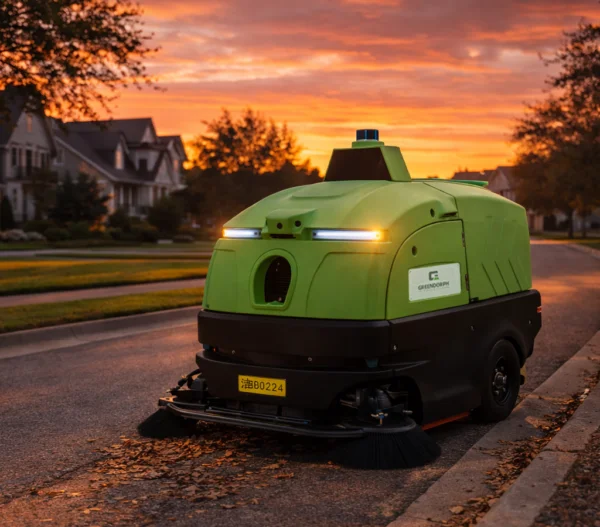
Assessing Daily Debris Volume and Core Mechanical Collection Physics
Evaluating the specific types of waste your facility accumulates is the first step toward selecting an effective cleaning platform. Outdoor public spaces experience a diverse mixture of heavy organic debris, coarse sand, and loose plastic litter that shifts with the seasons. A robust collection system must combine physical brush sweeping with powerful vacuum suction to capture these materials cleanly in a single pass.
Traditional light-duty vacuum sweepers often struggle to lift heavy gravel or wet, compacted leaves out of deep pavement crevices. Choosing high-torque sweeping brushes facilitates that stubborn surface dirt is loosened and collected without causing premature bristle wear. Our technical teams analyze these physical friction variables to help facilities build highly effective, repeatable cleaning loops.
Mitigating Airborne Dust Hazards via Advanced Fluid Suppression
Dry sweeping across dry concrete decks often kicks up dense dust clouds, exposing drivers and pedestrians to unhealthy airborne particulates. Modern dust containment relies on a balanced system that uses high-pressure water misters to bind small particles together right before vacuuming. This wet-suppression mechanism traps fine concrete dust securely inside the collection hopper instead of venting it back into the facility.
Running large-volume parking lot sweepers locks microparticle contaminants inside the equipment steadily during prolonged operation. High-efficiency fabric filters prevent fine particulate matter from escaping back into the public air during long cleaning shifts. At Greendorph, we prioritize these sealed air pathways to protect indoor air quality and safeguard workers from inhaling fine airborne dust.
Evaluating Structural Longevity and Long-Term Technical Support
Heavy industrial cleaning equipment undergoes intense mechanical stress while operating daily across rough asphalt and concrete surfaces. Minor structural failures or delayed spare part shipments can easily halt your cleaning schedule, leading to dirty walkways and safety hazards. Evaluating the warranty terms and spare parts availability of potential equipment manufacturers is vital to keeping your fleet running.
Durable & Supported – Long-lasting machines with 1–2 year warranty and spare parts in stock, ensuring your fleet of parking lot sweepers stays operational. Our specialized design team removes unnecessary drive belts, making the machinery incredibly reliable and much cheaper to operate over years of service. Simplified core mechanical structure elevates vehicle uptime to the fullest and sustains continuous fleet operation.
Optimizing Machine Agility for Restricted and Low-Clearance Spaces
Narrow pedestrian walkways, outdoor restaurant patios, and busy subway entrances present major physical navigation obstacles for standard utility vehicles. Large cleaning trucks can easily strike decorative lampposts or block active pathways, causing costly structural damage and traffic delays. Ground teams require compact, highly agile utility platforms engineered to navigate around delicate outdoor benches and unexpected path barriers smoothly.
Using a highly maneuverable commercial parking lot cleaning vehicle secures that tight parking spaces and narrow driving ramps receive consistent cleaning. Our compact autonomous chassis designs incorporate advanced steering setups that allow our specialized machines to turn smoothly in restricted areas. This precise navigation promises that hard-to-reach corners receive a deep, thorough clean without requiring any manual human steering.
Streamlining Daily Operations to Reduce Labor Overhead
Persistent staffing shortages and rising operational costs make it increasingly difficult for grounds crews to clean expansive paved areas by hand. Pushing heavy waste bins across multi-level parking structures is slow and exhausting, leading to inconsistent cleaning patterns and missed corners. Transitioning to specialized mechanical sweepers allows facilities to cover massive areas in a fraction of the time with minimal physical effort.
Efficient Cleaning & Operation – Designed for effective parking lot sweeping, the power sweepers for parking lots reduce labor and improve results. At Greendorph, we prioritize building quiet, low-emission electric vehicles that lower your annual energy costs while removing localized carbon emissions. This automated sweeping approach lets your maintenance team focus on complex repairs, significantly increasing your overall operational productivity.
Conclusion
Preserving sprawling commercial spaces requires replacing manual cleanup tools with specialized, low-emission electric utility systems. Implementing a certified, highly maneuverable parking lot sweeper allows facility managers to protect floor coatings, control fine dust, and reduce moisture hazards quietly. These compact, battery-powered vehicles deliver exceptional cleanliness consistency across expansive public plazas while reducing annual repair and labor expenses. Our team remains fully dedicated to engineering the robust, sustainable electric tools required to support grounds crews and keep global facilities pristine.