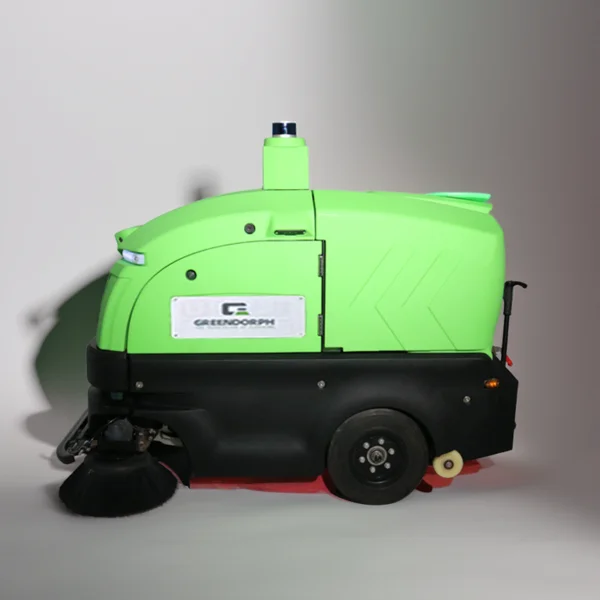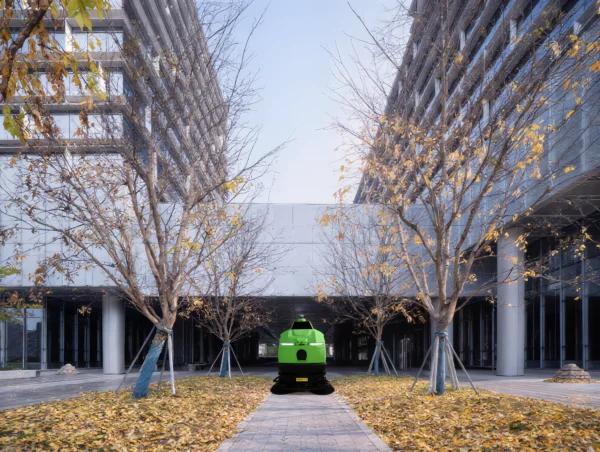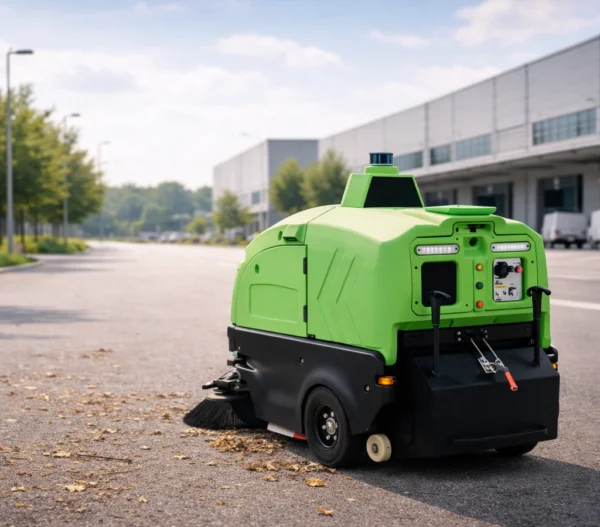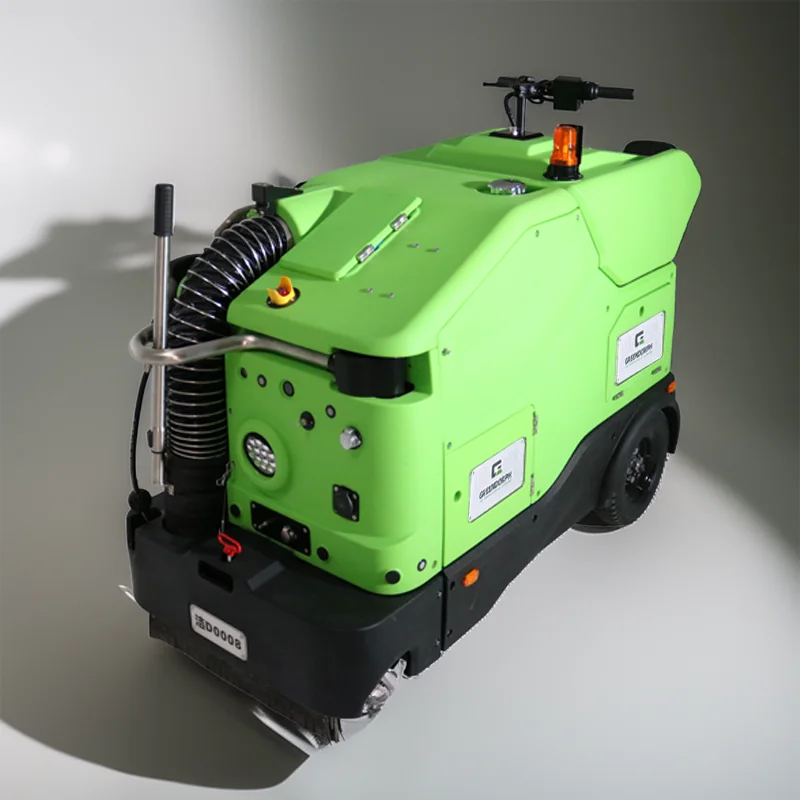
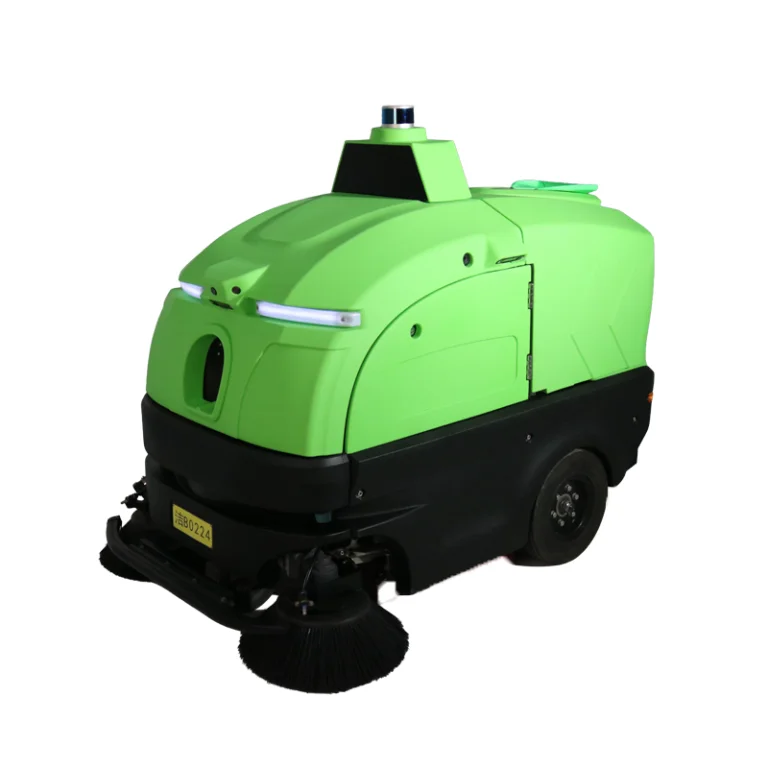
Heavy rain, gusty winds, and extreme humidity present significant hurdles for automated maintenance hardware. At Greendorph, we frequently encounter questions from site managers about how autonomous equipment handles the elements when the sky turns gray. While many systems are designed for clear conditions, the reality of outdoor maintenance requires a more robust approach to environmental interaction. We examine the mechanics of moisture protection and sensor reliability to ensure your facility remains clean regardless of the forecast.
Sensor Integrity Amidst Precipitation
The eyes of an autonomous machine are its most vulnerable components. When moisture accumulates on camera lenses or LiDAR sensors, the unit can struggle to map its environment accurately. An outdoor robot cleaner often employs specialized hydrophobic coatings and internal heating elements to prevent condensation from clouding its optical field. We have observed that maintaining these sensors with regular wipe-downs is essential to keep the system from stalling when the atmosphere turns damp or misty. Consistency in hardware maintenance ensures that the machine retains its situational awareness even when visibility drops.
Traction and Stability on Wet Surfaces
Wet pavement and slick leaves significantly alter the physics of ground-based movement. A reliable outdoor vacuum robot must feature high-friction tire compounds and sophisticated torque-control software to maintain stability on inclines during a downpour. At Greendorph, we emphasize the importance of checking tread wear and weight distribution periodically. If the machine loses grip, it not only risks sliding into obstacles but also fails to achieve the necessary contact pressure for effective debris removal. Advanced traction control allows the unit to compensate for slippery conditions, ensuring the cleaning path remains consistent even as surfaces become hazardous.
Sealing Internal Components Against Moisture
The internal electronics of any automated system require a formidable barrier against water intrusion. Every outdoor robot cleaner relies on IP-rated enclosures to protect vital circuitry from short circuits caused by heavy spray or pooling water. Our team at Greendorph highlights that verifying these seals during routine inspections prevents the gradual buildup of corrosion that can eventually compromise long-term performance. By keeping the chassis dry internally, we allow the machine to continue operating through the seasons. A well-protected outdoor vacuum robot is capable of enduring harsh weather cycles without succumbing to the typical failures associated with moisture exposure.
Preparation for environmental stress determines the longevity of your autonomous fleet. While no machine is entirely immune to the extremes of nature, proper design and regular site checks provide the stability required for continuous service. With the right hardware, your facility maintenance routine remains resilient, adapting to changing skies and ensuring cleanliness remains a constant factor for your premises.