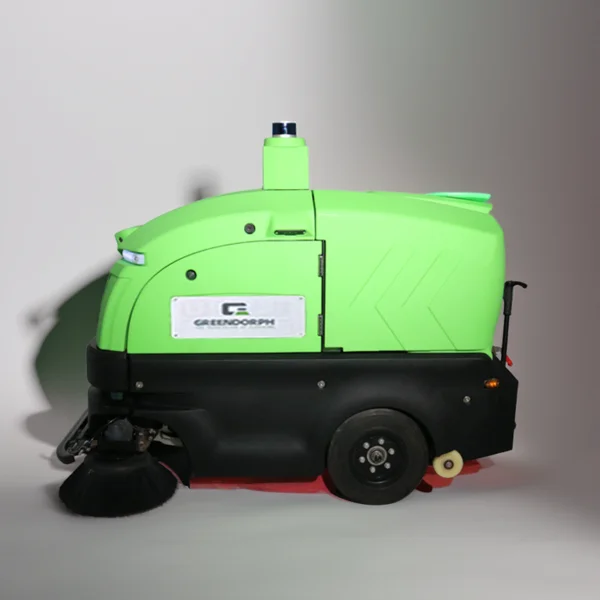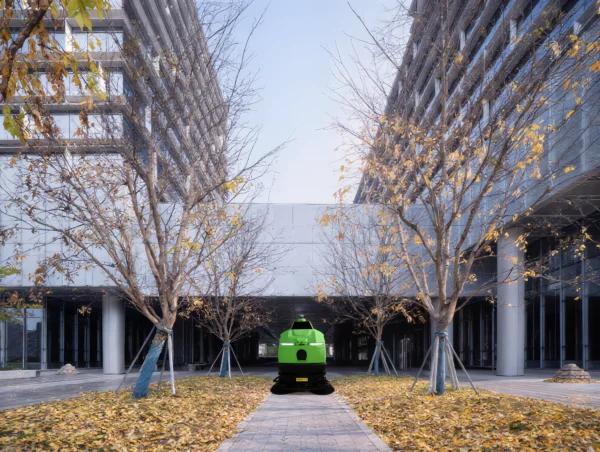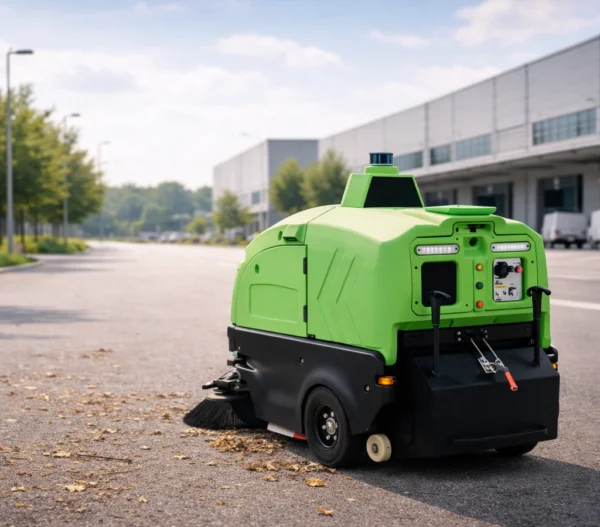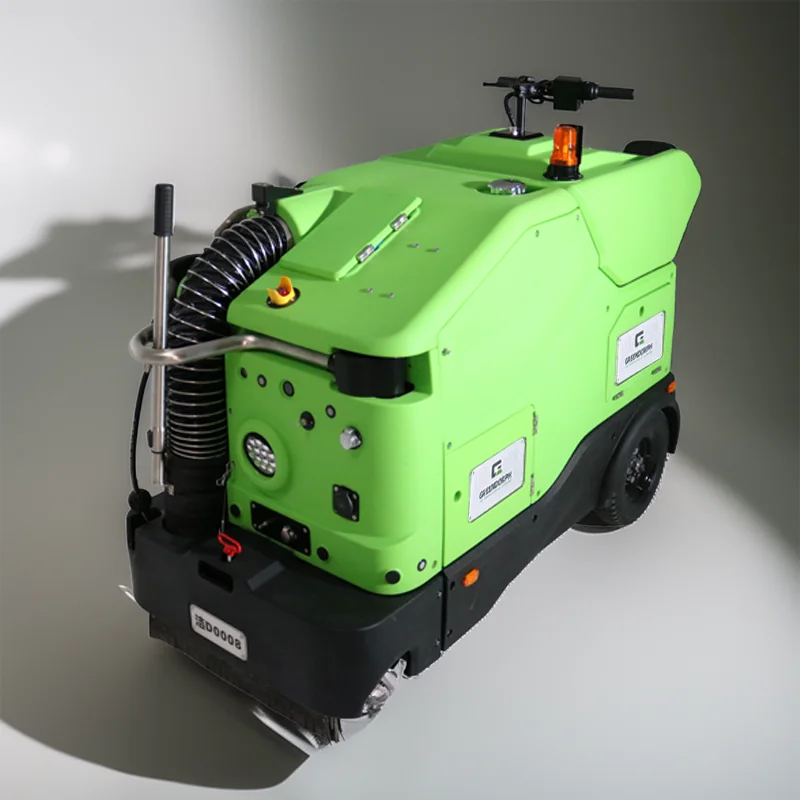
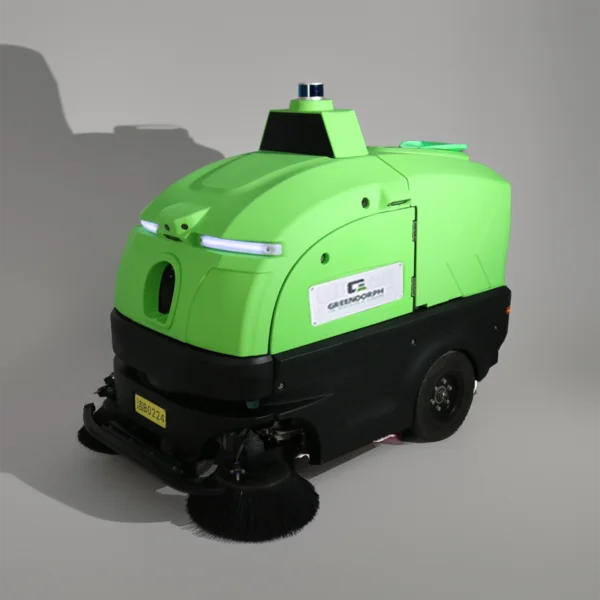
We understand that large logistics hubs and distribution centers operate under constant pressure. High traffic, packaging debris, and dust accumulation can quickly disrupt workflows and create safety risks. A reliable warehouse sweeper is no longer just a cleaning tool. It is part of operational management.
Industrial environments generate continuous debris from pallets, forklifts, and packaging materials. Without efficient cleaning systems, dust can affect air quality, damage equipment, and reduce productivity. Studies show that proper sweeping solutions help maintain safer working conditions while protecting inventory and machinery. At Greendorph, we approach cleaning as a scalable process rather than a routine task.
Why Fleet-Based Cleaning Matters
Managing a single machine may work for smaller facilities, but large-scale operations require coordinated solutions. A fleet of industrial warehouse floor sweeper units allows us to cover extensive areas efficiently while adapting to different zones within the facility.
Open areas benefit from high-capacity ride-on machines that can clean tens of thousands of square feet per hour, while compact units handle narrow aisles and storage sections.
With a fleet approach, we can:
Maintain consistent cleaning across shifts.
Reduce reliance on manual labor.
Allocate machines based on workload and layout.
Ensure continuous operation without downtime.
This structured deployment transforms cleaning into a predictable and measurable process.
Improving Efficiency and Safety
We see clear connections between cleanliness and operational efficiency. Dust and debris are not only visual concerns. They can slow down picking processes, create slip hazards, and interfere with equipment performance.
A well-deployed warehouse sweeper system removes debris in a single pass, reducing the need for repeated manual cleaning. This allows staff to focus on core logistics tasks instead of maintenance.
At the same time, advanced dust control systems help improve indoor air quality, which is essential in enclosed warehouse environments. Cleaner air supports worker comfort and helps maintain compliance with safety standards.
Flexible Solutions for Complex Layouts
No two warehouses are identical. Some facilities prioritize wide-open storage zones, while others require precise navigation through shelving systems.
We design fleet strategies that match these conditions. Larger machines handle bulk cleaning in high-traffic zones, while smaller sweepers focus on detail work. This combination ensures full coverage without interrupting daily operations.
By integrating multiple machines, we create a system that adapts to workflow changes, seasonal demand, and facility expansion.
Data-Driven Maintenance and Cost Control
Fleet management also allows us to monitor usage, optimize cleaning schedules, and reduce operating costs. Instead of reactive cleaning, we rely on planned routines supported by equipment performance data.
This approach helps extend floor life, reduce equipment wear, and minimize unplanned downtime. Over time, businesses benefit from lower maintenance costs and more predictable operations.
Conclusion
At Greendorph, we believe that managing large-scale facilities requires more than a single solution. A coordinated fleet of warehouse sweeper systems provides the flexibility, efficiency, and reliability needed for modern industrial environments.
By combining strategic deployment with advanced equipment, we help transform cleaning into a structured process that supports safety, productivity, and long-term operational stability.