Outdoor cleaning is different from indoor maintenance because working areas are usually larger and more exposed to changing conditions. Parks, industrial campuses, sidewalks, and schools often require regular removal of dust, leaves, and small waste. For property managers and facility operators, cleaning methods need to match site size, daily workload, and management plans.
Traditional sweeping has been used for many years, but automated equipment has introduced another option for large-area sanitation. Comparing an outdoor robot cleaner with traditional sweeping methods can help businesses understand the differences in operation, cleaning functions, and practical applications.
Different Cleaning Methods for Outdoor Environments
Traditional sweeping usually depends on workers or manually operated machines. The operator needs to follow planned routes and adjust the cleaning process according to the condition of the site. This method can work well for small areas, but large spaces may require more time and labor coordination.
Outdoor areas also contain different types of debris. Leaves, fine dust, paper waste, and small particles may appear together on the same surface. Cleaning teams need to select suitable tools and repeat certain areas when the first pass does not remove all materials.
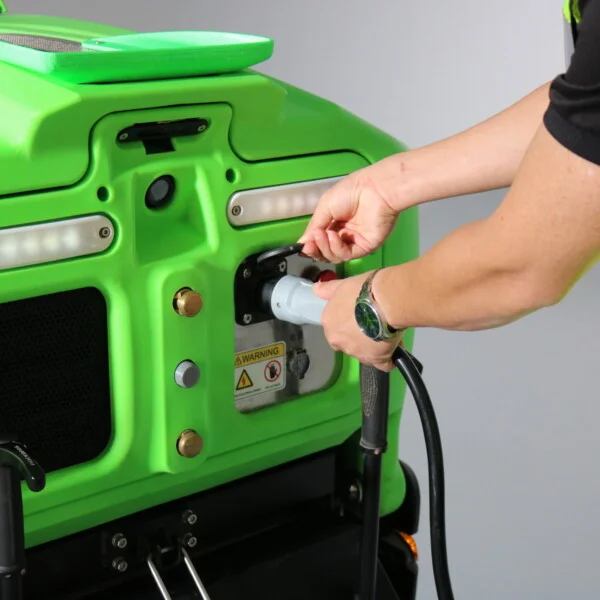
An automated system changes the way cleaning tasks are arranged. An outdoor sweeper can follow programmed routes and perform scheduled cleaning work, which reduces the need for constant manual operation during routine tasks.
For large facilities, the difference is not only about cleaning speed. It is also about how managers organize daily work. Automated equipment can provide a more structured cleaning process, while traditional sweeping often requires more direct supervision and workforce planning.
Comparing Operation Flexibility and Daily Management
The working process is an important difference between automated equipment and traditional methods. Manual sweeping requires staff to be available during each cleaning period, while autonomous machines can operate according to preset plans.
This flexibility is useful for locations that need regular cleaning throughout the day. For example, sidewalks around campuses or roads inside industrial areas may collect dust and leaves at different times. A scheduled cleaning process helps maintain more stable site conditions.
Greendorph develops outdoor cleaning equipment for business and facility applications. Our solutions focus on combining autonomous operation with practical cleaning functions to meet the needs of large outdoor spaces, including parks, industrial campuses, sidewalks, and schools.
When evaluating cleaning equipment, businesses also need to consider maintenance and operation requirements. Automated machines still require regular checks and care, but they can reduce repeated manual sweeping work and help teams manage larger areas more efficiently.
Cleaning Functions Affect Outdoor Performance
Cleaning ability depends on how a machine handles different types of outdoor waste. Traditional sweepers often use brushes or mechanical structures to collect debris, while newer systems may combine several functions to improve cleaning coverage.
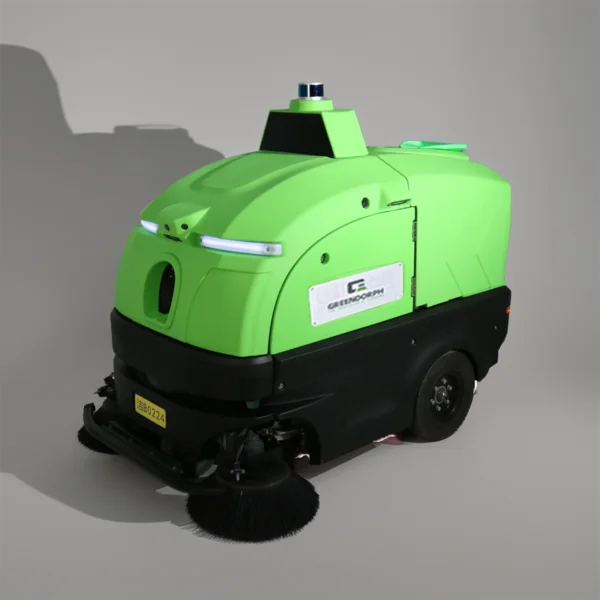
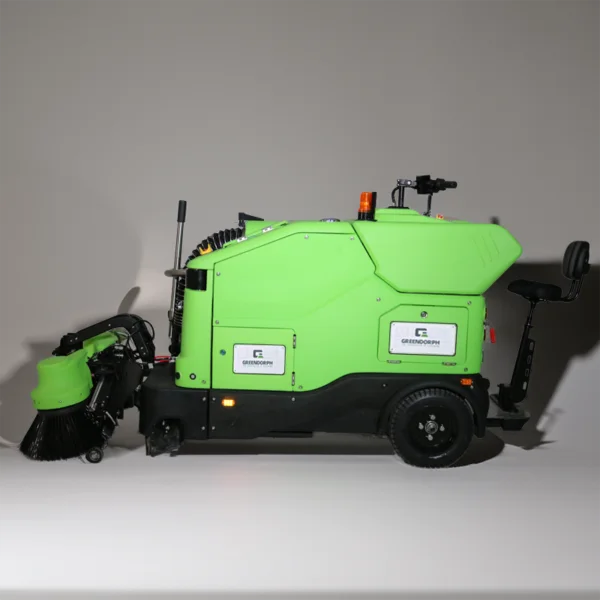
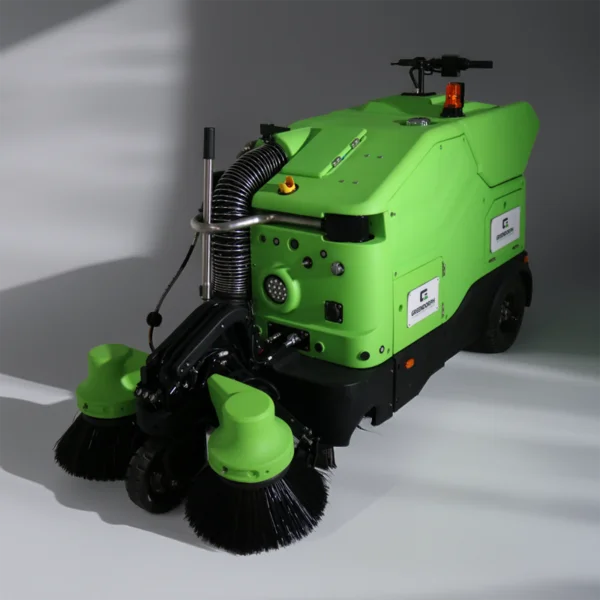
The Auto Sweeper YJ130 uses a primary cleaning system with three auxiliary functions: suction, airflow-assist, and misting spray. These functions work together to handle dust collection, airflow control, and particle reduction during outdoor cleaning operations.
According to the provided specifications, the Auto Sweeper YJ130 can achieve over 95% cleaning efficiency and operate continuously for 6-8 hours. It is designed for large-area outdoor sanitation across parks, industrial campuses, sidewalks, schools, and similar environments.
Compared with basic sweeping methods, a multifunctional cleaning system gives operators more options when facing different site conditions. Dust-heavy areas, open spaces, and frequently used pathways may require different cleaning approaches during daily operation.
Selecting Equipment Based on Site Conditions
The choice between automated cleaning and traditional sweeping depends on the actual environment. Small areas with limited cleaning requirements may continue using conventional methods, while larger sites may need equipment that can cover wider spaces with less direct labor.
For industrial campuses and public areas, managers usually need to consider cleaning frequency, surface type, operating hours, and waste conditions. These factors influence whether automated equipment can provide practical value for daily maintenance.
Greendorph focuses on developing autonomous cleaning solutions that fit different outdoor application scenarios. Our equipment planning considers real working conditions rather than only technical functions, helping customers evaluate whether a machine matches their site requirements.
A suitable outdoor sweeper should not only collect waste but also fit into the existing maintenance process. Route planning, operating duration, and cleaning functions are important points when businesses compare different solutions.
Automation Brings New Options for Outdoor Sanitation
The development of automated cleaning technology provides businesses with another way to manage outdoor maintenance. Traditional sweeping remains useful in many situations, but automated systems offer different advantages for locations that require regular cleaning across larger areas.
For companies managing parks, campuses, and industrial spaces, understanding the differences between manual methods and automated equipment can support better planning. The right solution depends on site conditions, cleaning goals, and long-term operation needs.
As outdoor environments continue to require organized maintenance, an outdoor robot cleaner can become part of a broader sanitation strategy. By matching equipment functions with practical applications, businesses can create a more efficient and manageable cleaning process.