Large-scale logistics and industrial facilities are increasingly turning to automation to maintain hygiene standards while controlling operational costs. The shift toward a warehouse sweeper solution is no longer optional but a strategic upgrade for efficiency-focused enterprises. At Greendorph, we specialize in intelligent sanitation systems designed for demanding environments where reliability and scale matter. Our experience in warehouse sweeping technology has shown that successful deployment depends on structured planning, equipment selection, and proper integration into daily operations. The modern warehouse sweeper is not just a cleaning tool—it is a productivity asset that supports safer and more efficient workflows.
Step 1: Assessing Facility Requirements for Warehouse Sweeping
Effective deployment begins with a detailed evaluation of warehouse sweeping needs. Facility size, floor type, traffic density, and debris characteristics all influence the selection of a warehouse sweeper system. We recommend mapping high-traffic zones and identifying peak contamination areas to determine cleaning frequency. A well-matched warehouse sweeper ensures consistent performance without interrupting logistics operations. By analyzing these factors early, organizations can avoid underutilization or overloading of their warehouse sweeping equipment.
Step 2: Selecting the Right Automated Warehouse Sweeper
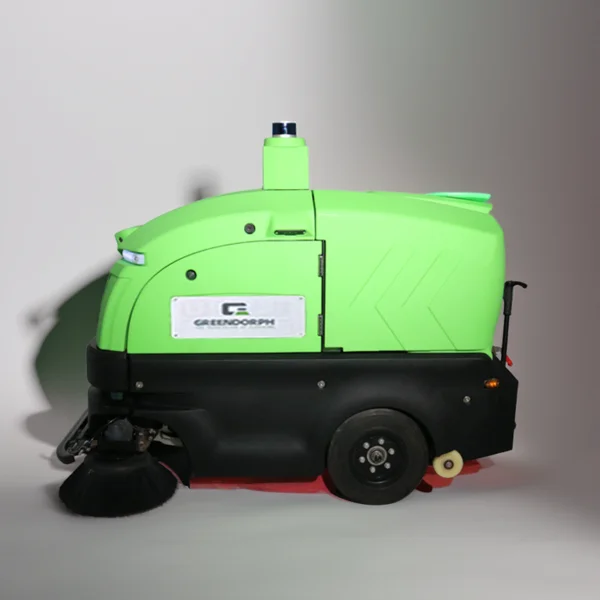
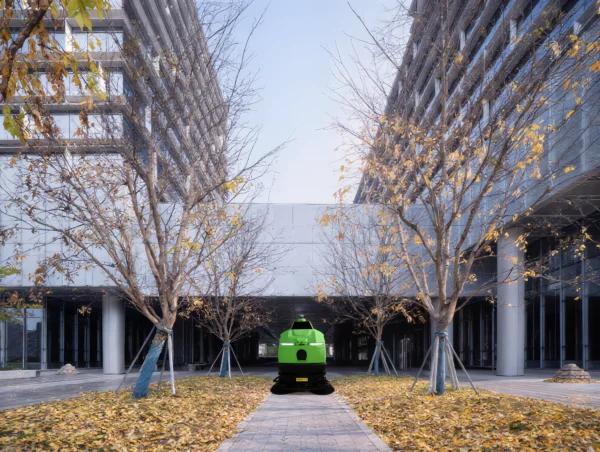
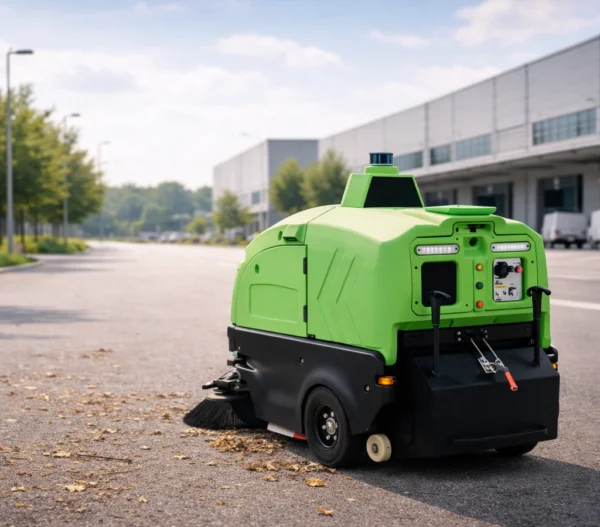
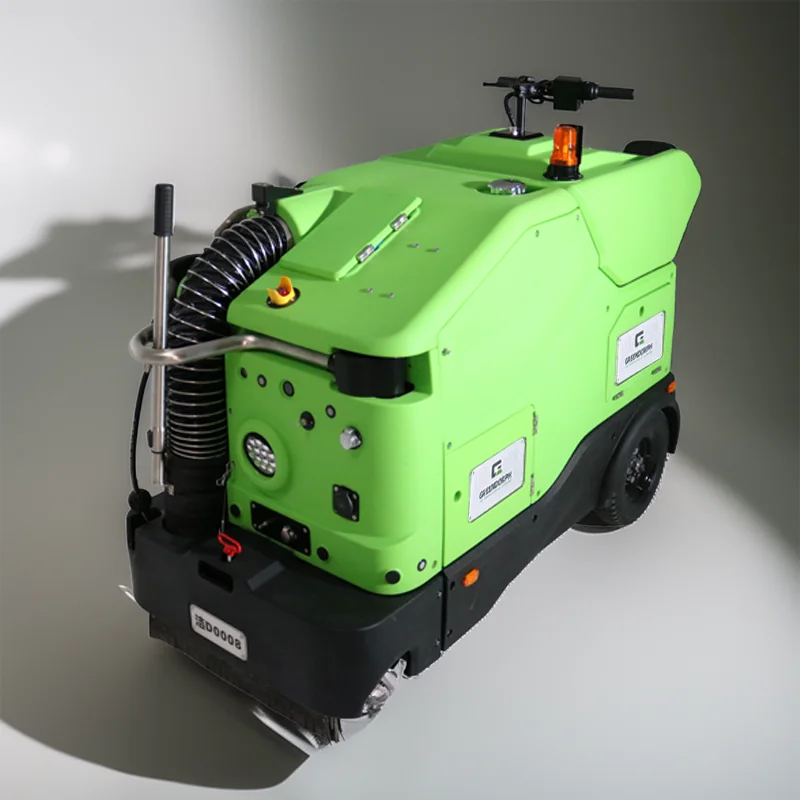
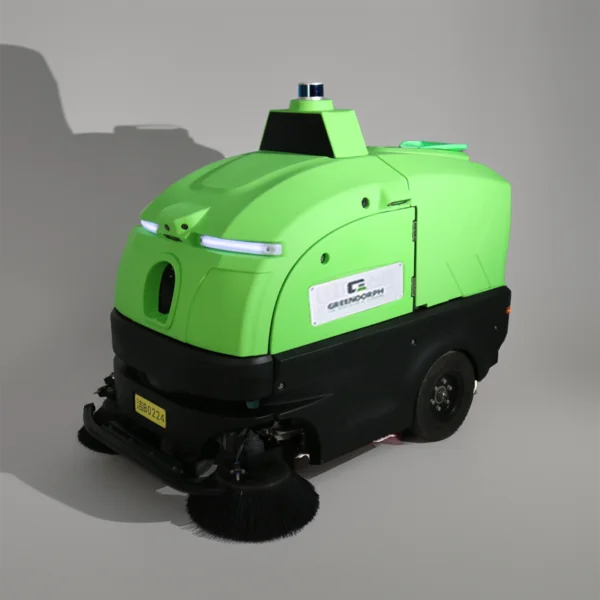
Choosing the right warehouse sweeper is critical for long-term efficiency. At Greendorph, our Auto Sweeper YJ130 demonstrates how advanced engineering supports scalable warehouse sweeping operations. This fully autonomous system is 100% electronically powered and features flexible obstacle avoidance for complex environments. With a cleaning capacity of up to 5760m²/hour, it delivers high-performance warehouse sweeping across large industrial spaces. Its primary cleaning system is enhanced by suction, airflow-assist, and misting spray functions, ensuring comprehensive dust and debris management. Selecting a warehouse sweeper with these capabilities helps businesses achieve consistent cleanliness with minimal manual intervention.
Step 3: Integrating Automation into Daily Operations
Once the warehouse sweeper is selected, integration into existing workflows becomes the next priority. Automated warehouse sweeping should be scheduled during low-traffic hours to maximize efficiency and minimize disruption. Many facilities adopt centralized control systems to monitor multiple warehouse sweeper units simultaneously. This allows managers to adjust cleaning routes, track performance, and optimize warehouse sweeping cycles in real time. Proper integration ensures that automation complements logistics operations rather than interfering with them, creating a seamless balance between productivity and cleanliness.
Advancing Toward Fully Autonomous Cleaning Ecosystems
The future of warehouse sweeping lies in fully connected, data-driven cleaning ecosystems. As warehouse sweeper technology continues to evolve, businesses will benefit from greater autonomy, predictive maintenance, and intelligent route optimization. At Greendorph, we remain committed to developing advanced warehouse sweeping solutions that help industrial clients reduce labor dependency while improving operational standards. Through innovations like the Auto Sweeper YJ130, we are shaping a future where warehouse sweeper systems become essential components of smart industrial infrastructure.