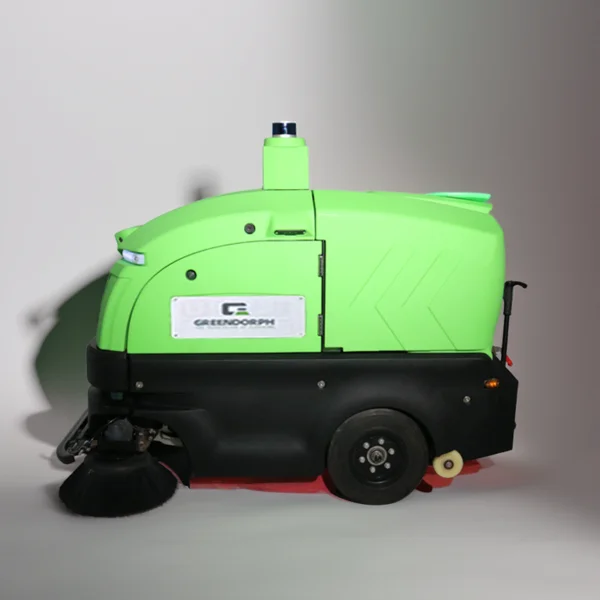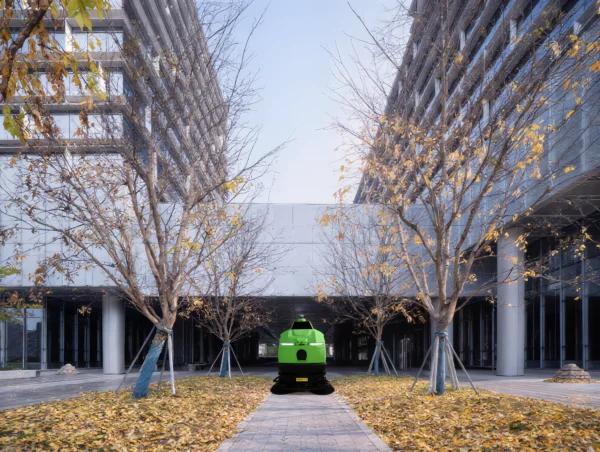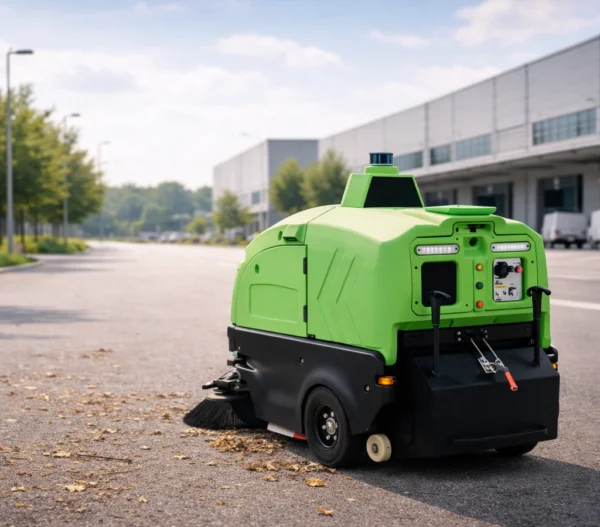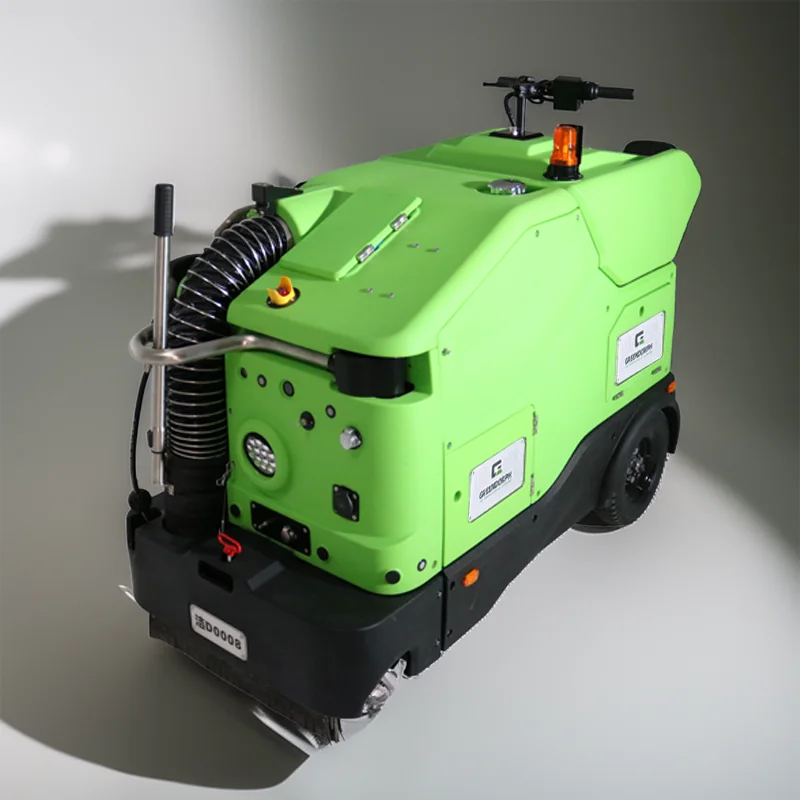
Managing large commercial footprints requires a comprehensive plan to control fine dust settlement, windblown soil, and loose debris. High-traffic transit tracks, factory corridors, and shipping bays experience a constant accumulation of microscopic silica particles that damage floor sealants under heavy tire loads. Left unmanaged, this fine grit acts like an abrasive layer, slowly scratching away protective coatings and creating safety hazards. Utilizing an advanced robot floor cleaner provides facility managers with a systematic, highly predictable framework to handle industrial dust loads efficiently.
Different building sections present distinct surface textures, from smooth polished concrete lobbies to highly porous outdoor paving zones. Relying on outdated manual push brooms frequently kicks up fine dust clouds, worsening localized breathing environments instead of cleaning them. By evaluating critical mechanical features—such as brush torque configurations, wet suppression systems, and centralized remote performance tracking—operations teams can transform their cleaning routines.
Understanding Particulate Dynamics on Commercial Concrete Floors
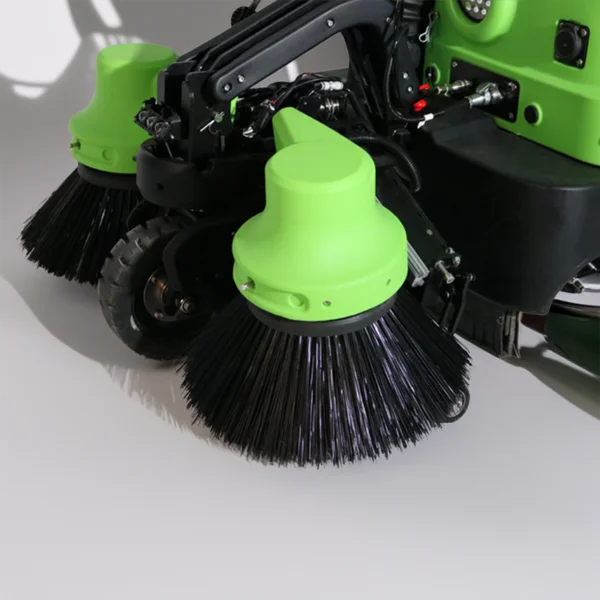
Sprawling industrial complexes accumulate a challenging mixture of coarse gravel, fine carbon soot, paper litter, and sand every day. A robust collection system must create sufficient mechanical sweeping friction and airflow velocity to capture these diverse materials cleanly in a single pass. Standard cleaning gear often struggles to lift microscopic particles out of deep concrete joints without scattering dust into the surrounding air.
Communal paths require rugged utility machinery engineered to pull embedded grime out of textured surfaces safely. Smaller indoor tools lack the physical capacity, battery durability, and sweeping width needed to clear massive acreage consistently. Shifting to heavy-duty automated sweeping hardware provides large facilities receive deep, continuous surface care without putting undue strain on manual crews.
Mitigating Airborne Hazards via Calibrated Fluid Suppression
Dry sweeping across active manufacturing zones easily launches massive dust clouds, creating immediate respiratory discomfort for your workers. Modern dust management relies on a balanced system that uses fine water misters to bind small particles together right before vacuuming. This wet-suppression mechanism traps fine concrete dust securely inside the collection hopper instead of venting it back into the breathing zone.
Using an advanced robot floor cleaner helps keep captured micro-particles contained within the machine during long shifts. High-efficiency fabric filters prevent fine particulate matter from escaping back into public environments, keeping the local air quality clean and healthy. Our design team prioritizes these sealed filtration paths to safeguard indoor environments and sensitive warehouse electronics.
Optimizing Wastewater Containment and Pavement Drying Physics
Leaving dirty water puddles behind on active warehouse floors or retail walkways creates immediate slip hazards for staff and customers. A highly efficient sanitation cycle relies on a heavy-duty squeegee assembly working in close sync with a powerful vacuum motor. This combination lifts the dirty slurry off the concrete immediately, leaving the walkway sufficiently dry and safe for immediate traffic.
Operating a high-capacity auto floor cleaning machine distributes fresh cleaning water and detergent evenly over the entire floor area. Our specialized vacuum systems generate high suction velocity, pulling water even from deep expansion joints and concrete crevices. This rapid moisture extraction prevents slip-and-fall accidents, keeping your daily facility operations running smoothly and safely.
Enhancing Operations via Centralized Remote Monitoring Systems
Managing extensive acreage with a lean maintenance workforce requires a thoughtful shift toward intelligent fleet telemetry. Traditional human-guided sweepers often skip paths or fail to log exact battery utilization rates, leading to unexpected operational bottlenecks. Integrating cloud-based diagnostics resolves this visibility gap by tracking machine performance metrics automatically throughout every active shift.
Greendorph floor sweepers offer optional remote monitoring to track usage, maintenance, and performance, optimizing cleaning operations while reducing downtime and operational costs. At Greendorph, we build these digital connection hubs directly into our autonomous chassis platforms to keep management teams informed. This continuous data flow alerts operations teams to brush wear patterns before unexpected downtime can interrupt facility workflows.
Navigating Restrictive Spatial Layouts with Agile Turning Geometries
Tight storage aisles, narrow pedestrian corridors, and busy building entrances present major navigation obstacles for oversized cleaning machinery. Large utility trucks can easily strike decorative columns or block emergency exits, causing costly structural property damage and logistical delays. Ground teams require compact, highly agile utility platforms engineered to navigate around delicate outdoor benches and unexpected path barriers smoothly.
Our compact autonomous chassis designs incorporate advanced steering setups that allow our specialized robot floor cleaner models to spin in place safely. This spatial agility allows our machinery to turn inside restricted warehouse spaces safely without delaying surrounding forklift traffic. This precision tracking maintains consistent cleaning coverage for hard-to-reach corners with no manual steering needed.
Dust-Resistant Mechanical Design Sustains Stable Air Quality Operations
Industrial particulate-heavy environments impose harsher operational degradation than standard commercial settings. Traditional combustion-powered sweepers rely on exposed belts, circulating hydraulic fluids, and multi-component transmission systems that readily trap fine silica dust and dry debris. Accumulated industrial particulates cause mechanical friction, thermal overload, and intermittent operational faults, which not only trigger frequent repairs but also stir secondary dust dispersion that compromises controlled air quality.
Modern brushless electric drive architecture is purpose-built for dust-intensive industrial scenarios. By reducing exposed wearable transmission components and vulnerable hydraulic assemblies, our automated cleaning machines minimize dust accumulation inside mechanical cavities. This dust-resistant structural design cuts unplanned maintenance demands, stabilizes continuous cleaning operations, and avoids secondary airborne contamination, supporting long-term industrial air quality management.
Emission-Free Electric Operation Eliminates Secondary Industrial Pollution
Industrial air quality control requires continuous, round-shift sanitation without introducing new on-site pollutants. Conventional fuel-burning cleaning units generate constant exhaust particulates and gaseous emissions during operation, exacerbating indoor air contamination and undermining dust mitigation efforts in production and warehousing zones. Such active pollution sources conflict with standardized industrial air purification protocols.
High-density battery systems support up to 8 hours of steady autonomous operation per charge, enabling uninterrupted dust removal across day and night industrial shifts. The battery-electric drivetrain eliminates on-site exhaust emissions effectively, removing secondary pollution sources during sanitation work. This ultra-low emission, long-duration operation sustains stable particulate mitigation effects, helping industrial facilities maintain compliant, clean air conditions throughout prolonged operational cycles.
Our high-capacity battery configurations are designed to run continuously for up to 8 hours on a single charge. This extended operational endurance allows your facility teams to complete expansive outdoor loops with minimal interruption while protecting your community’s peace. This clean electric operation can reduce annual energy costs and produces no localized tailpipe emissions at the point of use.
Conclusion
Achieving high sanitation standards across modern commercial spaces requires replacing manual tools with automated electric utility systems. Implementing a certified, highly maneuverable robot floor cleaner allows property managers to protect floor coatings, control fine dust, and reduce moisture hazards. These quiet, battery-powered vehicles deliver exceptional cleanliness consistency across expansive public plazas while reducing annual repair and labor expenses significantly. Our team remains fully dedicated to engineering the robust, sustainable electric tools required to support grounds crews and keep global facilities pristine.