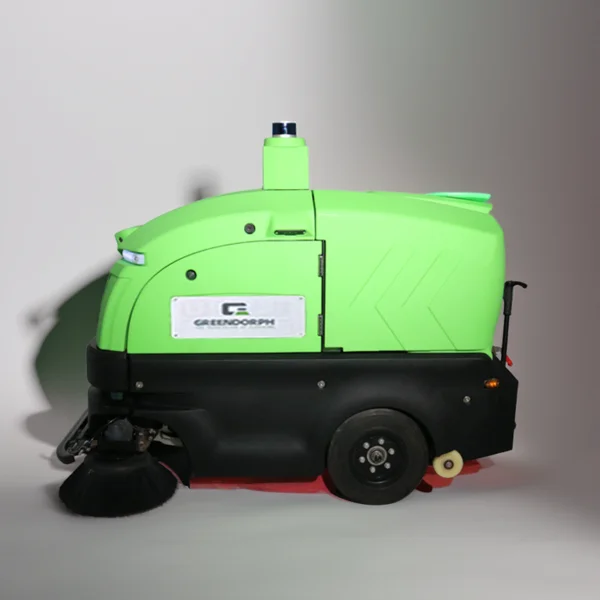
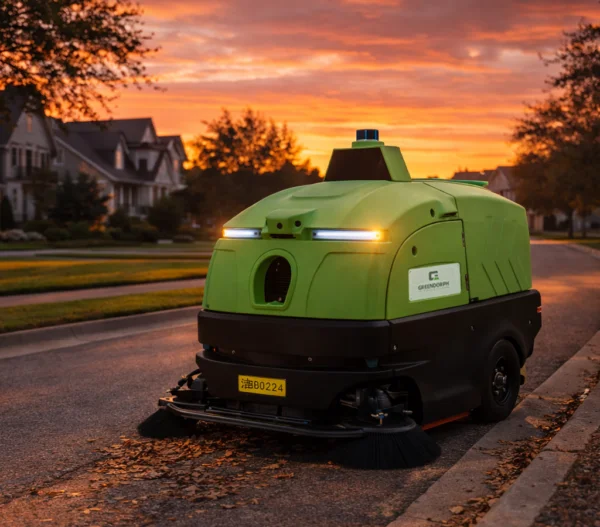
At Greendorph, we have watched property managers and community facility directors stick with traditional fuel-powered equipment simply because “that is how it has always been done.” But when you place a diesel residential floor scrubber machine next to a modern electric alternative, the differences extend far beyond the exhaust pipe. From heritage sensitivity to workforce sustainability, electric technology is proving superior in nearly every measurable category. Here is our side-by-side comparison.
Heritage Sensitivity and Structural Protection
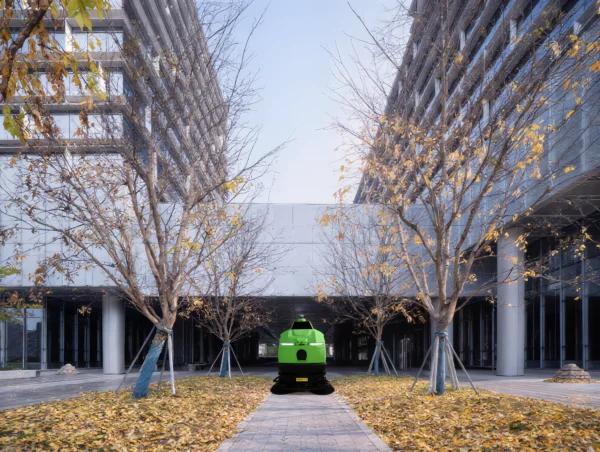
Operating directly in front of landmarks like the Hamilton History Centre means heavy, vibrating diesel machinery is out of the question. Any residential floor scrubber machine deployed in these environments must be gentle on historic infrastructure and quiet enough for a heritage streetscape. Traditional fuel-powered scrubbers generate constant vibration that loosens mortar in old brickwork, cracks decorative tile, and disturbs sensitive foundations. Electric residential floor scrubber units, by contrast, produce minimal vibration and zero exhaust fumes. The YJ130 from Greendorph operates as a 100% electric automatic floor scrubber for home and community outdoor use, ensuring the structural integrity and peaceful atmosphere of heritage sites remain undisturbed. For property managers responsible for historic buildings, this alone justifies the switch.
Workforce Sustainability and Injury Prevention
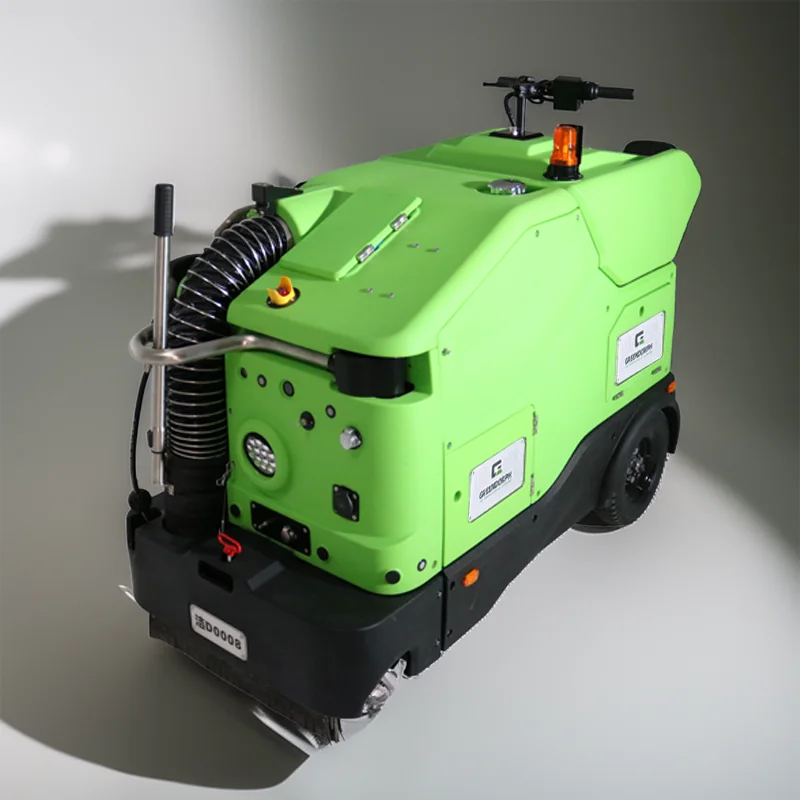
The existing crew at many residential facilities is highly skilled in horticulture or general maintenance. Wasting their energy on repetitive manual sweeping is inefficient and poses a risk of repetitive strain injuries for veteran staff. A truly useful residential floor scrubber — one that simply gets on with the job without constant supervision — is exactly what teams are looking for. Electric models with autonomous or semi-autonomous operation reduce physical strain dramatically. The YJ130 requires no pushing, no vibrating handlebars, and no repeated twisting motions. Operators set the route and let the machine work. Traditional fuel alternatives, even ride-on models, transmit engine vibration directly to the operator’s spine and hands. Over a five-year period, electric residential floor scrubber fleets typically show lower worker compensation claims related to musculoskeletal disorders.
Debris Management on Textured Surfaces
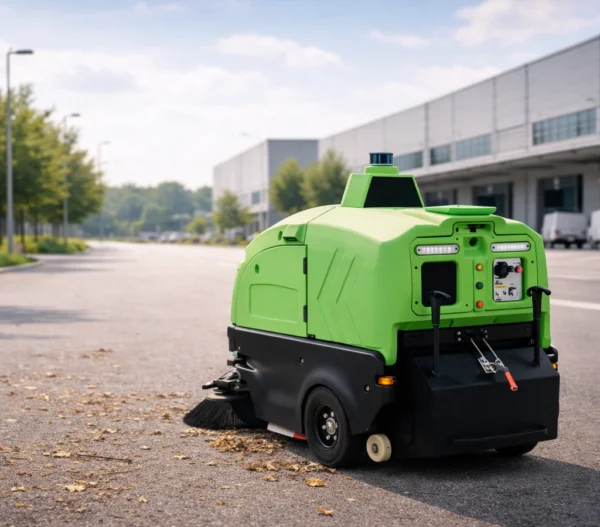
Residential outdoor spaces are rarely uniform. Brick pathways, cobblestone plazas, and uneven pavers create gaps where debris lodges. Powered by a robust 500W vacuum motor, the YJ130 generates concentrated airflow to lift leaves and twigs from uneven brick joints without damaging the surface — something manual brooms often struggle to do consistently. As an automatic floor scrubber for home and community outdoor use, it handles textured surfaces with precision that traditional equipment simply cannot match. Fuel-powered sweepers rely on rotating brushes that flick debris upward, but they cannot create the negative pressure needed to extract material from deep joints. Electric residential floor scrubber systems with integrated vacuum technology remove debris rather than relocating it.
Making the Informed Choice for Your Community
The gap between electric and traditional residential floor scrubber technology has never been wider. At Greendorph, we engineer every solution for real-world community needs — heritage protection, worker safety, and superior surface cleaning. Ready to compare electric residential floor scrubber machine options against your current fuel-powered fleet? Let us demonstrate the total cost of ownership difference on your most challenging surface.