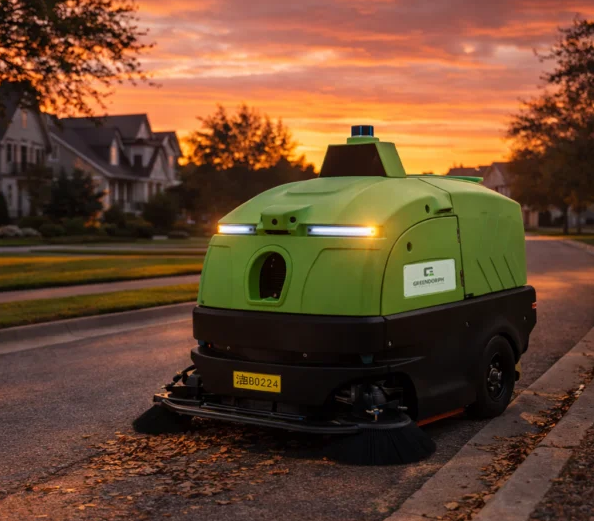
Residential cleaning equipment often works across entrances, walkways, parking areas, courtyards, and other shared surfaces. Dirt, leaves, dust, moisture, and daily traffic can gradually affect brushes, tanks, sensors, wheels, and battery performance. Regular maintenance helps property teams reduce avoidable downtime and keep cleaning results consistent. That is why a residential floor scrubber machine needs a routine covering both cleaning components and operating systems.
Maintenance should match the machine’s workload rather than follow one schedule for every site. An automatic floor cleaning machine for home applications may work for shorter periods, while equipment used in apartment communities can face longer routes and heavier debris. We suggest that property managers base inspections on operating hours, surface conditions, water use, and the waste collected.
Start with a Daily Post-Cleaning Check
Daily care should begin when the machine finishes its route. Operators can remove visible debris from brushes, suction inlets, wheels, and exposed joints before dirt dries or becomes compacted. Hair, leaves, string, and small packaging materials can wrap around moving parts. Removing them early reduces resistance and makes the next cleaning cycle easier to inspect.
Water and waste containers also need attention. Dirty water, sediment, or mixed debris should not remain inside longer than necessary. Emptying the containers after use limits odor and reduces buildup around filters, hoses, and drainage points. If cleaning solution is used, staff should follow the approved dilution method and rinse areas where residue may collect.
Within Greendorph, we view these checks as part of normal equipment management rather than a repair task. Short inspections after each shift can reveal loose parts, unusual wear, leakage, or blocked passages. For B2B property teams, that record also helps supervisors compare machine condition across different sites and operators.
Brushes, Filters, and Water Paths Need Separate Attention
Brushes contact the floor continuously, so their condition directly affects cleaning quality. Staff should check for uneven wear, deformation, trapped debris, or reduced contact with the surface. Worn brushes may leave visible dirt behind even when the machine moves normally. Replacing consumable parts according to condition is more practical than waiting for severe performance loss.
Filters and air passages need a different inspection. Dust can restrict airflow, while wet residue can block water channels. Teams should clean reusable filters according to equipment instructions and replace damaged elements when required. Water nozzles should also be checked for uneven spray patterns, since partial blockage can create inconsistent washing results.
These steps matter when a residential floor scrubber machine operates in mixed environments. Residential communities may include smooth paving, textured outdoor surfaces, garage floors, and narrow edges. Different debris loads place different demands on brushes and filtration, so maintenance records should note where the machine worked, not only how long it operated.
Battery Care Should Follow Actual Operating Patterns
Battery maintenance is easy to overlook because charging appears simple. However, operating time, charging frequency, storage conditions, and repeated deep discharge can influence daily availability. We recommend following the manufacturer’s charging instructions, inspecting connectors, and keeping charging areas clean and dry. Charging habits should also be standardized when several employees share the same machine.
We recommend recording start time, finish time, remaining power, charging events, and unusual drops in runtime. Sudden changes may point to battery condition, route difficulty, added resistance, or another mechanical issue. This information helps a facility team investigate the cause instead of assuming that the battery alone is responsible.
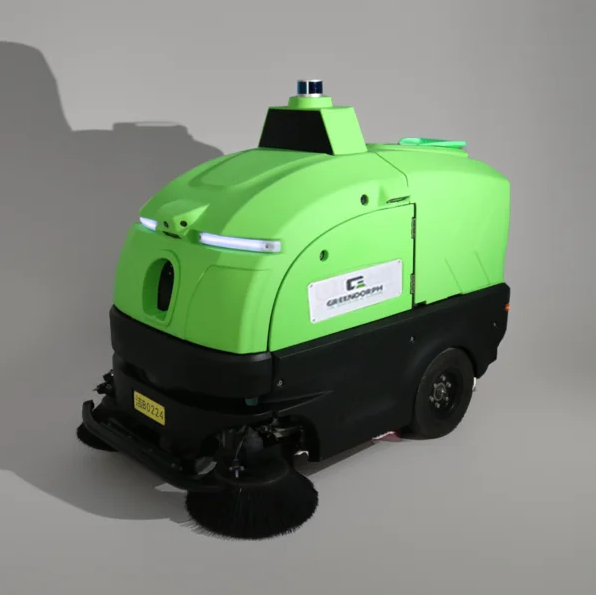
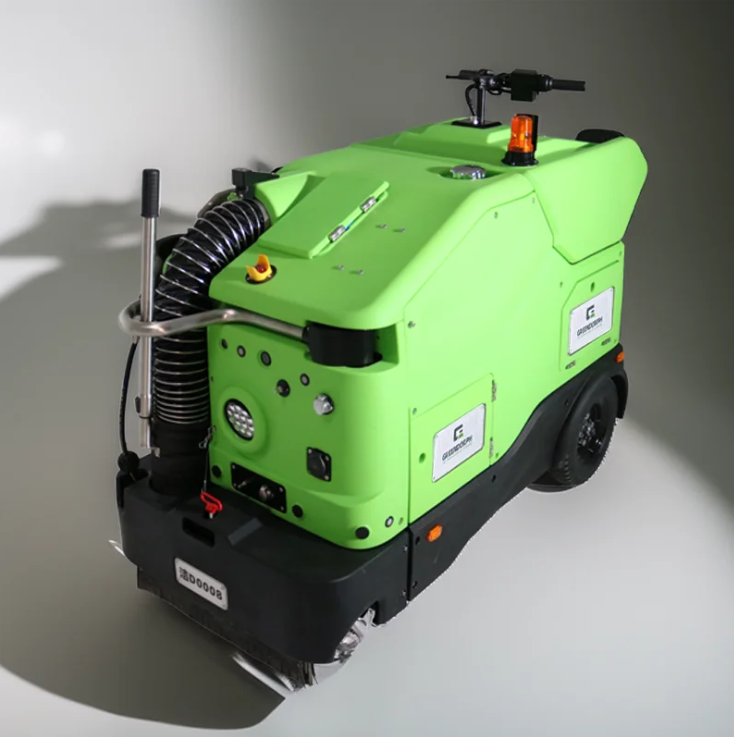
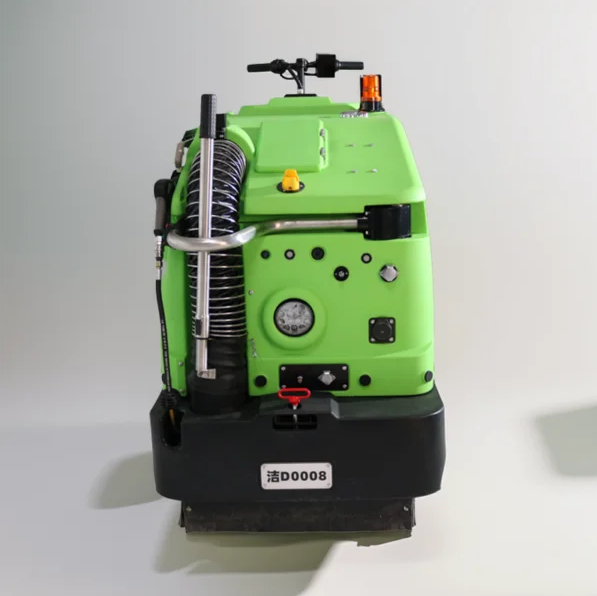
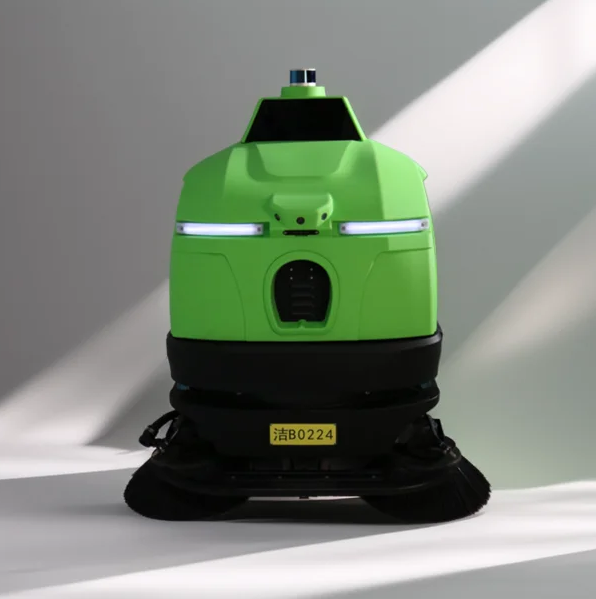
For example, the YJ80 used in larger shared residential environments has a stated operating time of 6–8 hours. It combines several cleaning functions in one unit. When such equipment handles long daily routes, battery checks should be coordinated with brush, wheel, and debris inspections because increased resistance can also affect working time.
Sensors and Mobility Components Require Clean Surfaces
Modern automated and assisted cleaning equipment depends on clear sensing and predictable movement. Dust, mud, water spots, or obstruction around sensors can interfere with normal operation. Staff should wipe sensing surfaces carefully and check that protective covers are not damaged. Cleaning methods should avoid scratching lenses or forcing water into electrical areas.
Mobility parts deserve equal attention. Wheels, steering components, and edge brushes work close to the ground, where they encounter sand, hair, stones, and other debris. Operators should check whether the machine moves smoothly, turns normally, and follows its intended path without unusual vibration or noise.
For larger residential common areas, Greendorph offers the YJ80 with a 120 L water tank, a 100 L waste container, a cleaning width that can extend to 140 cm, and 6–8 hours of operating time. Its auto-follow function uses UWB positioning, while multiple sensors support obstacle detection. These features make sensor, tank, wheel, and brush checks part of routine care.
Keep Maintenance Practical and Consistent
Good maintenance does not need to become a complicated technical exercise. When evaluating an automatic floor cleaning machine for home or shared-property use, buyers should consider how brushes, tanks, filters, batteries, sensors, and mobility parts will be serviced after deployment. Clear checklists, fault records, and defined staff responsibilities make routine care easier to manage.
For residential property teams, the goal is steady equipment availability rather than simply reacting to breakdowns. Daily cleaning, scheduled inspection, accurate records, and correct charging habits create a practical maintenance cycle. When these tasks are linked to actual site conditions, cleaning machines can remain easier to manage across repeated routes and changing seasonal workloads.