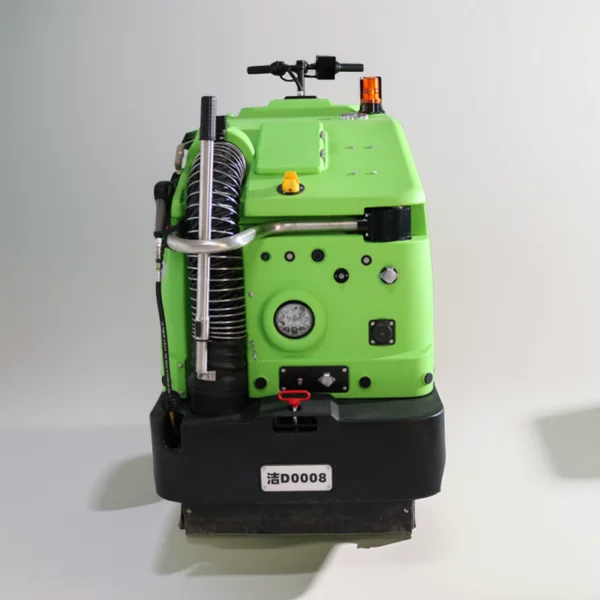
Municipal cleaning equipment is often used in different public environments, so purchasing decisions need to consider practical working conditions instead of only technical specifications. A machine with strong performance on paper may not match every cleaning route, surface type, or operation plan.
For municipalities and cleaning contractors, factors such as dust collection, mobility, energy use, operator workload, and maintenance requirements can influence daily performance. This guide explains the key points buyers should review before selecting suitable equipment for urban cleaning projects.
Identify the Cleaning Environment Before Buying
Before purchasing a cleaning machine, buyers should first understand the areas that require regular maintenance. Roads, sidewalks, pedestrian zones, parking areas, and outdoor facilities may have different cleaning challenges.
For example, wide roads may require equipment with stable operation over longer routes, while narrow sidewalks need flexible movement. The amount and type of debris also affect equipment selection, including dust, leaves, sand, and small waste.
When evaluating a street vacuum, buyers should consider where the equipment will be used and how often cleaning tasks are performed. A clear understanding of the working environment helps teams select functions that match actual requirements.
Check Suction and Dust Control Performance
Suction capability is one of the main factors in a municipal cleaning project. Equipment needs to collect different types of debris while controlling dust during operation. Buyers can review the suction structure, airflow design, and dust suppression methods before making a decision.
Dust control is especially important in urban areas because cleaning activities often happen near pedestrians and public facilities. Water misting or spraying functions can help reduce dust movement and improve the working environment.
Greendorph designs cleaning equipment based on outdoor maintenance needs and considers different application conditions during product development. The company provides solutions for customers who need equipment information for urban cleaning projects.
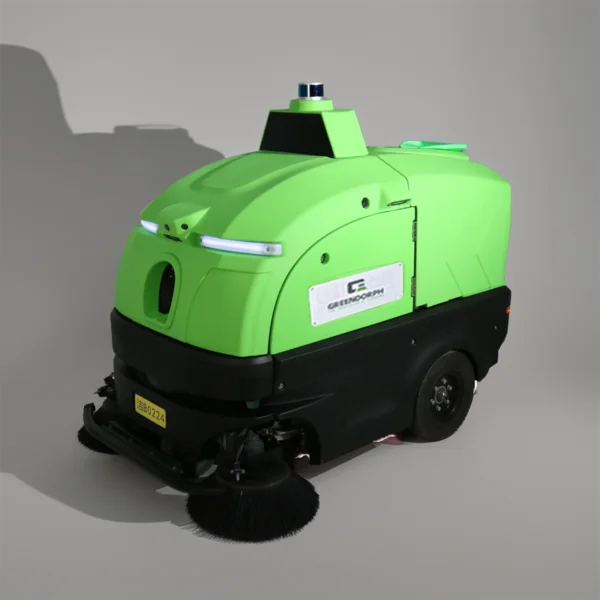
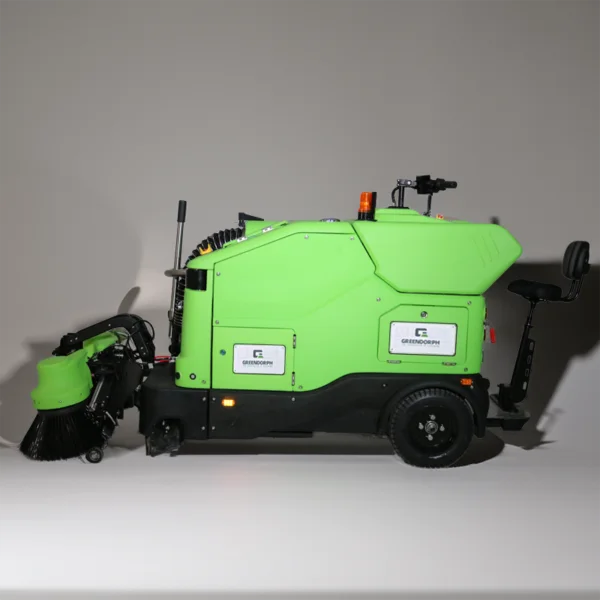
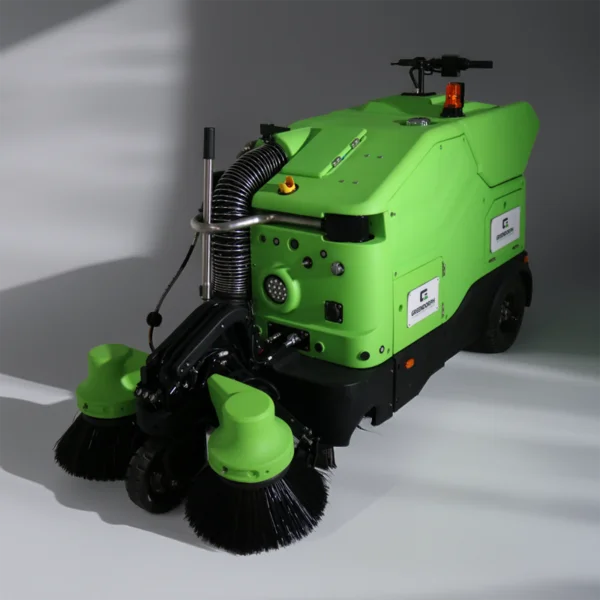
The YJ80 Vacuum Street Sweeper uses a negative-pressure suction system with multiple integrated functions. It combines targeted vacuum-tube collection, dust-suppression misting, turbine-speed airflow blowing, water-spray cleaning, and high-pressure surface flushing for different cleaning tasks.
Evaluate Mobility for Different Urban Areas
Urban cleaning routes often include spaces with different layouts. Equipment size, turning ability, and obstacle detection can affect how smoothly operators complete daily work.
Compact machines may be more suitable for areas with limited space, such as pedestrian plazas, sidewalks, and parking structures. Buyers should check whether the equipment can move through planned routes without creating additional operation difficulties.
The YJ80 Vacuum Street Sweeper is designed with a compact footprint and sensor-fusion obstacle avoidance. These features help it adapt to tighter spaces and different outdoor cleaning environments.
When comparing a road vacuum cleaner machine, procurement teams should review mobility together with cleaning performance. A machine that matches the site layout can help operators complete tasks with fewer movement restrictions.
Compare Power Systems and Operating Costs
Energy type is another important consideration during equipment selection. Municipal buyers need to evaluate charging conditions, working duration, and long-term operating requirements based on their project plans.
Electric cleaning equipment can be considered for areas where lower operating noise and simplified maintenance are important. However, buyers should still review battery capacity and daily workload before choosing a suitable model.
The YJ80 Vacuum Street Sweeper uses a fully electric system and can operate for up to 8 hours per charge. Its design does not include hydraulic circuits, which reduces related maintenance considerations during regular operation.\
Review Control Modes and Operator Efficiency
A cleaning machine should match the working habits of operators. Different projects may require different control methods depending on route conditions, workforce arrangements, and cleaning schedules.
Multiple operating modes can provide more flexibility for different situations. Buyers should understand how controls work and whether operators can use them effectively during daily cleaning tasks.
The YJ80 Vacuum Street Sweeper provides three control modes: manual ride-on, auto-following, and towed traction. These options allow operators to select a suitable method according to specific workflow requirements.
For municipal teams, reviewing operator needs before purchase can help avoid equipment that is difficult to integrate into existing cleaning processes.
Consider Maintenance and Long-Term Use
Maintenance planning should be part of the purchasing evaluation. Regular inspections, cleaning system care, and technical support requirements can affect the overall use experience after equipment installation.
Buyers should review equipment structure, maintenance frequency, and available service information before confirming a purchase. These details can help teams prepare operating plans and reduce unexpected issues.
Greendorph works with partners to provide equipment information and discuss application requirements. Understanding project conditions helps customers evaluate whether the equipment design fits their long-term cleaning plans.
Making the Final Purchasing Decision
Selecting municipal cleaning equipment requires a complete review of the working environment, suction performance, mobility, energy system, operation method, and maintenance needs. Looking at these factors together provides a clearer basis for comparison.
A suitable street vacuum should match the actual cleaning tasks instead of only having certain technical features. By reviewing application conditions first, buyers can identify equipment that supports daily operations.
The final choice of a road vacuum cleaner machine should consider both current requirements and future use plans. A practical evaluation process helps municipalities and contractors select equipment that fits their cleaning routes, operator needs, and maintenance expectations.