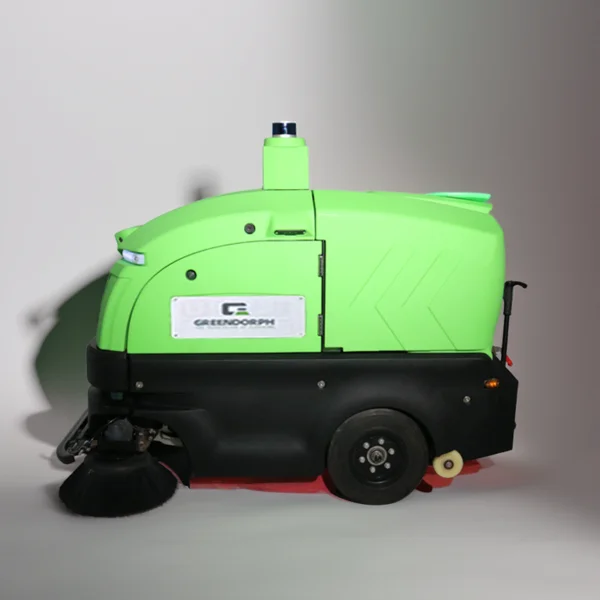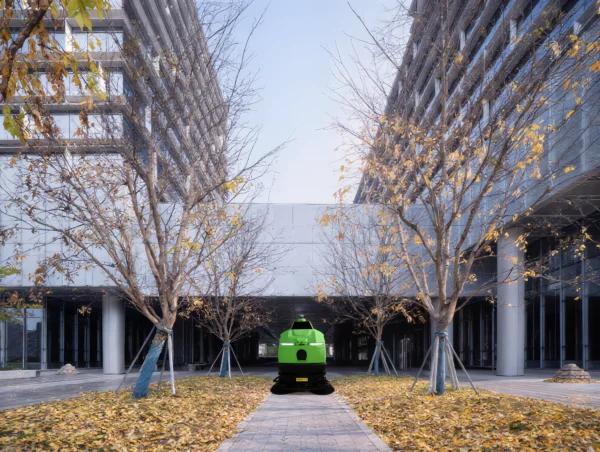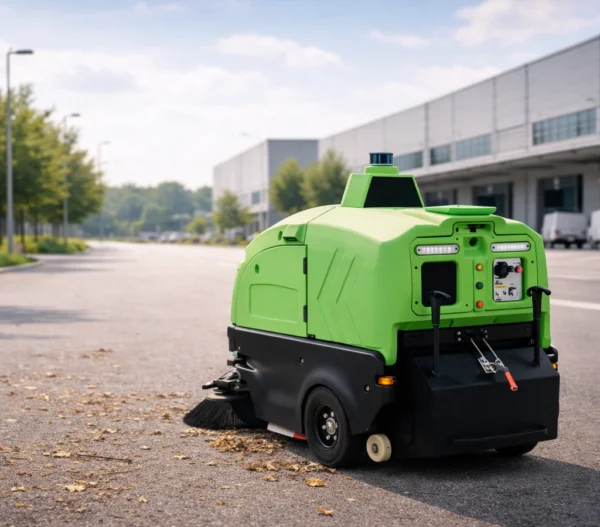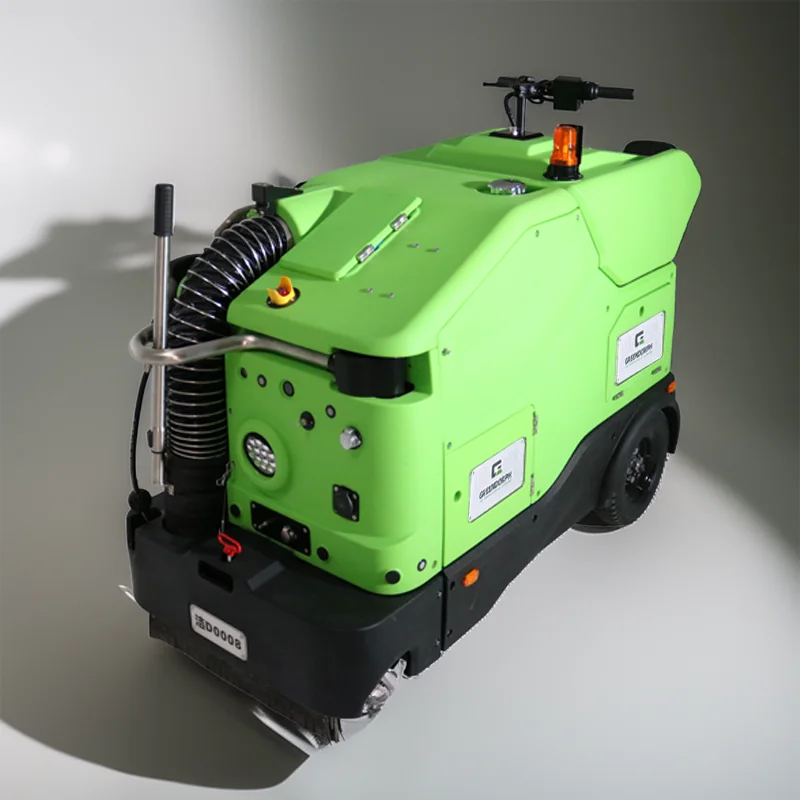
When facility managers evaluate outdoor cleaning methods, the choice between manual brooms and mechanical equipment often comes down to perceived simplicity versus capital investment. Yet the efficiency gap between these approaches is substantial enough to affect labor budgets, safety records, and the consistency of site presentation. We have analyzed this comparison across municipal, commercial, and industrial settings, and the findings consistently show that a road vacuum cleaner machine outperforms manual brooms in three critical dimensions: time per unit area, removal effectiveness for fine particulates, and long-term operational predictability.
Time and Labor Requirements
Manual sweeping relies entirely on human walking speed and physical effort. A single worker with a push broom covers roughly 500 to 800 square meters per hour under ideal conditions, with productivity dropping significantly when debris is wet, compacted, or spread across wide areas. By contrast, a street vacuum equipped with a wide suction nozzle and powered brushes can clean 2,000 to 4,000 square meters per hour, depending on the model and debris load. This four-to-eight-fold increase in coverage directly translates to fewer labor hours allocated to routine cleaning.
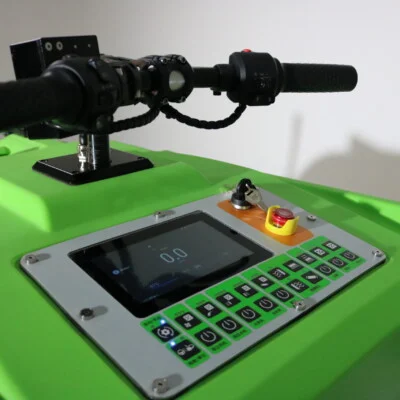
We at Greendorph have observed that organizations transitioning to a road vacuum cleaner machine often reallocate the equivalent of several full-time positions from manual sweeping to higher-value tasks such as facility inspections, landscaping, or equipment maintenance. The street vacuum also eliminates the need for multiple passes to collect fine dust, because its suction system captures particles in one pass rather than merely relocating them. From a workforce efficiency standpoint, the road vacuum cleaner machine delivers more square meters cleaned per labor hour, with less physical strain on employees.
Consistency and Quality of Results
Manual brooms scatter dust rather than containing it. When a worker sweeps a parking lot or service road, fine particulate matter becomes airborne before settling back onto adjacent surfaces. This incomplete removal creates a cycle where the same area requires frequent re-cleaning. A street vacuum addresses this by using a combination of rotating brushes and high-velocity airflow to lift debris directly into a sealed hopper. The road vacuum cleaner machine captures particles across a wide size range—from cigarette butts and leaves down to sand and silica dust—without allowing them to escape back into the environment.
Consistency from run to run represents another advantage. Manual performance varies by individual, fatigue level, and weather conditions. A street vacuum, whether operator-guided or autonomous, applies the same suction power, brush speed, and travel path every cycle. We have seen facilities where switching to a road vacuum cleaner machine reduced the variability in cleanliness scores by over 50 percent, enabling site managers to predict cleaning outcomes with confidence. This predictability is especially valuable for locations subject to regulatory inspections or customer audits.
Operational Costs and Worker Safety
The total cost of ownership for a street vacuum must account not only for the equipment purchase but also for labor, disposal, and liability. Manual brooming incurs continuous labor costs with no scalability; adding more area requires adding more personnel. A road vacuum cleaner machine carries a fixed equipment cost that amortizes over years, while labor hours decline sharply. Additionally, the street vacuum reduces workers’ exposure to traffic, heat, and ergonomic strain associated with repetitive pushing and bending.
From a scientific perspective, the capture efficiency of a road vacuum cleaner machine also reduces the risk of airborne dust inhalation for both workers and nearby pedestrians. Manual brooms resuspend particles into the breathing zone, whereas a street vacuum contains them at the point of collection. This difference supports better indoor air quality when cleaning near building entrances and lowers the overall particulate load on adjacent properties.
Comparing manual brooms to a road vacuum cleaner machine reveals clear advantages in coverage speed, result consistency, and worker safety. The street vacuum automates routine cleaning with efficient coverage, dependable navigation, and consistent results from run to run, transforming outdoor maintenance from a labor-intensive activity into a predictable, repeatable process. For organizations seeking to optimize cleaning operations while reducing physical demands on staff, the road vacuum cleaner machine offers a scientifically grounded alternative that delivers measurable returns in both efficiency and quality.