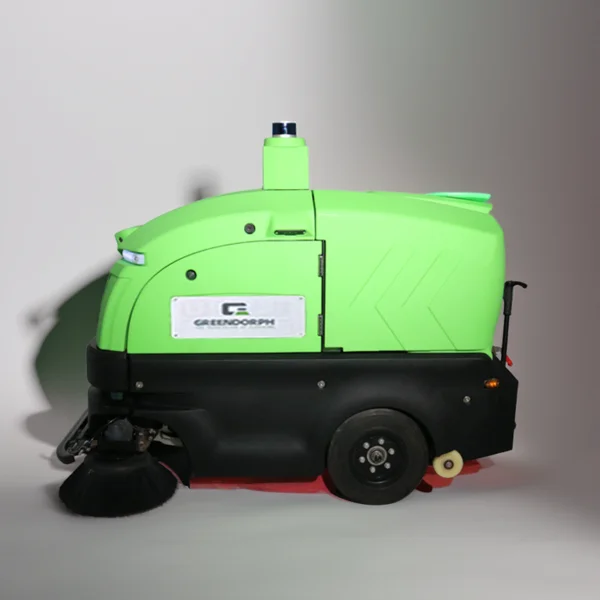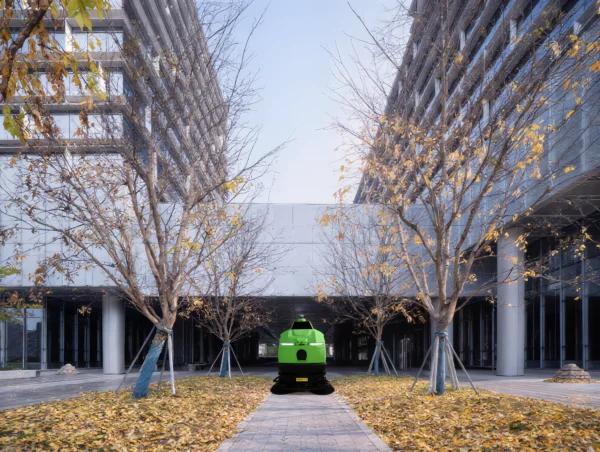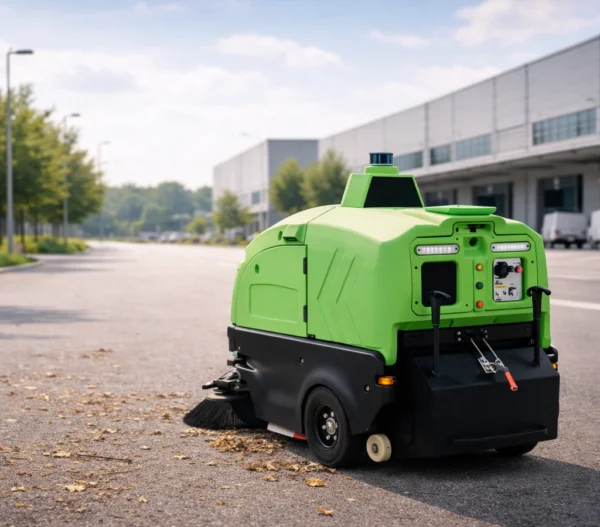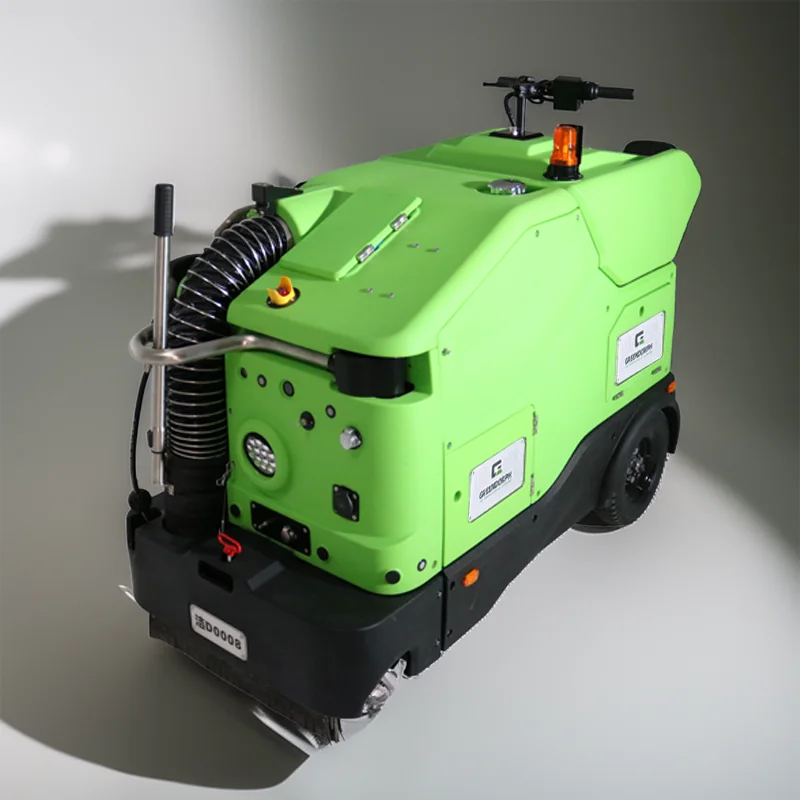
The transition toward sustainable facility management extends beyond buildings and energy systems to encompass the very equipment used to maintain exterior spaces. For organizations committed to reducing their environmental footprint, the choice of cleaning machinery carries measurable implications for carbon emissions, resource consumption, and ecological disturbance. We at Greendorph have examined this question across hundreds of deployment sites and found that an electric sweeper outdoor represents a fundamental departure from conventional cleaning equipment—one that delivers verified environmental advantages through energy efficiency, water conservation, and extended material life cycles.
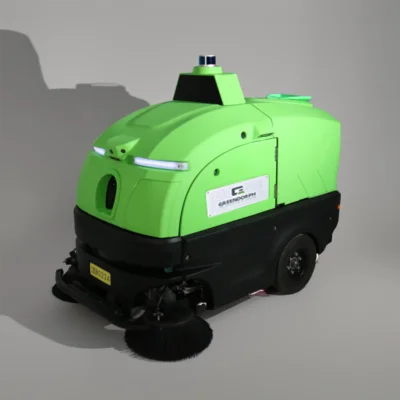
Emissions Reduction Across the Operational Lifecycle
The most immediate environmental distinction of an electric sweeper outdoor lies in its propulsion and power systems. Traditional diesel‑powered sweepers emit not only carbon dioxide but also particulate matter, nitrogen oxides, and volatile organic compounds during operation. These emissions occur in the very spaces being cleaned—parking lots, campus walkways, municipal plazas—where pedestrians, students, and employees are present. An electric sweeper outdoor eliminates tailpipe emissions entirely. When paired with renewable energy sources for charging, the carbon footprint per hour of operation approaches zero. However, the emissions advantage extends beyond the absence of exhaust. Electric drivetrains convert stored energy to mechanical work with efficiency exceeding 85 percent, whereas internal combustion engines in comparable applications operate at approximately 25 to 30 percent thermal efficiency. This fundamental thermodynamic difference means that even when charged from grid power, an electric sweeper outdoor consumes less primary energy per square meter cleaned than its diesel counterpart. For organizations with science‑based emissions targets, this efficiency gap provides a quantifiable pathway to reducing scope 1 and scope 2 emissions associated with grounds maintenance.
Water Conservation Through Precision Application
Water usage represents another environmental dimension where intelligent electric platforms outperform conventional designs. Many traditional sweepers rely on continuous water spray to suppress dust, often applying more water than necessary and contributing to runoff that carries sediments into stormwater systems. We have engineered our outdoor robot cleaner platforms with closed‑loop water management that modulates spray based on real‑time dust concentration and surface moisture readings. This precision reduces water consumption by significant margins compared to fixed‑rate systems. In regions facing water scarcity or stringent stormwater discharge regulations, this capability carries both environmental and compliance value. Furthermore, reduced water usage means fewer refill trips, which in turn lowers the energy consumed by support vehicles and reduces the overall operational footprint of the cleaning program. When scaled across a fleet operating daily, the cumulative water savings translate into measurable reductions in demand on local municipal water supplies.
Material Longevity and Waste Reduction
A less visible but equally important environmental benefit relates to component life and waste generation. Conventional sweepers often subject brushes, filters, and mechanical components to uniform wear regardless of actual cleaning demand. An electric sweeper outdoor equipped with adaptive control systems varies brush pressure, rotation speed, and suction intensity based on debris load detected by onboard sensors. This selective engagement extends the usable life of consumable components—brushes last longer, filters require replacement less frequently, and structural components experience fewer stress cycles. From a lifecycle assessment perspective, extending component life reduces the material throughput associated with manufacturing, packaging, and transporting replacement parts. Additionally, the electric powertrain contains fewer moving parts than diesel systems, resulting in lower lubricant consumption and reduced hazardous waste generation from oil changes. For organizations tracking waste reduction metrics, the shift to electric sweeping technology contributes to goals beyond carbon reduction, addressing material circularity and resource efficiency.
The environmental case for an electric sweeper outdoor rests on three verifiable pillars: elimination of operational emissions combined with superior energy efficiency, precision water application that reduces consumption and runoff, and extended component life that lowers material waste. These advantages distinguish electric platforms from conventional equipment that, while functionally adequate, carry an environmental cost that becomes increasingly difficult to justify under modern sustainability standards. As organizations face mounting pressure to demonstrate measurable progress on climate and resource goals, the adoption of outdoor robot cleaner technology represents a practical, data‑supported intervention. By selecting equipment that aligns cleaning performance with environmental responsibility, facility operators can maintain high standards of cleanliness while advancing the broader sustainability commitments that define responsible stewardship.