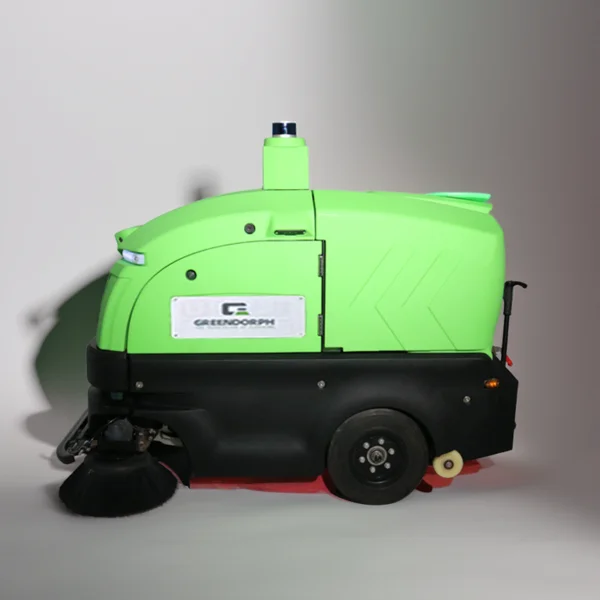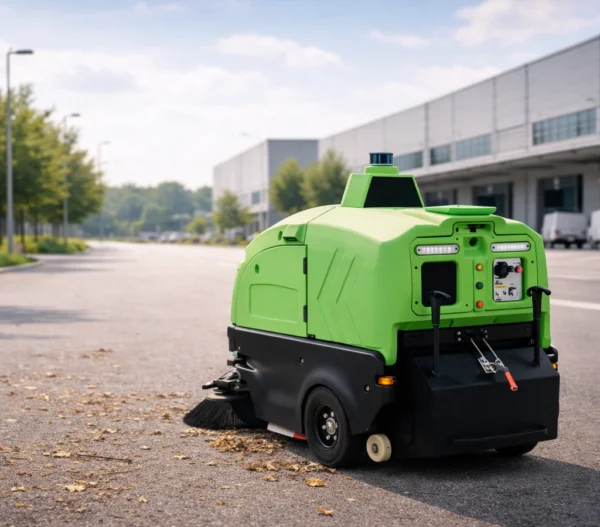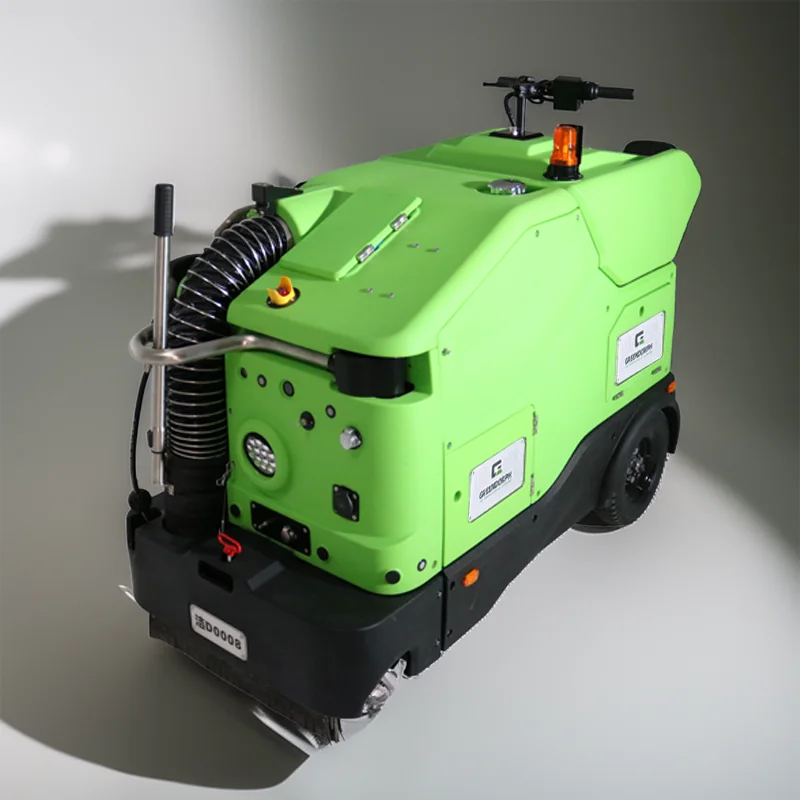
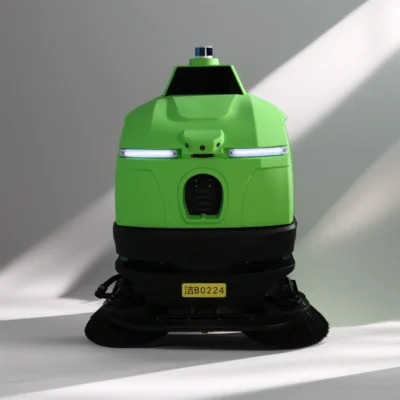
The cleanliness of a finished floor depends as much on the contact surface as it does on the power of the machinery itself. When we configure a robot floor cleaner for industrial environments, the pad density becomes a critical variable that dictates how effectively debris is lifted without damaging the underlying surface. At Greendorph, we treat pad selection as a specialized task, knowing that the wrong material can lead to uneven wear or poor hygiene results. Balancing friction, absorbency, and durability is essential for achieving a streak-free finish that meets professional sanitation requirements every time.
Analyzing Pad Composition and Surface Compatibility
The texture of the pad dictates how the machine interacts with your specific flooring, whether it is polished concrete, epoxy, or high-traffic tile. Using an overly abrasive pad on a sensitive surface will cause micro-scratches that eventually dull the shine, while a pad that is too soft will fail to remove stubborn industrial grime. When we assess a floor scrubber automatic unit, we test various pad materials to find the specific grade that balances removal power with surface protection. Proper identification of your floor material allows for a more focused approach, ensuring that your equipment remains an asset to your facility aesthetics rather than a source of long-term damage.
Optimizing Contact Pressure and Cleaning Efficiency
Efficiency in automated cleaning relies on the calibrated pressure applied by the robot floor cleaner as it moves across the designated path. If the pad is not properly seated or the material is inconsistent, the machine will struggle to maintain uniform contact, resulting in patches of missed debris. We find that high-quality, synthetic fiber pads provide the most predictable results because they retain their shape and structural integrity under prolonged pressure. At Greendorph, we recommend tracking the hour-meter on your pads just as you would for your hardware, replacing them once they reach their threshold to maintain the quality of the cleaning cycle.
Integrating Consumables into Your Maintenance Routine
Standardizing the use of specific pads within your floor scrubber automatic fleet simplifies the procurement process and ensures repeatable outcomes across your entire facility. We encourage maintenance managers to keep a variety of pad grades on hand to account for different areas, such as high-gloss office lobbies versus heavy-duty warehouse storage zones. By documenting which pads perform effectively in specific sectors, you reduce the time wasted on trial and error. Our team at Greendorph helps you refine these internal standards, ensuring that your automated hardware is always equipped with the materials necessary for high-volume sanitation tasks.
Sustaining Performance Through Strategic Pad Management
Success in facility maintenance is defined by the quality of the details, and the choice of cleaning pad is one of the most significant factors in your overall output. By focusing on surface compatibility, consistent contact pressure, and rigorous replacement schedules, you can ensure your floor remains in excellent condition. We emphasize that a disciplined approach to these consumables will extend the life of your equipment and provide the high-quality results your operations demand. When you align your pad materials with your specific floor requirements, you guarantee a more efficient, reliable, and cost-effective sanitation program for the long term.