Transportation hubs are difficult to clean because people, vehicles, dust, leaves, packaging waste, and food debris can share the same area. An outdoor floor sweeper should be deployed according to traffic flow, surface type, operating hours, and cleaning demand. Poor placement can cause frequent stops.
For stations, terminals, transfer centers, and parking areas, deployment should be planned as a system. We divide the site into cleaning zones, then match routes, schedules, charging points, and maintenance tasks. This helps an outdoor robot cleaner work with fewer interruptions.
Start With a Clear Site Map
Transportation hubs contain plazas, drop-off lanes, sidewalks, waiting areas, service roads, and narrow edges near curbs. These spaces should not share one identical route. Open areas allow longer straight runs, while crowded entrances need shorter routes and more frequent path adjustments.
We recommend mapping fixed objects before operation begins. Columns, benches, signs, barriers, planters, and curb lines should all be considered. Queues, parked carts, or maintenance equipment can also change the usable path.
A practical map should separate cleaning from vehicle movement. Bus lanes, taxi zones, and delivery areas may need work during low-traffic periods. Pedestrian areas can require slower operation. Route planning should reflect how each part of the hub functions.
Match Cleaning Time to Passenger Flow
The same route can perform differently at 5 a.m. and 5 p.m. Passenger peaks increase obstacle frequency and reduce continuous cleaning time. Heavy sweeping is therefore often more practical before opening, after peak periods, or during quieter service windows.
Daytime tasks can focus on visible litter, dust control, and specific problem zones. Instead of repeatedly sending a machine through a crowded route, operators can assign shorter jobs around entrances, outdoor waiting areas, or service corridors.
This scheduling method improves equipment use. Larger routes can be completed when traffic is low, while smaller corrective tasks can be handled later. It also makes task duration easier to measure.
Select Functions for the Type of Debris
Transportation hubs rarely produce only one type of waste. Dry leaves may collect along curbs, fine dust can settle near vehicle lanes, and light packaging may move with airflow. The cleaning setup should reflect these differences instead of relying on sweeping alone.
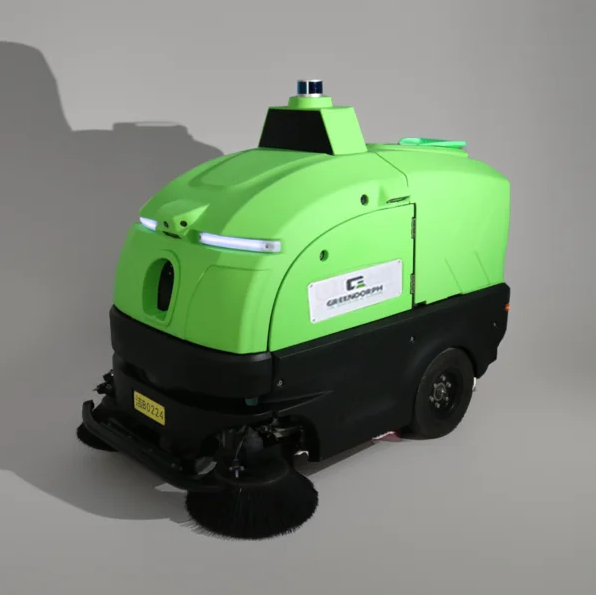
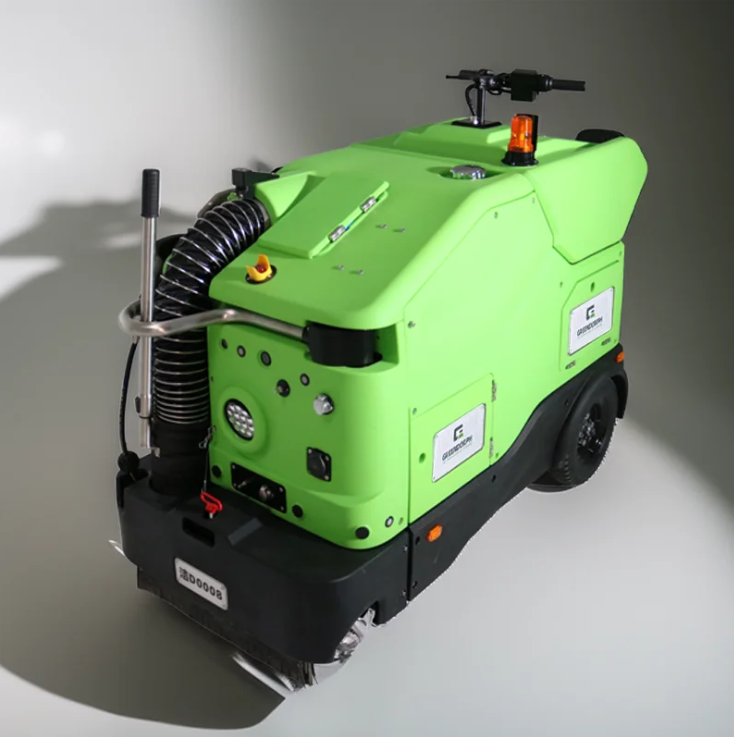
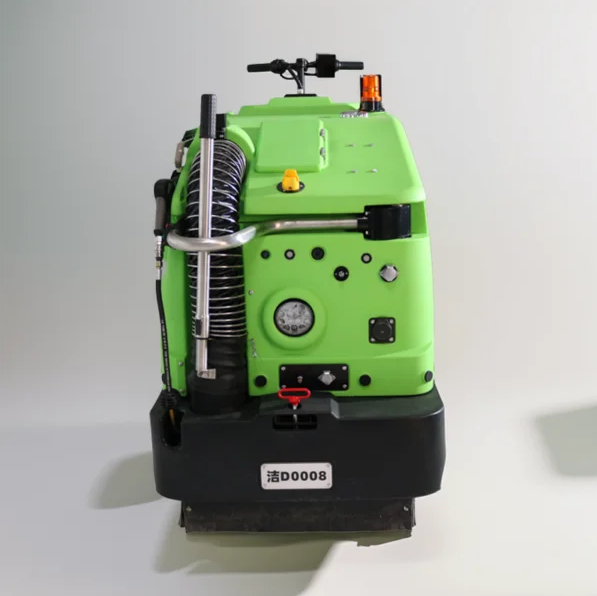
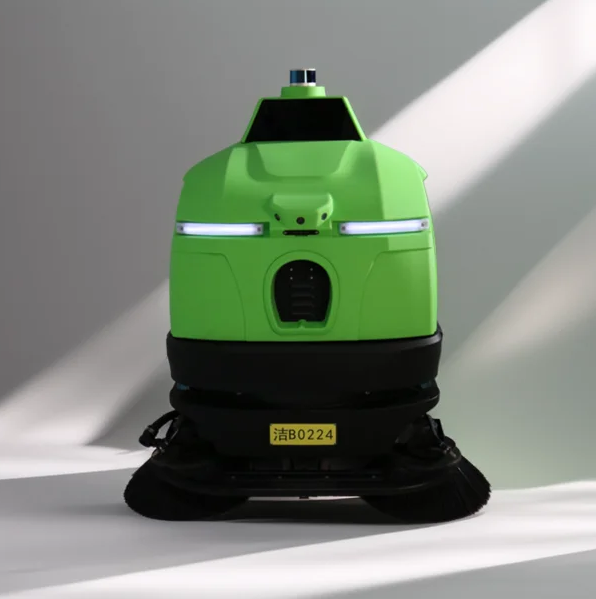
Our Auto Sweeper YJ130 combines a primary cleaning system with suction, airflow-assist, and misting spray functions. It can operate continuously for about 6–8 hours. Its specified cleaning efficiency is above 95%, supporting planned work across large outdoor areas.
At Greendorph, we treat these functions as tools for different site conditions. Misting can support dusty sections, while suction and airflow assistance can help where lighter debris is common. The operating mode should follow the debris profile across the hub.
Build Safety Into Route Design
Autonomous operation depends on careful route design. Cleaning paths should avoid unnecessary conflict with buses, service vehicles, cyclists, or heavy pedestrian flows. Wider turning areas are useful at route ends, while narrow passages may need lower speeds or separate operating periods.
YJ130 uses multi-sensor perception for obstacle response and autonomous outdoor work. In a transportation hub, this capability is more useful when routes follow stable traffic patterns. Sensors support the route, but they should not replace separation between cleaning areas and busy transport lanes.
Facility teams should review emergency access points and temporary construction zones. Routes may need adjustment when barriers are added or entrances are redirected. Regular map checks keep the plan aligned with site conditions.
Plan Refill, Charging, and Task Recovery
Strategic deployment also considers what happens when the machine needs water, waste-bin service, or charging. Support points should be away from passenger bottlenecks but close enough to limit non-cleaning travel.
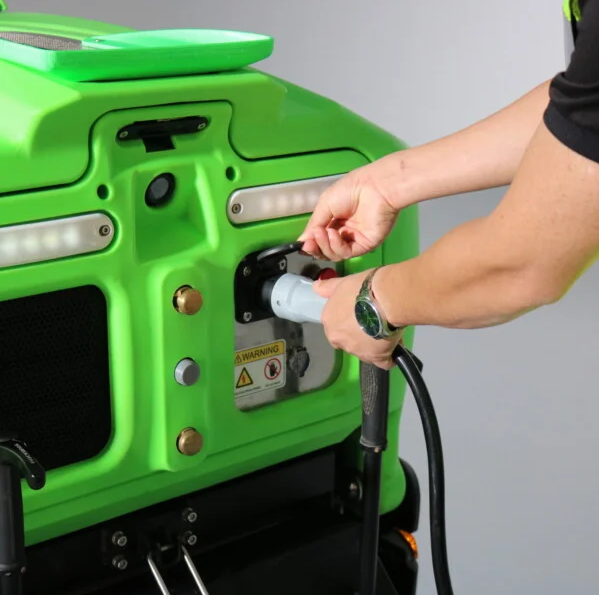
For large hubs, task recovery is useful. YJ130 can record cleaning progress when work stops for charging, water refill, or bin emptying, then continue from the interrupted point after service. This reduces repeated coverage and makes long routes easier to manage.
An outdoor robot cleaner needs a clear operating routine. Teams should define checks for water level, waste capacity, route status, and abnormal alerts. Automation handles routine driving, while these steps support daily operation.
Use Performance Data to Adjust Deployment
Initial routes should not remain unchanged simply because they worked on the first day. Cleaning teams can review route duration, interruption frequency, repeated obstacle points, and areas where debris returns quickly. These observations help refine schedules and zone boundaries.
An outdoor floor sweeper may work efficiently in a broad plaza but spend too much time stopping in a narrow pickup area. Moving the task to a quieter time or dividing one route into smaller sections can improve output without changing the hardware.
At Greendorph, we view deployment as an operating process rather than a fixed setup. Product capability matters, but site planning, task design, and routine review determine how effectively that capability supports a transportation environment.
Let the Cleaning Plan Follow the Hub
Transportation hubs change by hour, day, and season. Passenger flow, weather, leaf fall, events, and construction can all alter cleaning demand. A useful deployment plan should remain adjustable rather than fixing one route and one schedule for the whole year.
The stronger approach is to match equipment capability with real site behavior. When zones, timing, debris types, safety rules, and support points are planned together, autonomous sweeping can become a practical part of facility operations instead of a separate technology project.