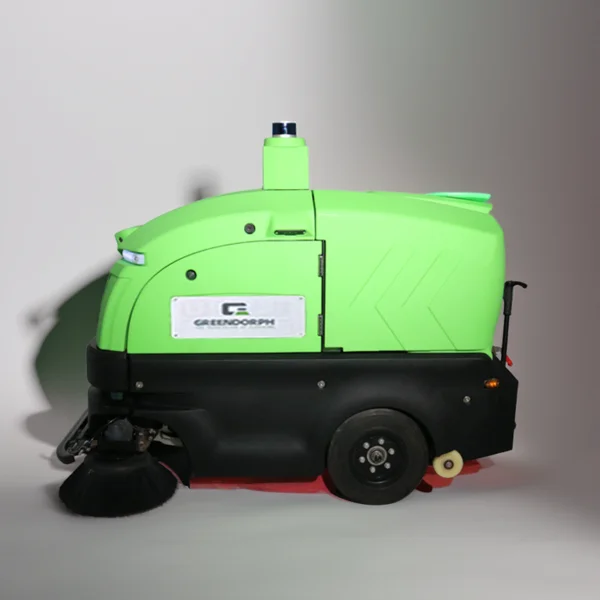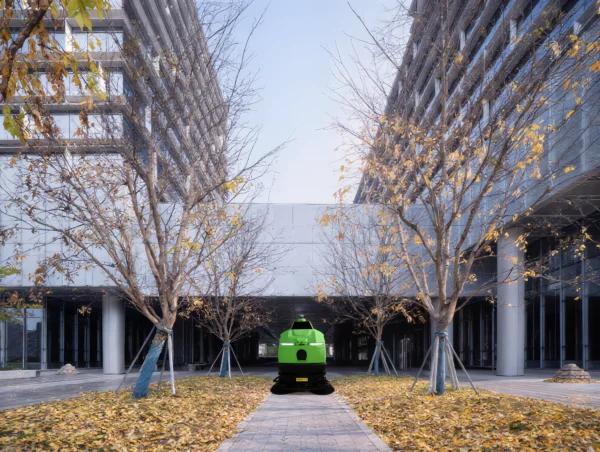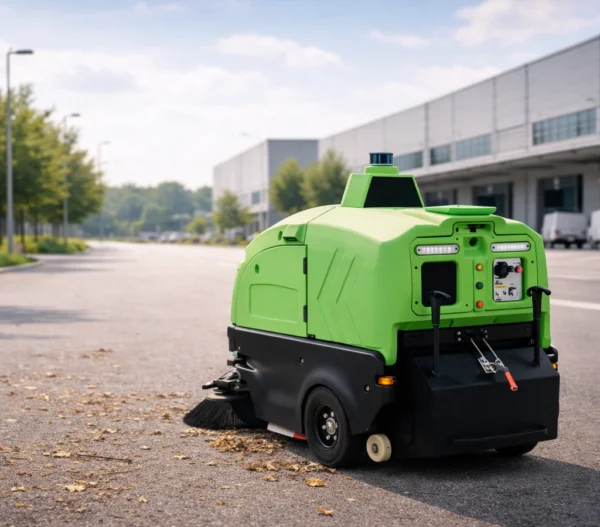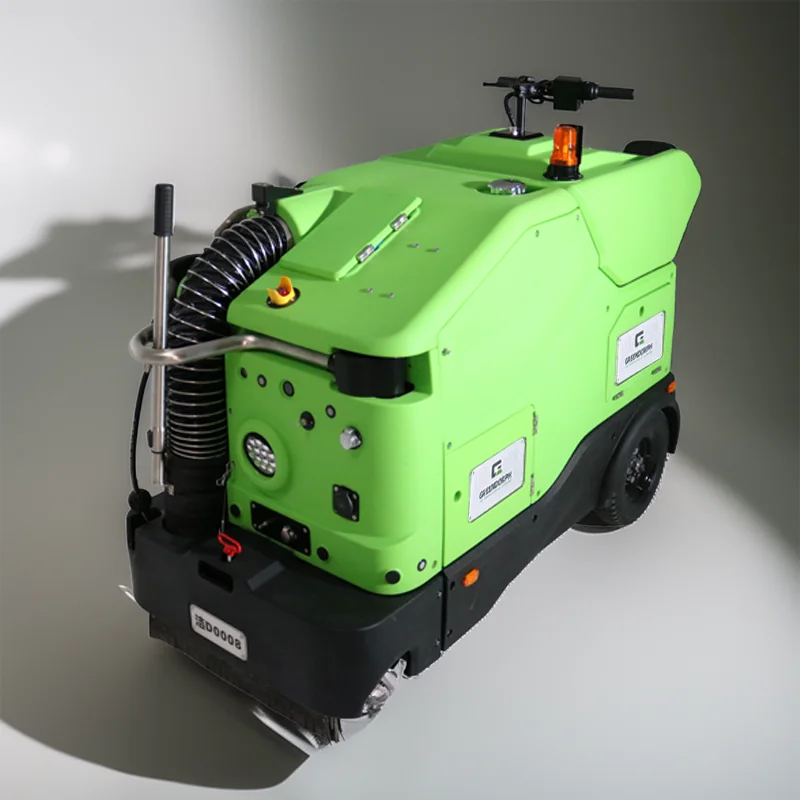
Imagine a retail plaza or transport terminal where pavements stay smooth, crack-free, and sealed for years—despite constant traffic and weather exposure. That’s the result of a structured maintenance plan built around a specialized parking lot sweeper. By systematically removing dust, trash, and gravel before they can be ground into the surface, this equipment protects concrete from cracking and sealant from failing. It’s not just cleaning—it’s preservation. Our sweepers give grounds teams the repeatable system they need to safeguard pavement investments and maintain a pristine public image.
Developing an efficient cleaning routine requires matching the physical layout of your outdoor assets with the right sweeping machinery. Traditional manual sweeping is far too slow and physically exhausting to handle large-scale debris drops uniformly across sprawling commercial properties. By evaluating critical mechanical parameters—such as brush torque configurations, negative-pressure vacuum extraction, and operator controls—operations teams can significantly reduce their clean times. Implementing systematic parking lot sweeping schedules keeps busy transit lanes clear, highly slip-resistant, and visually professional for daily visitors.
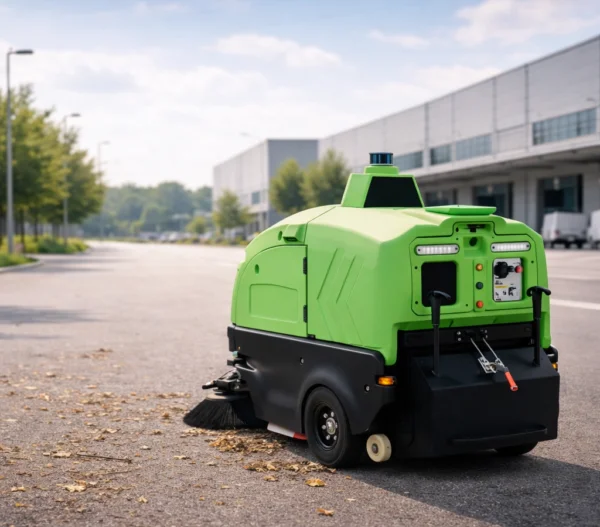
Designing Systematic Cleaning Loops to Maximize Ground Coverage
Developing a highly productive sweeping path requires identifying the specific zones in your facility that gather the most dirt and experience the heaviest traffic. High-activity shipping docks, main entry gates, and primary transit lanes naturally collect heavy debris, such as wood splinters, gravel, and discarded packaging, very quickly. Conversely, secondary parking spaces and quiet perimeter zones collect mostly fine, settled atmospheric dust over longer periods.
Categorizing these distinct areas allows maintenance supervisors to assign the right cleaning frequencies to different zones. High-traffic lanes may require multiple sweeps during a single shift, while quiet areas might only need a daily pass. This strategic distribution of resources prevents equipment wear on clean surfaces and assures that heavily soiled lanes are cleaned promptly.
Understanding the Mechanics of Powerful Debris Collection
A robust collection system must combine physical sweeping friction with high-velocity airflow to capture diverse materials cleanly in a single pass. Standard light-duty vacuum sweepers often struggle to lift heavy gravel or wet, compacted leaves out of deep concrete crevices. Specialized heavy-duty sweeping brushes loosen stubborn surface dirt, allowing the high-suction vacuum system to lift and deposit waste securely into the hopper.
Utilizing a high-performance parking lot sweeper affirms that expansive paved plazas and neighborhood access roads receive deep, consistent care. This heavy-duty mechanical approach prevents the long-term deterioration of paving blocks caused by embedded particulate matter grinding under vehicle tires. At Greendorph, we design our collection systems to capture varied debris profiles cleanly without requiring manual pre-sorting by operators.
Simplifying Machine Controls to Optimize Crew Training
Sustaining continuous grounds care across extensive commercial properties with a lean maintenance workforce requires a thoughtful shift toward intuitive machinery. Complex control panels with dozens of confusing levers and digital screens increase operator errors and require long, costly training programs for new staff. Choosing equipment with straightforward, user-friendly controls allows your team to master the machines quickly and run safe, efficient cleaning shifts.
Our engineering focus centers on keeping the operator interface as straightforward and stress-free as possible. This user-friendly control layout allows your team to clean efficiently with minimal training, ensuring that operations run smoothly from day one. At Greendorph, we build our systems to handle heavy-duty outdoor soil loads while requiring minimal physical effort from your ground crew.
Lowering Engine Complexity to Control Annual Repair Budgets
Traditional sweeping vehicles with internal combustion engines feature complex hydraulic lines, direct drive belts, and delicate fluid pumps that require frequent, specialized maintenance. Dusty outdoor operating conditions accelerate wear on these moving parts, leading to sudden hydraulic leaks and expensive workshop repair bills. Transitioning to direct-drive systems simplifies the underlying mechanical layout, reducing these common failure points and reducing upkeep costs.
Our advanced mechanical designs focus on reducing moving parts to minimize wear and prevent unexpected breakdowns during busy cleaning shifts. Utilizing our YJ130 and YJ80 power sweepers for parking lots secures long-lasting performance and helps you lower your annual repair expenses significantly. Keeping the underlying machinery simple keeps your maintenance vehicles active on the ground, delivering reliable results shift after shift.
Minimizing Dust Dispersion with Sealed Wet Suppression Systems
Dry sweeping across dry concrete decks often kicks up dense dust clouds, exposing drivers and pedestrians to unhealthy airborne particulates. Modern dust containment relies on a balanced system that uses high-pressure water misters to bind small particles together right before vacuuming. This wet-suppression mechanism traps fine concrete dust securely inside the collection hopper instead of venting it back into the facility.
Completing systematic parking lot sweeping with built-in dust suppression keeps your outdoor air fresh and healthy. High-efficiency fabric filters prevent fine particulate matter from escaping back into the public air during long cleaning shifts. Our technical teams prioritize these sealed air pathways to protect local urban environments and safeguard residential neighborhoods from airborne dust.
Conclusion
Securing high safety standards across modern public spaces requires replacing manual tools with automated electric utility systems. Implementing a certified, highly maneuverable parking lot sweeper allows facility managers to protect floor coatings, control fine dust, and reduce moisture hazards. These quiet, battery-powered vehicles deliver exceptional cleanliness consistency across expansive public plazas while reducing annual repair and labor expenses significantly. Our team at Greendorph remains fully dedicated to engineering the robust, sustainable electric tools required to support grounds crews and keep global facilities pristine.