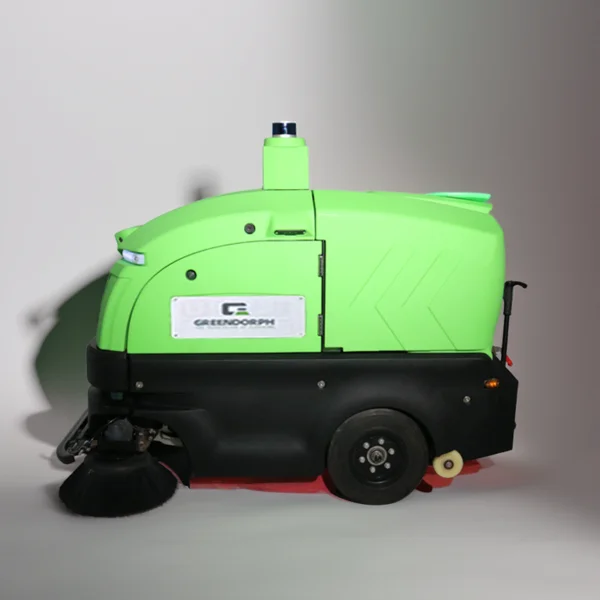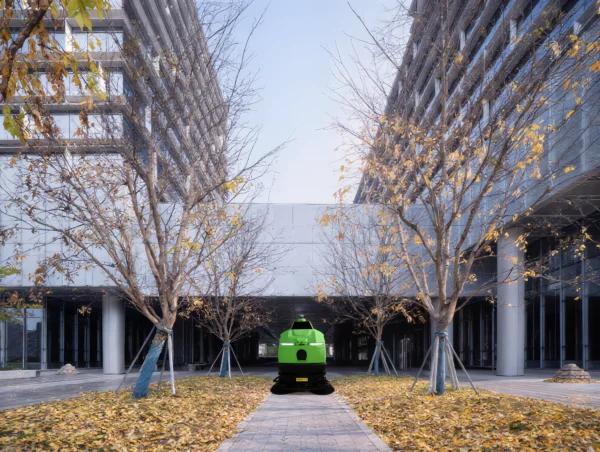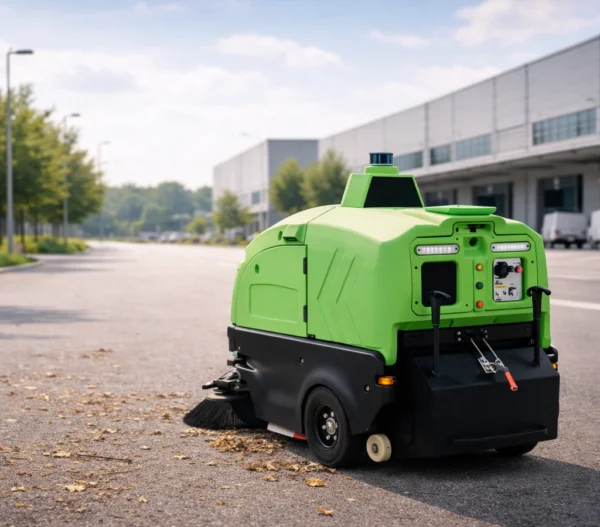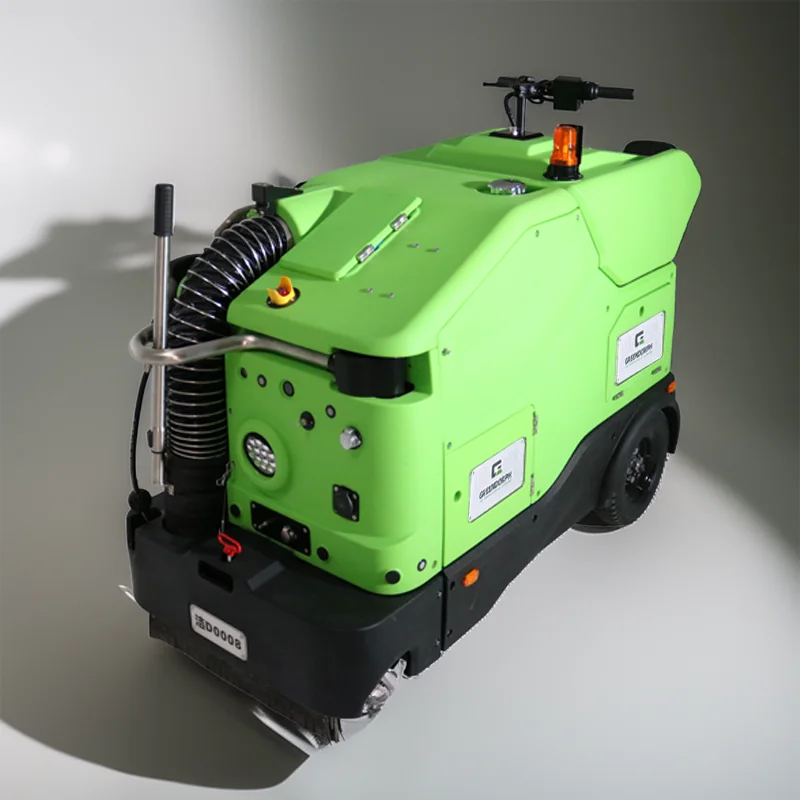
Keeping thousands of square meters of warehouse concrete or airport terminal flooring pristine requires a deeply systematic approach to daily maintenance. Standard manual sweeping methods often fail to cover these expansive layouts uniformly, leading to dusty corners and uneven surface wear. Introducing a specialized robot floor cleaner into your facilities workflow offers a reliable, data-driven way to standardize floor sanitation and preserve your property assets.
Sprawling commercial layouts present diverse physical challenges, from heavy forklift tire marks to fine silica dust. Utilizing an automatic floor sweeper allows cleaning teams to handle these heavy debris loads without raising thick clouds of dust. Deciding between manual labor and specialized mechanical sweeps involves looking closely at physical friction dynamics and long-term asset lifecycle protection.
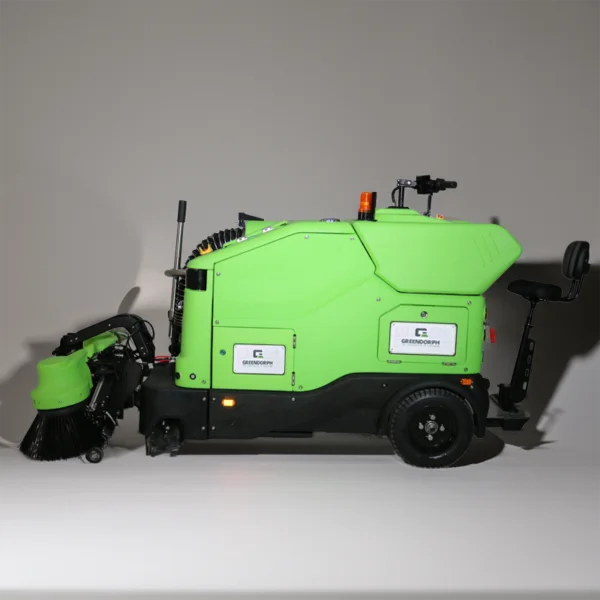
Controlling Micro-Particulates and Enhancing Indoor Air Quality
Dry sweeping across expansive logistics hubs often kicks up dense particulate clouds, exposing workers to harmful airborne silica. Implementing a robust dust containment system is crucial for trapping these microscopic particles before they can settle back down. Deploying an advanced automatic floor sweeper helps capture fine debris securely within a sealed hopper, significantly improving the overall breathing zone.
Integrated dust suppression and misting systems reduce airborne particles, enhance air quality, and minimize rework, ensuring your automatic floor cleaning machine maintains cleaner floors efficiently. Our development team integrates these exact misting nozzles directly behind the primary brushes to bind fine dust particles with water droplets. This dampening effect prevents fine soil from escaping into sensitive manufacturing machinery or clean inventory.
Optimizing Fluid Dynamics for Immediate Safety and Traction
Wet concrete in high-traffic commercial corridors represents an immediate slipping hazard for both staff and pedestrian visitors. Removing soapy wastewater quickly requires a balanced system combining a heavy-duty squeegee with a high-torque suction motor. This mechanical assembly lifts dirty liquid instantly, restoring the floor’s slip-resistance rating immediately after the cleaning cycle.
Utilizing a commercial-grade robot floor cleaner allows facility managers to wash and dry active lanes without blocking pedestrian traffic. The high-velocity vacuum channels pull dirty slurry even from deep tile grout lines and concrete expansion joints. This immediate fluid extraction prevents common workplace slip injuries and keeps daily shipping operations moving smoothly.
Managing Diverse Floor Materials Across Facility Zones
Sprawling logistics centers often feature transitions between highly polished office lobbies and rough, unfinished concrete shipping bays. Standard cleaning equipment can easily scratch sensitive coatings or fail to scrub rough, porous concrete surfaces properly. Applying the correct brush downpressure supports deep soil extraction without wearing down protective topical sealants.
Operating an automatic floor sweeper equipped with flexible composite brushes protects delicate decorative pathways while still lifting heavy gravel. Our team designs adaptive brush assemblies that adjust automatically to different surface profiles, maintaining optimal cleaning friction. This mechanical flexibility delivers an even cleaning finish for all segmented areas within your facility.
Transitioning to Low-Emission Electric Fleets for Silent Shifts
Running loud, diesel-powered sweeping vehicles indoors during overnight shifts creates major noise complaints and fills warehouses with exhaust fumes. Shifting to advanced, battery-powered drivetrains helps facilities run significantly quieter, low-emission cleaning programs during any shift. This near-silent operation allows teams to clean during regular working hours without causing any operational disruptions.
Our high-capacity lithium battery configurations are engineered to run continuously for up to 8 hours on a single charge. At Greendorph, we design our electric motors to maximize power efficiency, helping you maintain consistent cleaning schedules without fossil fuels. This clean electric design lowers your localized carbon footprint while reducing airborne contaminants near the equipment.
Mitigating Labor Shortages and Boosting Operational Output
Persistent workforce shortages and high turnover rates make it incredibly difficult to keep expansive commercial sites consistently clean. Relying on manual sweeping requires too many hours of repetitive, exhausting labor that often results in missed cleaning paths. Upgrading to advanced, automated utility platforms helps bridge this operational gap, turning routine cleaning into a highly efficient workflow.
Introducing a smart robot floor cleaner allows your existing facility staff to focus on complex maintenance and detail work. The autonomous vehicle tracks predetermined pathways precisely, delivering the exact same level of hygiene on every single run. This reliable performance helps lean maintenance teams do more with fewer resources, significantly boosting overall productivity.
Reducing Mechanical Friction to Lower Maintenance Expenses
Complex internal combustion engines contain dozens of moving belts, filter lines, and hydraulic fittings that need constant, expensive servicing. Dusty warehouse environments speed up the wear on these complex components, causing unexpected leaks and costly fleet downtime. Direct-drive electric systems simplify the mechanical design and reduce common maintenance issues associated with hydraulic components.
Utilizing a simplified automatic floor sweeper with brushless electric motors drastically cuts down your weekly maintenance checklists. Our technical design team removes unnecessary drive belts, making the machinery incredibly reliable and much cheaper to operate. This mechanical simplicity maximizes your equipment uptime, keeping your cleaning fleet active on the floor.
Integrating Advanced Sensor Arrays for Obstacle Avoidance
Busy distribution bays and transport terminals are filled with unexpected obstacles, including moving forklifts, temporary pallets, and busy pedestrians. Operating heavy machinery in these active environments requires precise real-time path adjustments to maintain a high level of operational safety. Modern autonomous systems use complex multi-sensor fusion to map the surrounding facility layout in real time.
Our specialized robot floor cleaner models feature LiDAR, 3D cameras, and ultrasonic sensors to navigate tight pathways safely. At Greendorph, we calibrate our navigation algorithms to avoid obstacles smoothly without interrupting the ongoing cleaning loop. This continuous spatial awareness enables comprehensive facility cleaning while avoiding accidental property damage.
Conclusion
Elevating industrial sanitation standards requires a calculated shift toward silent electric utility platforms with no tailpipe emissions.. Transitioning away from outdated manual broom methods reduces annual labor costs, protects delicate flooring sealants, and improves overall air quality. These compact, battery-powered vehicles provide consistent hygiene outcomes while lowering facility maintenance expenses. We remain deeply committed to engineering the robust, sustainable electric tools necessary to support grounds crews and keep global environments pristine.