At Greendorph, we’ve learned that choosing the right robot floor cleaner starts with understanding what actually exists on the market. As a supplier focused exclusively on smart sanitation for large outdoor areas, we see too many buyers investing in machines that don’t match their real-world surfaces or operational challenges. That’s why we created this guide—to help you navigate the landscape of robotic floor cleaners with clarity and confidence.
What Makes a Robot Floor Cleaner Different from Standard Industrial Scrubbers
The first distinction we always highlight is autonomy level. Traditional industrial scrubbers require a human operator for steering, speed control, and debris management. A true robot floor cleaner navigates independently using sensors, LiDAR, or camera-based vision systems. Within this category, you’ll find three main subtypes:
Basic reactive robots – Move randomly until they detect obstacles; best for small, predictable outdoor sections.
Mapping robots – Build real-time floor plans and optimize cleaning routes; ideal for warehouses, loading docks, and parking lots.
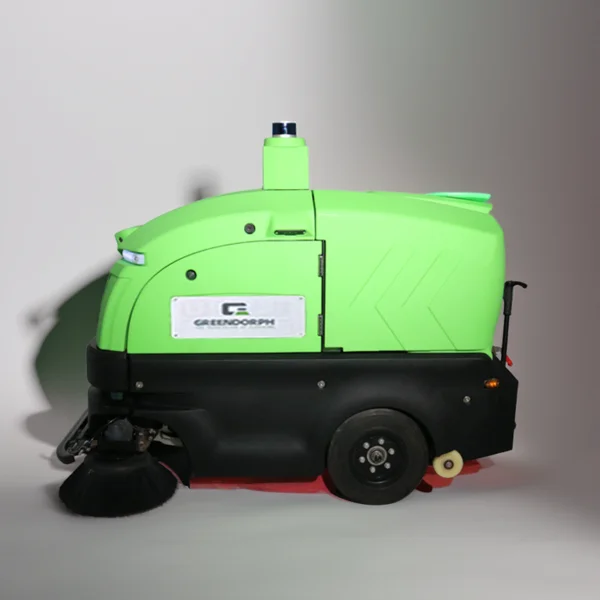
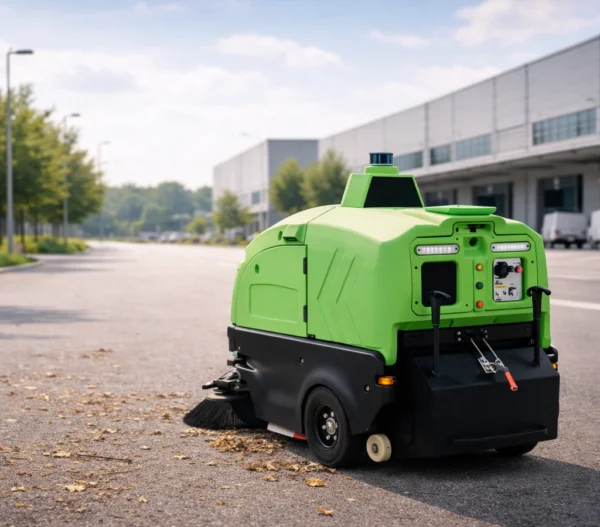
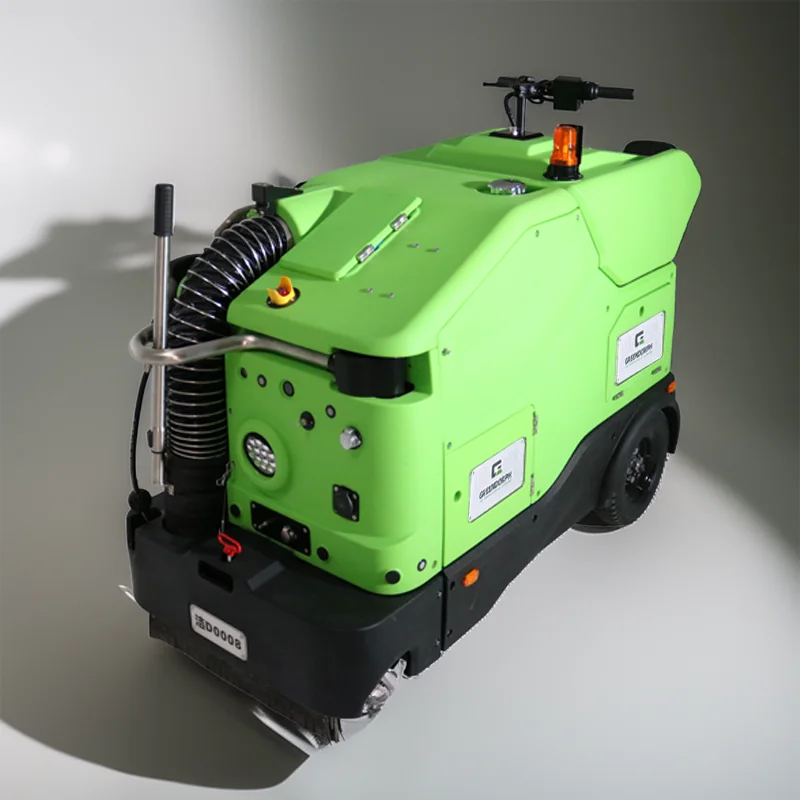
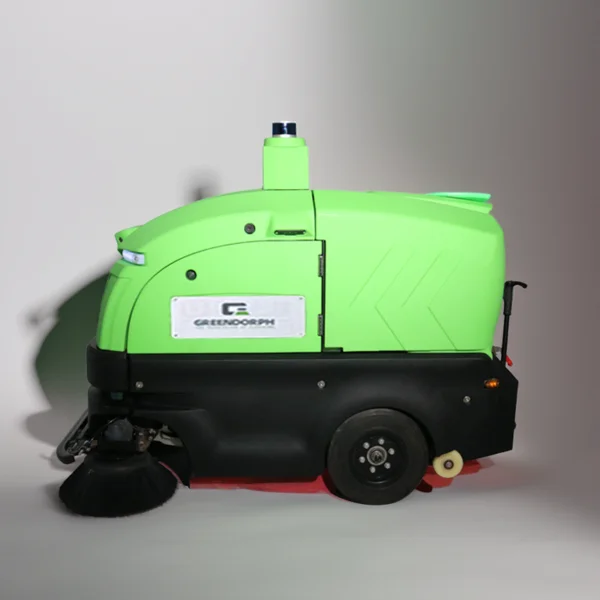
Fully autonomous outdoor sweepers – Like our Greendorph Auto Sweeper YJ130, which operates without any manual intervention, combining suction, airflow-assist, and misting spray.
When evaluating robotic floor cleaners, always verify surface compatibility. Our machines adjust brushes and suction settings for concrete, tile, and epoxy—but we never recommend them for carpet, a detail many generic suppliers overlook.
How to Match Robotic Floor Cleaners to Your Outdoor Environment
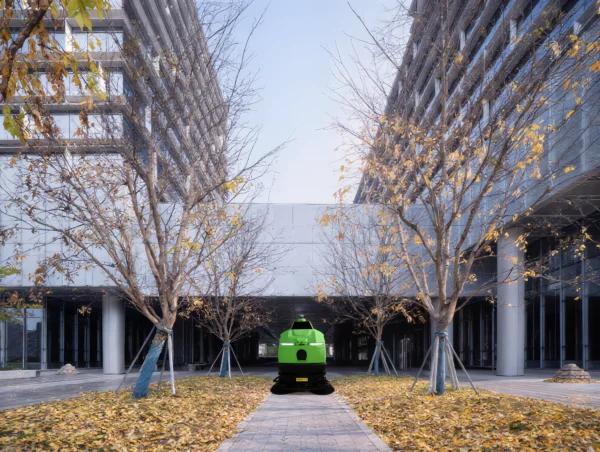
Not every robot floor cleaner performs well in large-scale outdoor settings. Standard indoor models fail against dust, uneven pavement, or misting needs. For outdoor facilities—think logistics parks, factory perimeters, or commercial plazas—you need robotic floor cleaners engineered with weather-resistant frames and heavy-duty debris handling.
The Greendorph Auto Sweeper YJ130 exemplifies this category. Its primary cleaning system works alongside three auxiliary functions: suction lifts fine dust, airflow-assist captures light litter, and misting spray suppresses airborne particles. This combination solves two industry pain points we hear constantly: reducing occupational hazards (no more staff pushing sweepers in traffic) and lowering heavy workloads (the machine runs without breaks).
Final Thoughts: Choosing the Right Partner for Automated Outdoor Cleaning
Selecting a robot floor cleaner isn’t just about specs—it’s about long-term reliability and fit. At Greendorph, we don’t sell generic machines. We focus exclusively on smart, fully automated outdoor solutions that eliminate manual effort, cut labor costs, and keep every external space spotless. Whether you need a single sweeper or a fleet of robotic floor cleaners, our systems are built for zero-manual-operation performance. Contact us to see how the Greendorph Auto Sweeper YJ130 can transform your outdoor sanitation workflow.