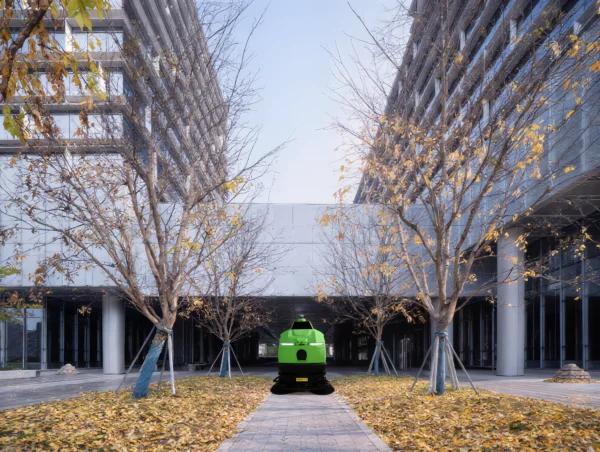
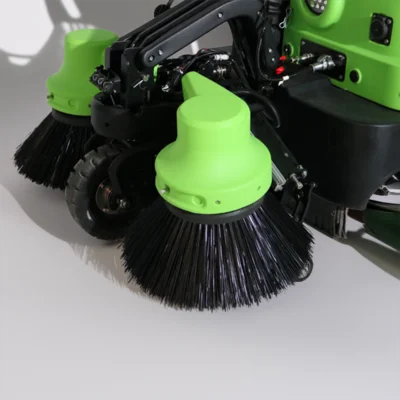
Educational institutions occupy a unique space in urban planning. With extensive pedestrian zones, sprawling walkways, and high-traffic plazas, the manual upkeep of these outdoor environments often creates significant logistical hurdles for facilities departments. At Greendorph, we have observed that many administrators are reevaluating their procurement strategies to address labor shortages and rising maintenance costs. By integrating specialized hardware into daily routines, campus managers can maintain pristine grounds while allowing their human teams to focus on more complex facilities challenges.
Efficiency and Labor Allocation
When we analyze current maintenance budgets, labor hours spent on manual sweeping remain a primary cost driver. A street sweeper provides a reliable solution by handling repetitive, high-frequency debris removal across campus pathways. By automating the routine cleanup of leaves, litter, and sediment, facilities managers effectively reallocate staff to tasks that require human judgment, such as deep cleaning, facility repairs, or rapid response to campus incidents. This shift in operational structure does not remove the need for personnel; rather, it maximizes the output of the existing workforce.
Precision Maintenance on Campus Walkways
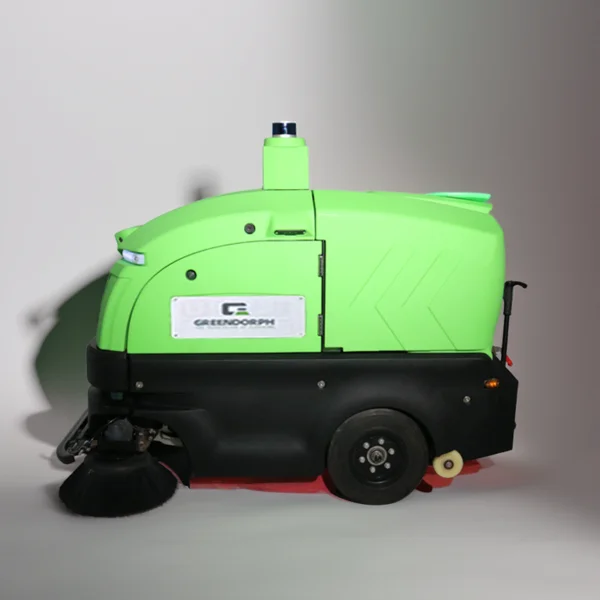
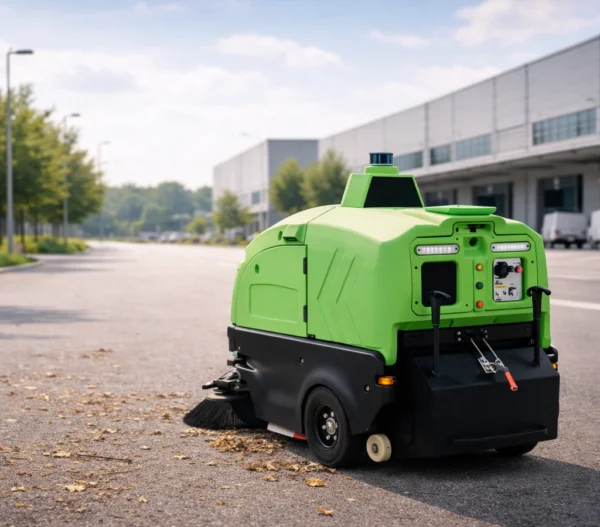
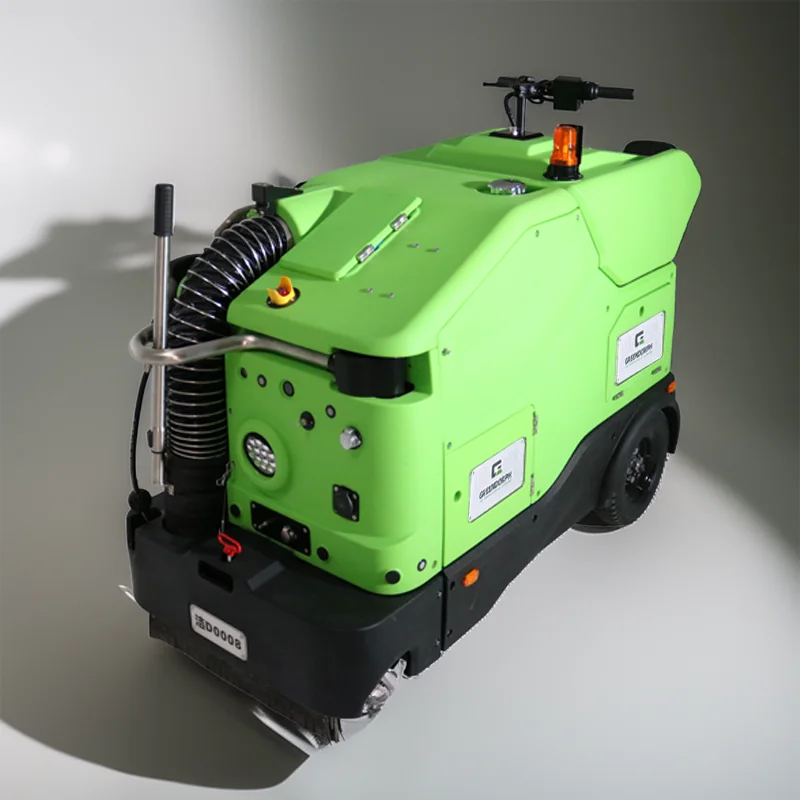
The specialized design of a sidewalk street sweeper allows for a level of cleaning precision that manual tools simply cannot match on a consistent basis. Because educational campuses feature varied architecture and narrow transit corridors, the equipment must be agile enough to maneuver through high-traffic areas during off-peak hours. We have found that when these units operate autonomously, they remove fine particulates and organic debris that would otherwise accumulate and potentially degrade pavement surfaces over time. This proactive approach to debris removal preserves the longevity of the infrastructure while ensuring that all campus walkways remain hazard-free for students and faculty.
Sustainability and Long-term Financial Planning
Investing in automated equipment is often framed as a capital expenditure, yet we view it as a long-term operational strategy. A street sweeper offers predictable maintenance intervals and reduces the reliance on fuel-heavy, large-scale cleanup vehicles that are often ill-suited for pedestrian zones. Furthermore, the sidewalk street sweeper operates with minimal disruption to the campus aesthetic, quiet enough to run during early morning hours without impacting student activities. By incorporating Greendorph solutions into their long-term planning, institutions realize measurable gains in both cleanliness and fiscal sustainability, proving that modernization is a practical necessity for any aging or expanding campus.
Enhancing Campus Standards Through Automation
Maintenance is rarely just about cleanliness; it is about providing a safe and inviting environment. As we work with facility managers, it becomes clear that relying solely on manual labor to cover vast outdoor networks is no longer sustainable. By adopting a street sweeper that works around the clock, Greendorph clients find they can maintain high standards across all seasons. Looking ahead, the integration of a sidewalk street sweeper will likely become a baseline requirement for campus operations, ensuring that the physical environment supports, rather than detracts from, the educational experience.