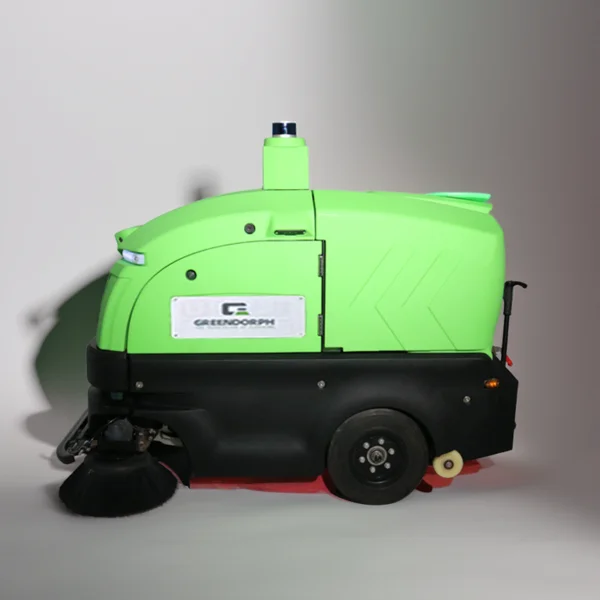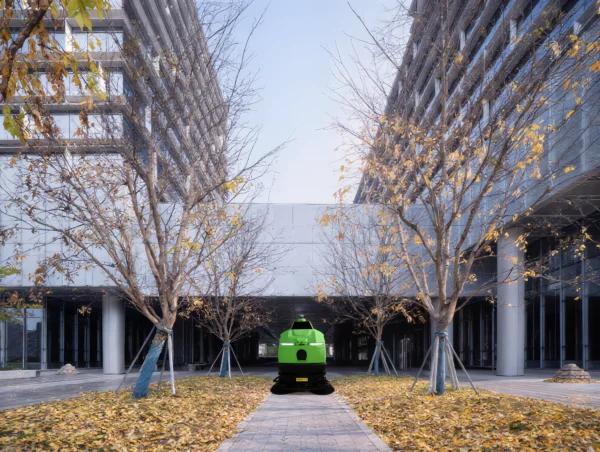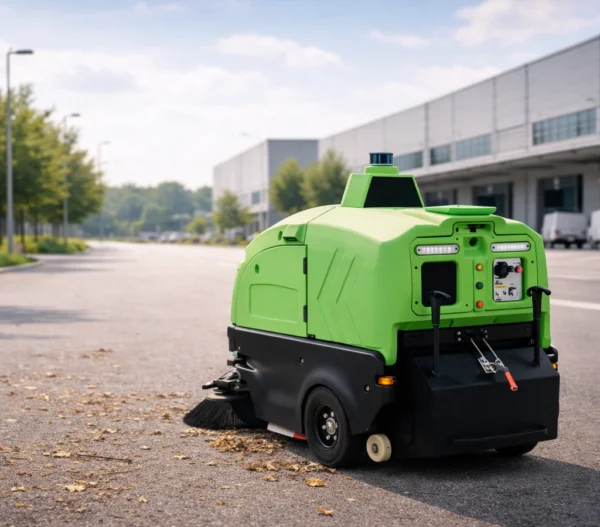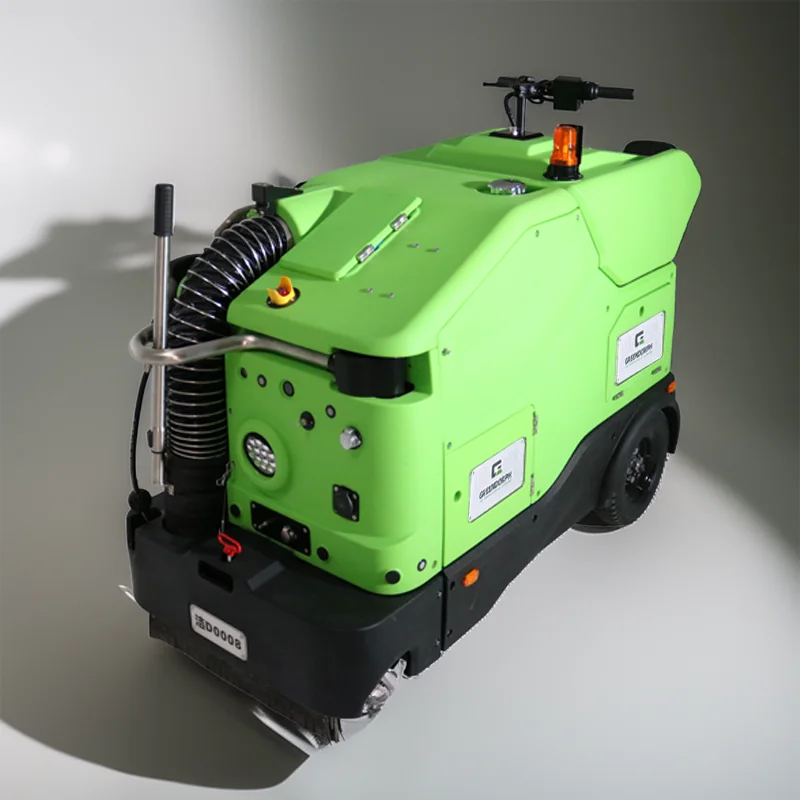
Parks present a unique cleaning challenge that differs significantly from indoor commercial spaces or urban roadways. These environments combine natural elements—fallen leaves, pollen, soil tracked from footpaths—with man‑made infrastructure such as paved promenades, parking areas, and event spaces. The equipment deployed must withstand variable weather conditions, operate near vegetation without causing disturbance, and maintain aesthetic standards expected by the public. At Greendorph, we have observed that the adoption of an industrial ride on floor sweeper machine in park settings delivers advantages that extend far beyond surface cleanliness, fundamentally improving how park management teams allocate resources and maintain ecological balance.
Superior Adaptability to Diverse Park Surfaces
Park roadways and pathways rarely conform to uniform specifications. A single facility may contain asphalt vehicle lanes, permeable paver walkways, gravel shoulders, and compacted soil trails for events. Conventional cleaning equipment often requires multiple machine types to address this variety, creating logistical complexity and increasing capital expenditure. A properly configured industrial cleaning machine addresses this challenge through modular brush systems and adjustable suction profiles. The industrial ride on floor sweeper machine can be equipped with different brush materials—steel bristles for compacted debris on asphalt, polypropylene for gentle cleaning of sensitive pavers—allowing a single unit to transition between zones without compromising surface integrity. Furthermore, the high ground clearance and robust tire design enable stable operation on uneven terrain, ensuring that maintenance crews can access remote sections of large parks without requiring specialized vehicles. This adaptability translates directly into operational flexibility, reducing the number of machines needed to maintain expansive green spaces.
Efficient Management of Organic Debris and Seasonal Loads
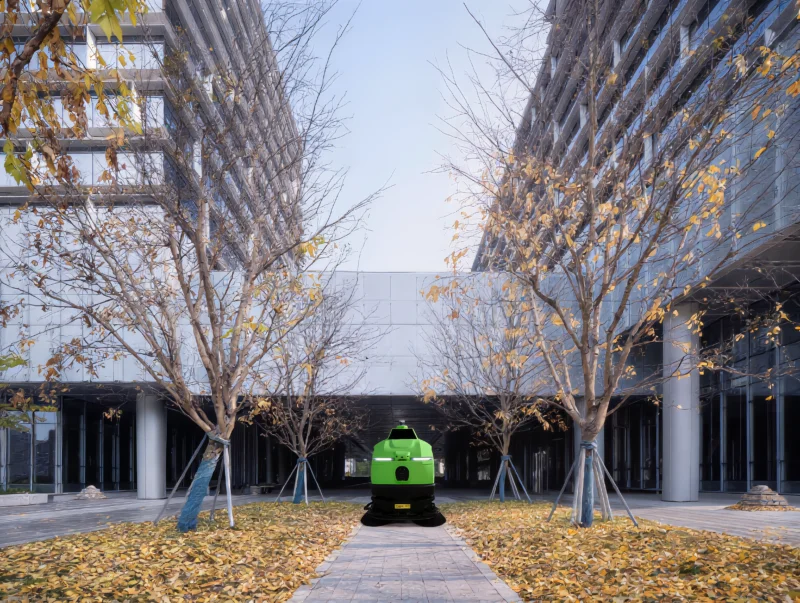
Parks generate organic debris at volumes that can overwhelm standard cleaning equipment. Autumn leaf accumulation, spring pollen dispersion, and seasonal storm damage create episodic cleaning demands that must be addressed promptly to maintain accessibility and fire safety. An industrial ride on floor sweeper machine designed for such conditions incorporates high‑capacity hoppers and advanced filtration that prevents organic matter from clogging intake systems. The filtration architecture is particularly critical: fine pollen particles and mold spores, if recirculated during cleaning, can degrade air quality for park visitors with respiratory sensitivities. Our engineering approach utilizes multi‑stage separation that captures particulates while maintaining consistent suction performance, even when processing wet leaves or damp soil. This capability allows park maintenance teams to respond to seasonal peaks without renting supplemental equipment or extending manual labor hours, preserving budget predictability across the fiscal year.
Reduced Environmental Footprint Through Intelligent Operation
Public parks operate under increasing scrutiny regarding environmental stewardship. Noise pollution, emissions, and surface runoff from cleaning activities all factor into how communities perceive park management practices. Modern industrial cleaning machine platforms have evolved to address these concerns through electric powertrains and precision water management. A battery‑powered industrial ride on floor sweeper machine produces near‑silent operation, enabling daytime cleaning without disrupting wildlife or visitor experience. Additionally, the integration of smart water‑control systems ensures that moisture is applied only when necessary to suppress dust, eliminating wasteful runoff that can carry contaminants into adjacent planting beds or water features. Telemetry data from connected units further enables managers to document sustainability metrics—energy consumption, water usage, emissions avoided—for reporting to municipal stakeholders and environmental certification programs. This transparency aligns park operations with broader community sustainability goals while delivering measurable cost savings.
The application of industrial ride on floor sweeper machines in parks represents a convergence of operational efficiency, environmental responsibility, and visitor experience management. By selecting equipment that adapts to diverse surfaces, handles seasonal organic loads reliably, and operates with minimal ecological disturbance, park management teams can elevate service quality while reducing long‑term operational costs. At Greendorph, our deployments across hundreds of outdoor facilities have demonstrated that the thoughtful integration of autonomous and operator‑focused industrial cleaning machine solutions enables parks to remain inviting, safe, and sustainably managed throughout the year.