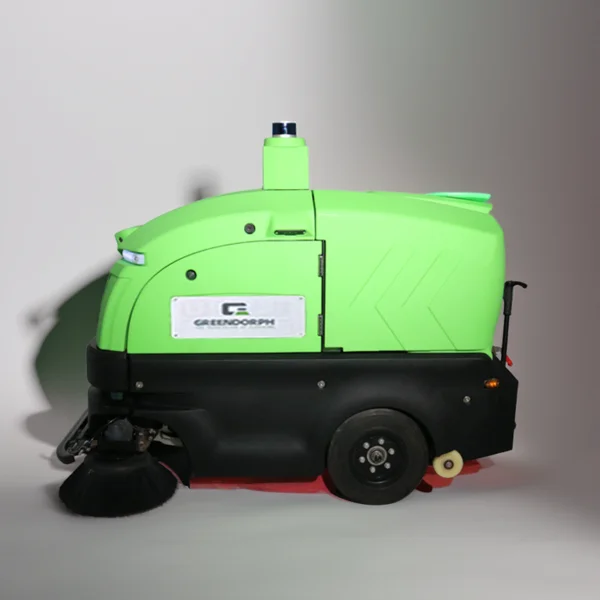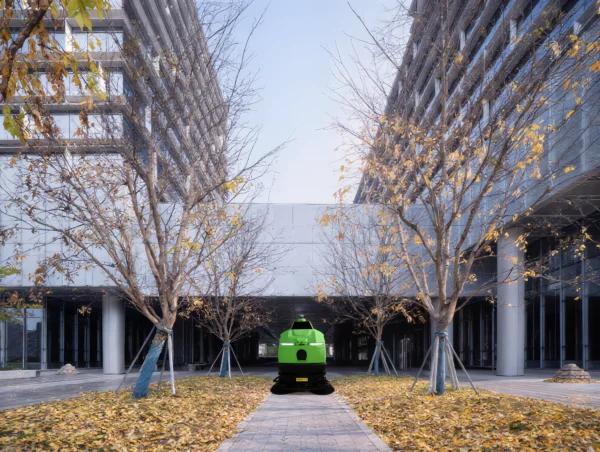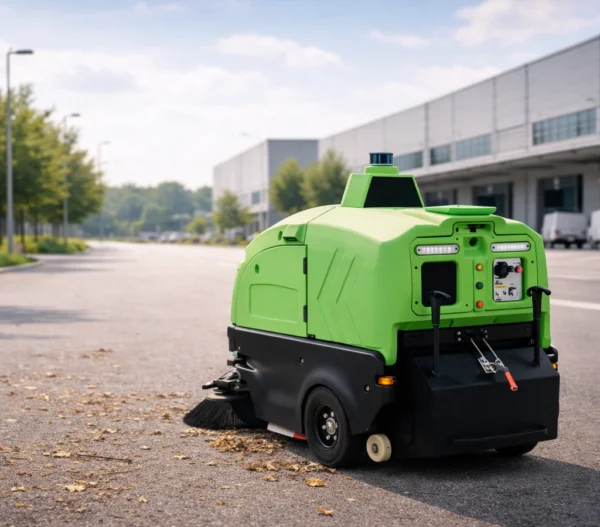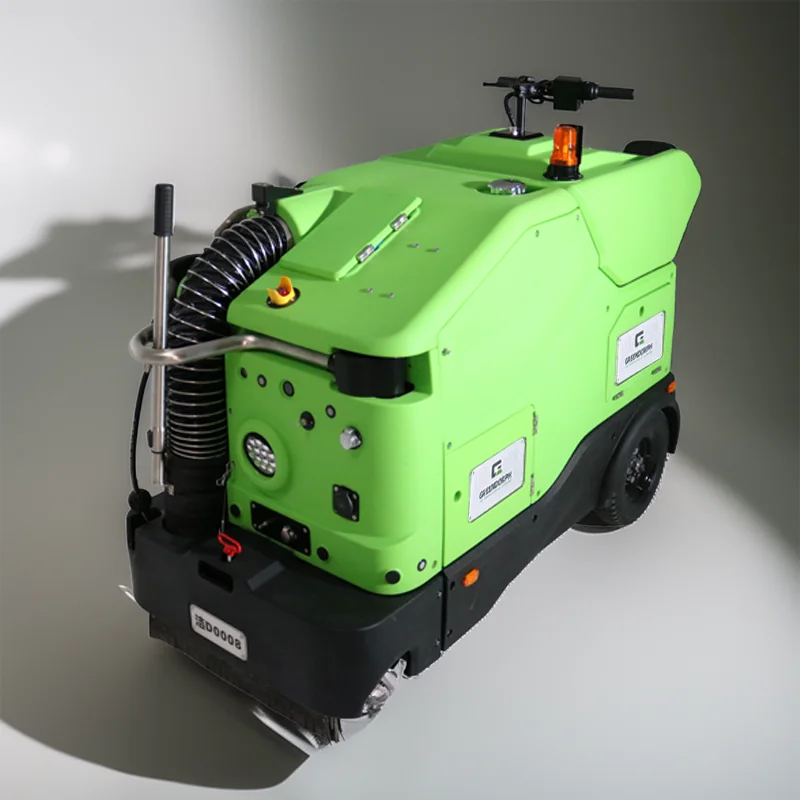
We at Greendorph observe a rapid shift in how commercial and industrial spaces approach cleaning operations. Demand for intelligent cleaning systems continues to rise as organizations seek more consistent performance and reduced manual workload. In this evolving environment, both robot floor cleaner solutions and established robot vacuum cleaner manufacturers are shaping new standards for efficiency, navigation precision, and scalability across large facilities.
How Intelligent Cleaning Systems Are Transforming Operations
We design our solutions around real-world operational needs such as warehouses, campuses, industrial parks, and transport hubs. Modern cleaning systems are no longer simple mechanical tools but integrated platforms combining sensing technology, route planning, and adaptive control.
A typical robot floor cleaner deployed in professional environments is expected to operate across mixed surfaces while maintaining stable coverage patterns. These systems rely on lidar mapping, multi-sensor fusion, and automated docking processes to minimize downtime. As adoption expands, manufacturers are focusing on durability, longer runtime, and simplified maintenance workflows.
Key Players Among Robot Vacuum Cleaner Manufacturers
We recognize that robot vacuum cleaner manufacturers vary widely in their specialization. Some focus on compact indoor residential units, while others extend into commercial-grade autonomous machines. Industry leaders often integrate AI navigation, multi-floor mapping, and hybrid vacuum-mop systems.
Recent developments show increasing emphasis on smart obstacle detection and adaptive cleaning paths. Manufacturers are also improving modular designs to support easier part replacement and longer product lifecycles. This shift reflects growing demand from both residential users and facility managers who prioritize operational continuity.
Greendorph Approach to Autonomous Cleaning Systems
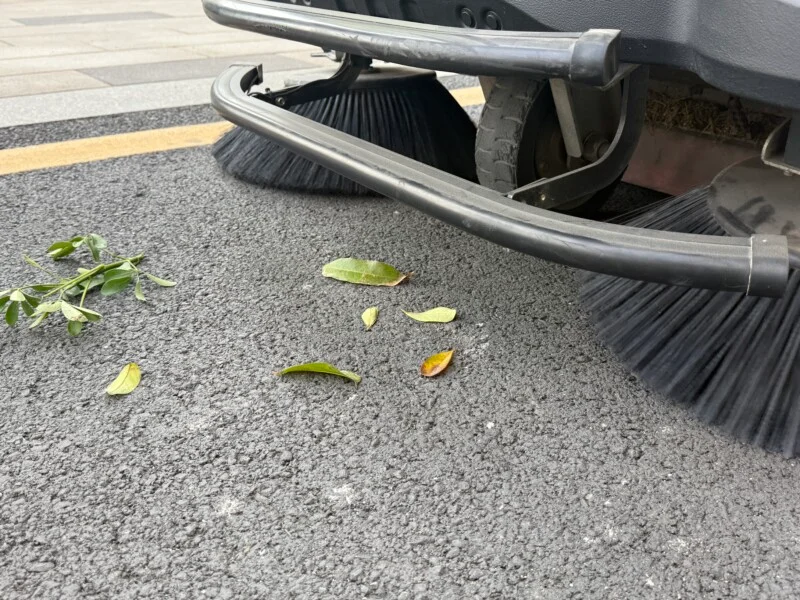
We at Greendorph focus on large-scale autonomous cleaning systems designed for outdoor and semi-outdoor environments. Unlike typical household devices, our engineering targets complex open areas where navigation stability and consistent debris collection are essential.
Our development process emphasizes three core areas. First, reliable autonomous navigation in dynamic environments. Second, strong debris-collection performance under continuous operation. Third, scalable system architecture that supports different site requirements without unnecessary complexity.
Through this approach, we aim to support organizations that require consistent sanitation across expansive areas such as logistics centers, public infrastructure zones, and industrial campuses.
Industry Direction and Future Development
We see the market moving toward integrated cleaning ecosystems rather than isolated machines. Robot vacuum cleaner manufacturers are increasingly building cloud-connected fleets, while industrial solutions are adopting centralized monitoring dashboards for multi-unit coordination.
At the same time, robot floor cleaner technology is expanding into hybrid applications that combine sweeping, vacuuming, and wet cleaning in a single platform. This convergence allows facility managers to streamline maintenance planning and improve operational predictability.
Conclusion
We believe the autonomous cleaning industry is entering a more structured phase where performance reliability, scalability, and intelligent control define competitiveness. As both robot floor cleaner systems and robot vacuum cleaner manufacturers continue to evolve, businesses are gaining more options to automate cleaning with greater consistency.
At Greendorph, we remain focused on developing solutions that meet the demands of large-scale environments while supporting the broader transition toward automated facility management.