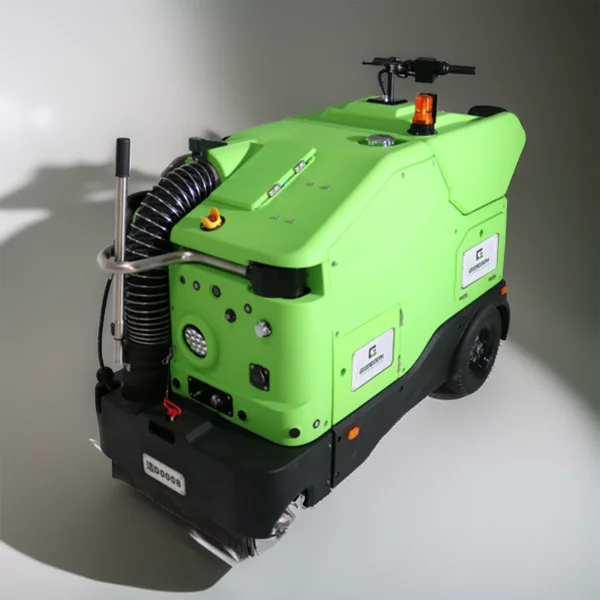
Urban cleanliness is a fundamental part of public health and city aesthetics. A street vacuum is a specialized machine designed to remove debris, dust, and waste from roads, sidewalks, and other paved surfaces. Unlike traditional sweeping methods, these machines combine mechanical brushing with powerful suction to achieve more efficient and thorough cleaning.
Modern cities rely on this equipment to maintain hygiene standards, reduce environmental pollution, and improve safety for pedestrians and drivers. With increasing urban density, the need for advanced cleaning solutions has made vacuum-based sweeping systems an essential part of municipal operations.
What Is a Vacuum Street Sweeper
A vacuum street sweeper is a motorized vehicle equipped with brushes, suction systems, and debris storage units. Its primary function is to collect waste such as dust, leaves, sand, and small litter from road surfaces and store it in a hopper for later disposal.
These machines work similarly to large-scale vacuum cleaners. High-powered fans create negative pressure, allowing debris to be lifted from the ground and transported into a collection container. This process ensures that even fine particles are removed, which is particularly important in busy urban environments where dust can affect air quality.
How Vacuum Street Sweepers Work
The operation of a vacuum street sweeper involves several coordinated components. Rotating brushes first loosen dirt and guide it toward the suction inlet. Then, the vacuum system pulls the debris into an internal container, where it is separated and filtered.
Advanced models also include filtration systems designed to capture fine particulate matter such as PM10 and PM2.5. This prevents dust from being released back into the air, making the cleaning process more environmentally responsible.
In addition, many modern sweepers are equipped with adjustable suction power, allowing operators to handle different types of waste efficiently, from light dust to heavier debris.
Core Purpose of a Vacuum Street Sweeper
The main purpose of a vacuum street sweeper goes beyond simple cleaning. Its role can be understood through several key functions.
First, it helps maintain urban hygiene by removing visible waste and hidden fine particles that accumulate on road surfaces. This contributes to cleaner and more pleasant public spaces.
Second, it improves safety. Debris such as sand, leaves, or small objects can create hazards for vehicles and pedestrians. Regular sweeping reduces the risk of accidents and ensures smoother traffic conditions.
Third, it supports environmental protection. By collecting fine dust and pollutants, vacuum street sweepers help reduce the amount of particulate matter that enters the air or stormwater systems. This plays a role in improving air quality and protecting nearby ecosystems.
Greendorph and the Evolution of Street Cleaning
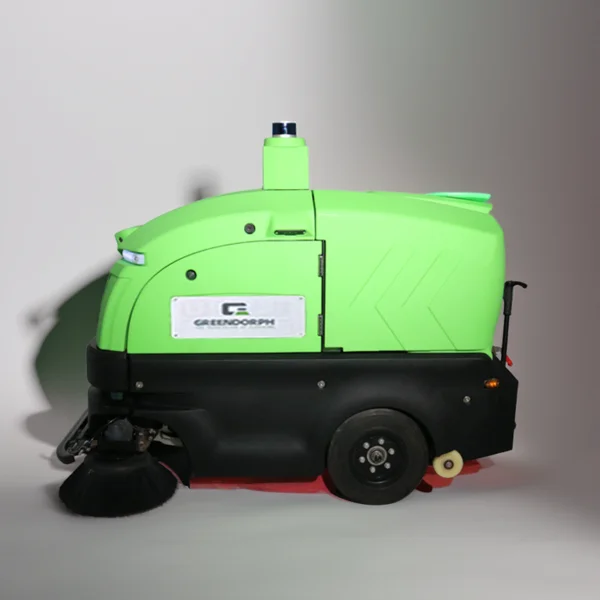
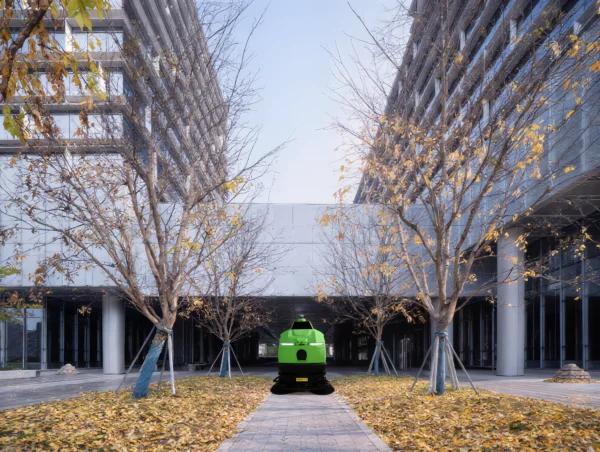
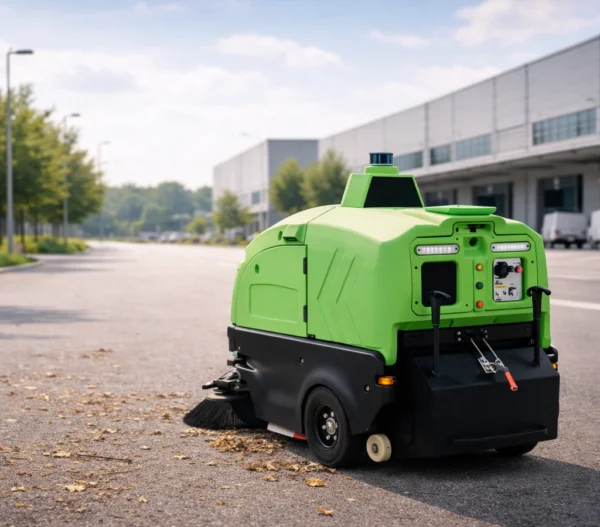
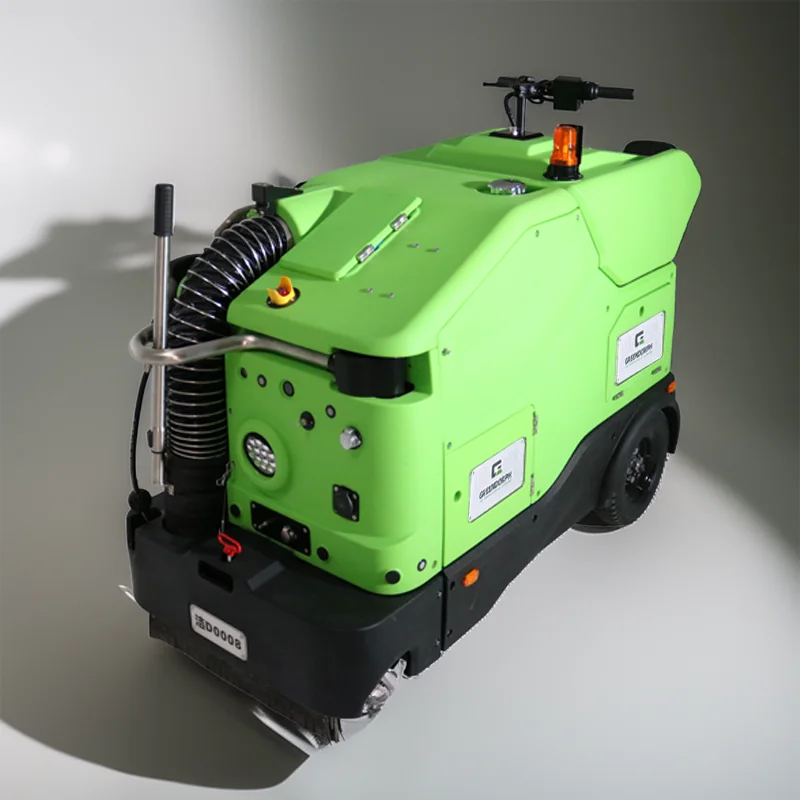
As cities adopt smarter infrastructure, we at Greendorph are focusing on efficient and practical solutions. Products such as the Greendorph Omniclean urban street vacuum reflect the shift toward compact, intelligent, and environmentally conscious cleaning equipment.
These systems are designed to operate in tight urban spaces while maintaining strong suction performance and reliable debris collection. Their integration of modern engineering highlights how street cleaning technology continues to evolve alongside urban needs.
Conclusion
A street vacuum is a vital tool for maintaining clean, safe, and sustainable urban environments. By combining sweeping and suction technologies, it effectively removes both large debris and fine dust from public spaces.
Its core purpose extends beyond cleanliness to include safety improvement and environmental protection. As innovations continue, we at Greendorph demonstrate how modern equipment can meet the growing demands of urban sanitation while supporting a healthier city landscape.