When procurement teams ask us for pricing on floor cleaning machines, they often expect a simple number. At Greendorph, we take a different approach. As a supplier focused exclusively on smart sanitation for large outdoor areas, we believe transparency about cost components saves everyone time and prevents budget surprises. This breakdown walks you through what actually determines the price of a commercial machine for cleaning floors—beyond the base sticker.
The Hardware Components That Drive Initial Purchase Price
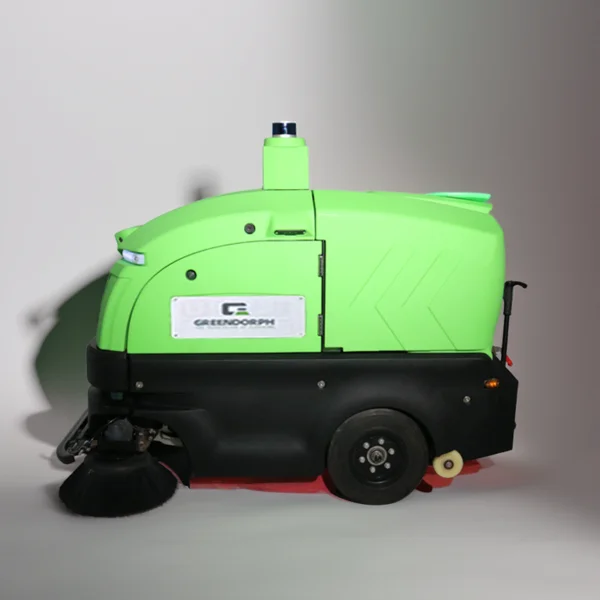
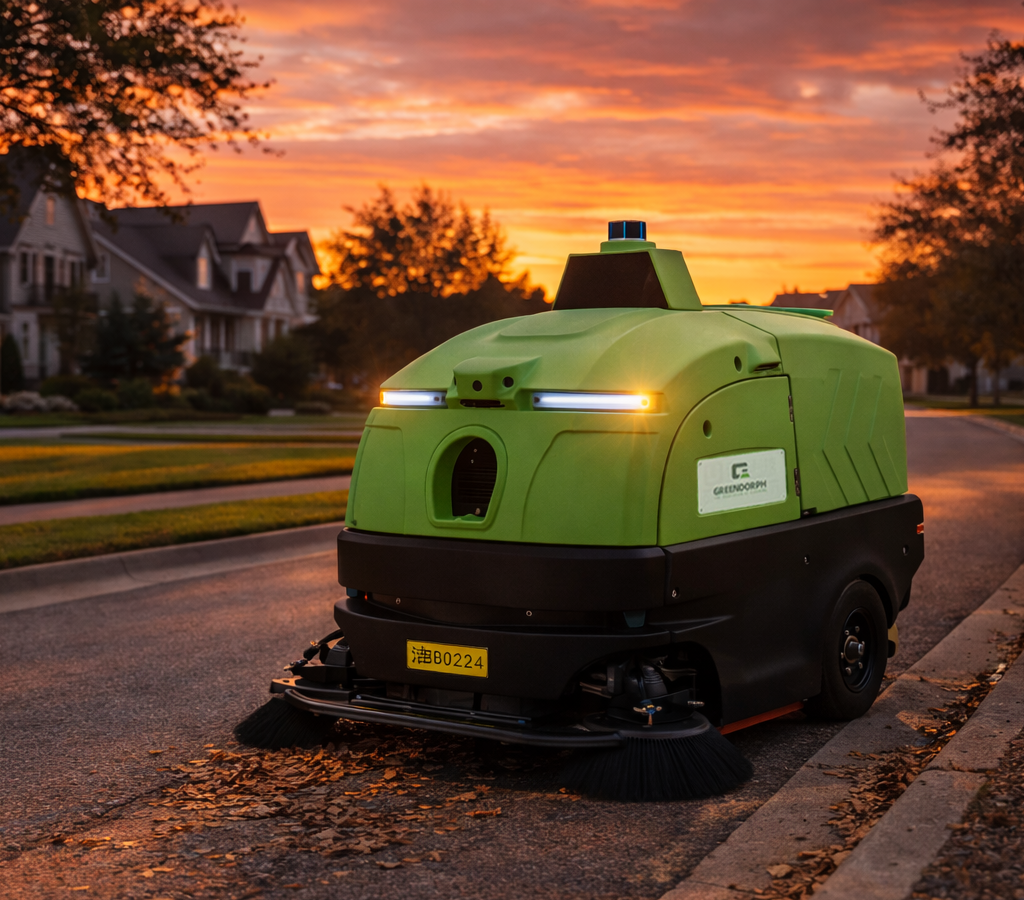
Every machine for cleaning floors contains cost layers that vary dramatically by manufacturer. The most significant is the power system. Basic corded electric floor cleaning machines cost less upfront but restrict range. Battery-powered units add 20-35% to the base price due to lithium-ion packs and smart charging circuits. Our Omniclean Urban Street Hydro YJ80, for example, includes an 8-hour continuous runtime battery—a higher initial investment that eliminates midday charging breaks.
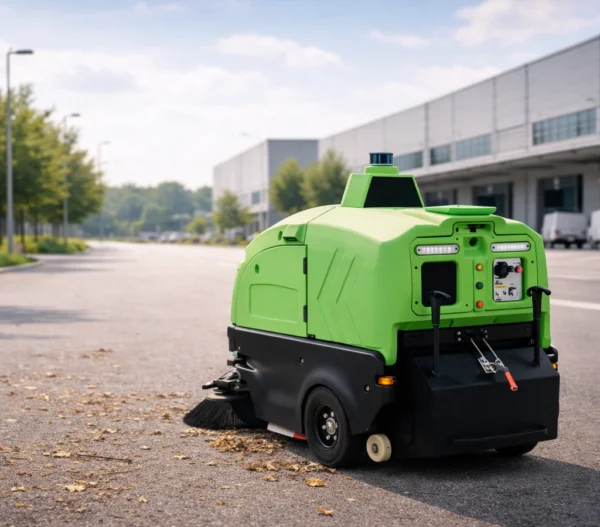
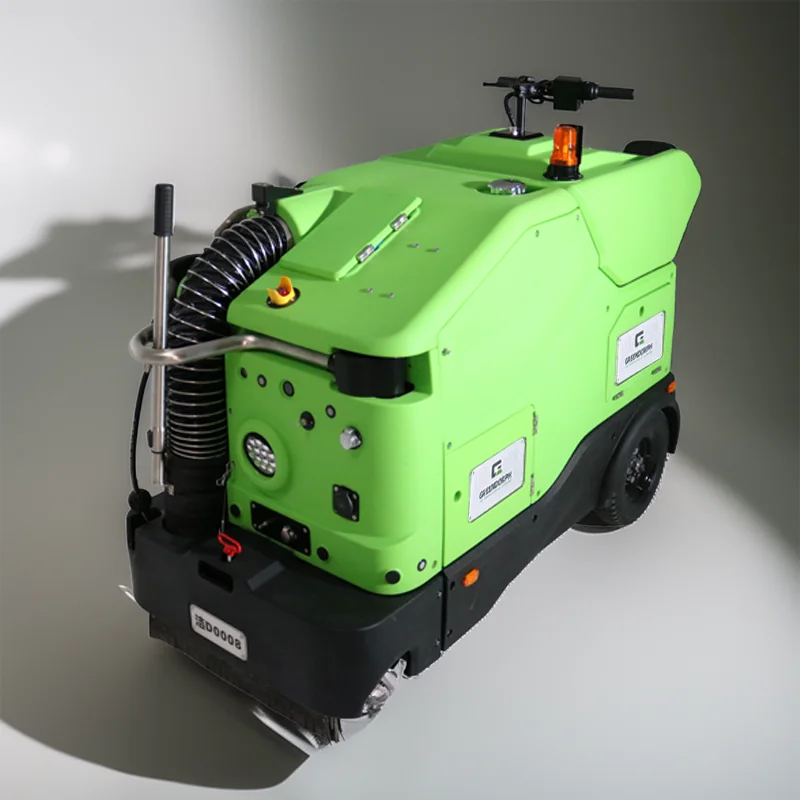
The second hardware factor is control technology. Manual floor cleaning machines sit at the low end of pricing. Multi-mode systems—like the YJ80’s manual ride-on, auto-following, and towed traction options—increase costs but deliver operational flexibility. We’ve seen facilities save more in labor than they paid for the upgrade within six months.
Third, consider maneuverability engineering. A machine for cleaning floors designed for narrow sidewalks and parking structures requires tighter turning radii and compact footprints. Those design features add engineering cost but reduce the need for multiple specialized units.
Long-Term Ownership Costs That Budgets Often Overlook
Purchase price is only the first number on your spreadsheet. Real cost analysis for floor cleaning machines must include:
Energy consumption – Electric units like the YJ80 produce zero CO2 emissions and cost far less per hour than propane or diesel alternatives
Maintenance schedules – Brush replacements, filter changes, and sensor calibrations. Fully autonomous floor cleaning machines typically require fewer service hours than ride-on models
Operator training time – Complex controls increase hidden labor costs. The YJ80’s intuitive three-mode system trains in under 30 minutes
Downtime impact – A broken machine for cleaning floors means dirty floors. We recommend calculating lost productivity cost per hour
Making a Confident Equipment Investment
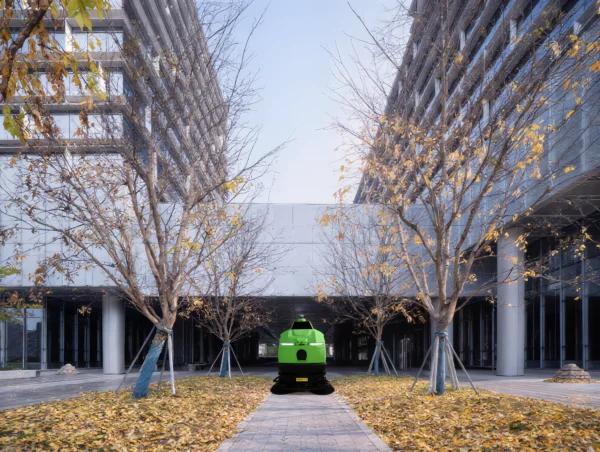
Choosing commercial floor cleaning machines isn’t about finding the lowest price—it’s about matching costs to your actual operating environment. At Greendorph, we engineer units like the Omniclean Urban Street Hydro YJ80 for diverse settings: sidewalks, plazas, parking structures, and mid-sized outdoor zones. Its 8-hour runtime, zero emissions, and ergonomic design reduce both purchase and ownership costs over time. When you’re ready to compare floor cleaning machines line by line, contact our team. We’ll walk you through a full budget breakdown tailored to your facility’s footprint and shift schedule.