Outdoor cleaning robots are becoming a practical option for organizations that manage large open areas. However, the cost of an outdoor cleaning robot is affected by many factors, not only the machine size or cleaning capacity. Functions, navigation systems, working time, maintenance requirements, and application environments all influence the final investment.
For businesses and facility operators, understanding these factors helps them compare different solutions more clearly. A suitable cleaning robot should match the actual site conditions, including area size, surface types, cleaning frequency, and daily operation needs.
Cleaning Functions Influence Equipment Cost
The cleaning system is one of the main factors affecting the price of an outdoor cleaning robot. Different sites require different cleaning methods. Some areas mainly need dust removal, while others may need assistance with leaves, small debris, or surface particles.
A basic cleaning structure may focus on sweeping, while advanced systems can combine several functions. For example, suction can help collect fine dust, airflow assistance can improve debris movement, and spraying functions can reduce dust during operation.
When selecting an outdoor robot cleaner, buyers should review whether the cleaning functions match their working environment. Adding more functions may increase equipment cost, but it can also reduce the need for separate cleaning processes in some applications.
The surface condition also affects the required configuration. Flat sidewalks, industrial campuses, and park paths may have different cleaning demands. A machine designed for wider outdoor spaces may require different components compared with equipment used in smaller areas.
Navigation Technology and Operation Design Matter
Navigation capability is another factor connected with cost. Outdoor cleaning robots need to identify routes, avoid obstacles, and complete cleaning tasks according to planned areas. More advanced navigation systems usually involve additional sensors and control technologies.
For large outdoor locations, stable route planning is important because the cleaning area can include different obstacles, walking paths, and changing environments. Operators may consider whether the robot can work independently or requires frequent manual adjustment.
The level of automation also influences investment. A fully autonomous system can reduce the need for constant human operation. This is especially useful for locations such as schools, parks, and industrial campuses where regular cleaning tasks are required.
Our company develops outdoor cleaning solutions based on practical site requirements. Greendorph focuses on outdoor cleaning equipment development and provides solutions designed for different operation environments. The selection process considers cleaning needs, site conditions, and daily usage patterns rather than only equipment specifications.
Battery Capacity and Working Time Affect Long-Term Value
Battery performance is another important consideration when evaluating robot costs. A machine with longer working hours may require a larger battery system and related components, which can influence the initial price.
For users managing large areas, working time directly affects daily cleaning arrangements. An outdoor robot cleaner with suitable operating duration can help reduce charging interruptions, while longer operation periods can support better task planning.
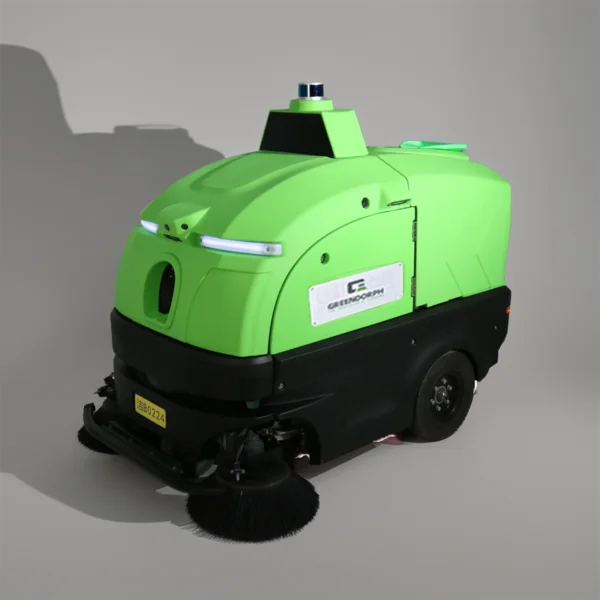
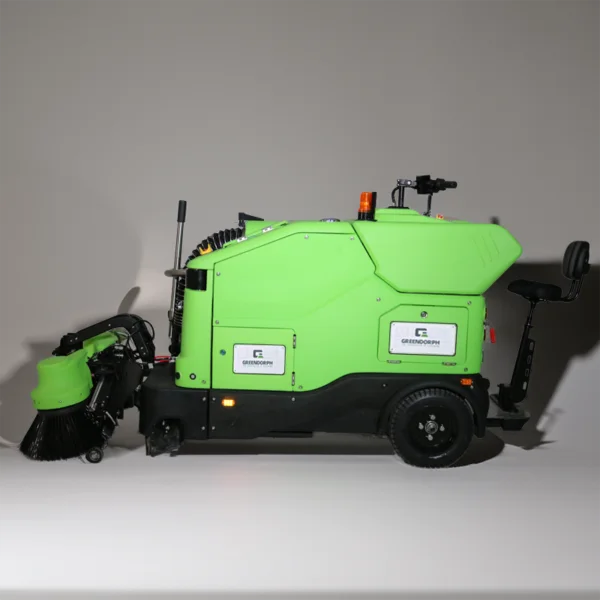
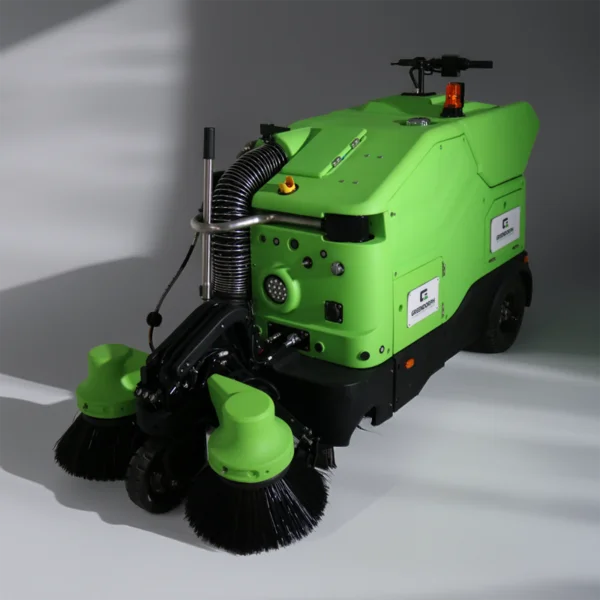
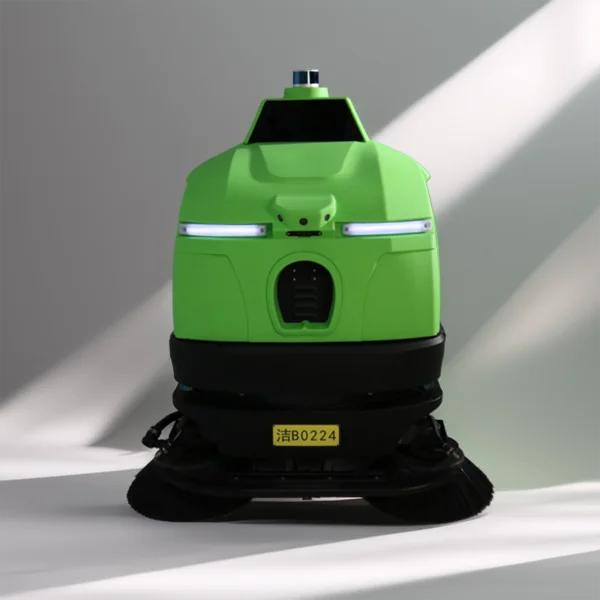
The Auto Sweeper YJ130 is designed as a fully autonomous outdoor sweeper with a primary cleaning system supported by three auxiliary functions: suction, airflow-assist, and misting spray. It can operate continuously for 6-8 hours, making it suitable for large-area outdoor sanitation needs.
Cleaning efficiency is also connected with operating cost. The Auto Sweeper YJ130 delivers over 95% cleaning efficiency according to the provided product information. For buyers, this type of performance factor can help evaluate whether the equipment matches the expected workload.
Maintenance Requirements Should Be Considered
The initial purchase price is only one part of the total cost. Maintenance, replacement parts, and daily management should also be considered before choosing an outdoor cleaning robot.
Equipment with complex structures may require more attention during regular use. Buyers should understand cleaning component replacement cycles, battery conditions, and service requirements when planning long-term operation.
An outdoor robot vacuum used in open environments may face dust, weather changes, and different surface conditions. Therefore, users should consider whether the equipment design fits the actual working environment and whether maintenance procedures are easy to arrange.
For B2B buyers, after-sales communication and technical support are also important factors during supplier evaluation. A clear service process can help operators manage equipment use after installation.
Application Environment Changes the Required Configuration
The working location has a direct connection with robot cost. A small outdoor area may only need basic cleaning functions, while larger spaces may require stronger navigation, longer operation time, and more flexible cleaning settings.
Different industries also have different expectations. Parks may focus on path cleanliness and visitor areas. Industrial campuses may pay more attention to dust and debris management. Schools may consider quiet operation and scheduled cleaning.
When choosing an outdoor robot vacuum, organizations should first define their cleaning goals. A clear understanding of the environment helps avoid selecting equipment with unnecessary functions or insufficient capability.
Greendorph works with customers to understand application conditions and develop suitable outdoor cleaning solutions. By considering factors such as cleaning area, operation frequency, and site requirements, we help customers evaluate equipment options more effectively.
Making a Practical Cost Evaluation
The cost of an outdoor cleaning robot depends on a combination of technical design, cleaning functions, operating time, and application requirements. A higher initial investment does not always mean a better match. The key is finding equipment that fits the actual working environment.
For organizations planning outdoor cleaning projects, reviewing these factors can create a clearer purchasing process. By comparing cleaning needs, automation level, maintenance plans, and expected usage, buyers can make decisions based on long-term operation requirements.