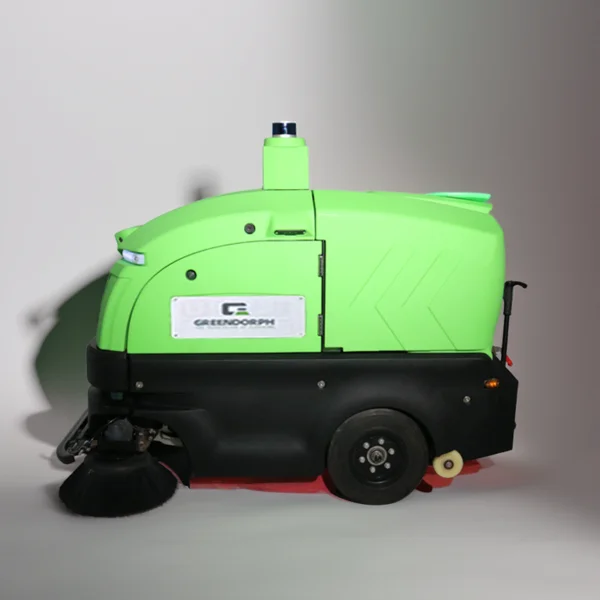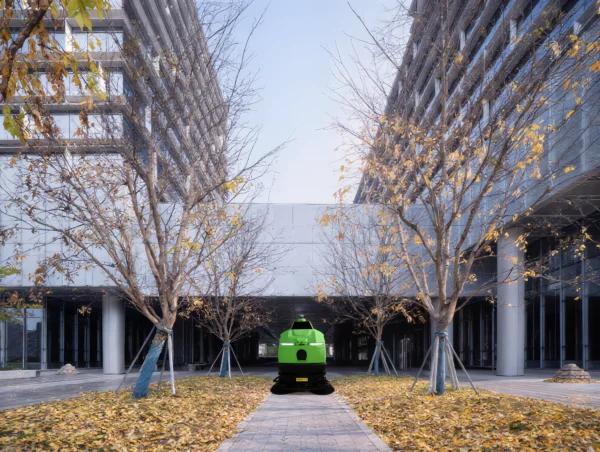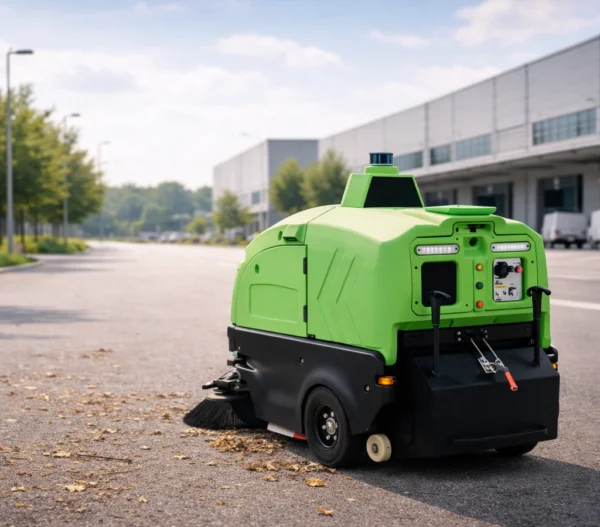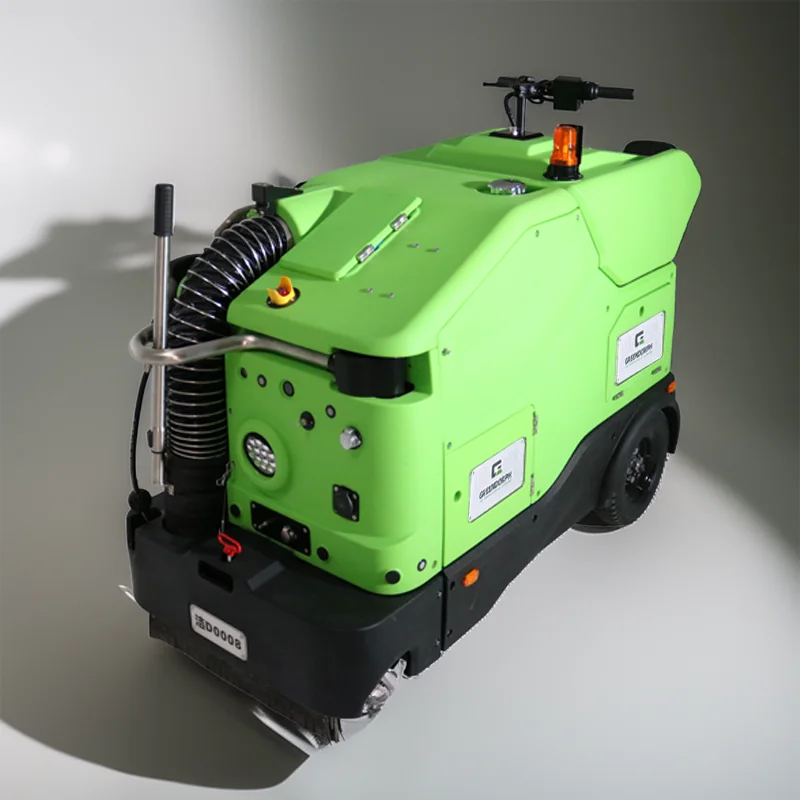
At Greendorph, we design automation solutions that help commercial and industrial environments reduce manual workload while maintaining consistent floor cleanliness. Among the most widely adopted innovations in modern facility management are robotic cleaning machines, which are reshaping how floors are maintained across warehouses, retail spaces, and large buildings.
Understanding Robotic Cleaning Machines
Robotic cleaning machines are autonomous systems designed to clean floors with minimal human involvement. Unlike traditional manual cleaning methods, these machines rely on onboard computing systems, sensors, and mechanical cleaning components to operate independently across defined areas.
In commercial settings, they are used for repetitive cleaning tasks such as dust removal, debris collection, and floor scrubbing. As noted in industry explanations, these robotic cleaning machines integrate sensors and mapping systems to navigate structured environments and maintain consistent cleaning coverage across large floor areas.
How They Operate in Real Environments
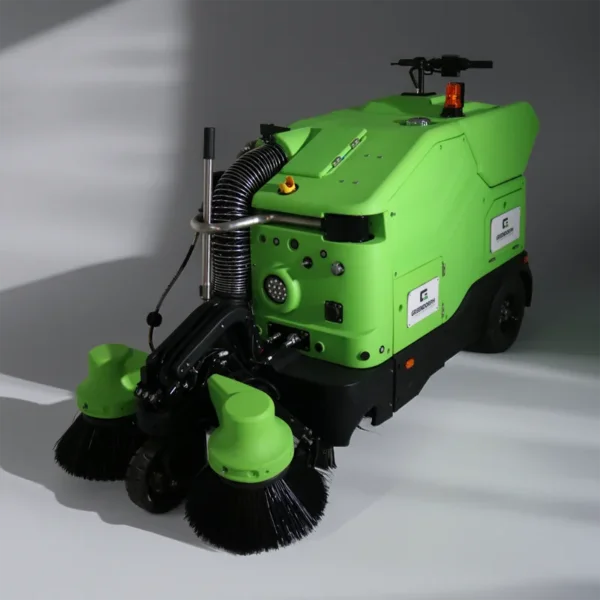
The working principle of a robot floor cleaner is based on coordination between hardware and software systems. A typical unit includes a motor, battery, cleaning brushes, suction or scrubbing modules, and a control processor.
Once activated, the system begins by scanning its surroundings using sensors such as LiDAR, infrared, or cameras. These sensors help the machine detect walls, obstacles, and open floor areas. It then builds a basic map of the environment and plans an efficient cleaning route.
During operation, rotating brushes or scrubbing pads loosen dirt from the floor surface while suction systems or water-based cleaning modules remove debris. The machine continuously adjusts its path based on real-time sensor feedback, allowing it to navigate around furniture, equipment, or moving people without interruption.
The Role of Navigation and Intelligence
Navigation is a core part of how these robotic cleaning machines function. Many modern units rely on laser-based mapping or structured pathfinding algorithms to avoid random movement and instead follow systematic cleaning patterns.
This intelligent navigation allows the machine to cover large areas efficiently and return to its docking station automatically when cleaning is complete or when battery levels are low. Advanced systems can also adapt to different floor types, increasing cleaning intensity when needed and reducing power on lighter surfaces.
Application in Industrial and Commercial Spaces
In business environments, robotic cleaning machines are particularly valuable due to their ability to operate on schedules without supervision. They are commonly deployed in warehouses, airports, shopping centers, and manufacturing facilities where floor space is extensive and cleaning consistency is critical.
By automating repetitive cleaning tasks, facility managers can reallocate staff to higher priority maintenance work while ensuring that floors remain clean throughout operating hours.
Conclusion
Robotic cleaning machines combine navigation technology, sensing systems, and automated cleaning components to deliver structured and consistent floor maintenance. As automation continues to expand across facility management, these systems play an important role in supporting efficiency and operational stability. At Greendorph, we remain committed to advancing robotic cleaning solutions that meet the evolving needs of modern industrial and commercial spaces.