Choosing a suitable cleaning equipment supplier requires more than checking product appearance or price. For property managers, facility operators, and distributors, supplier capability can affect equipment performance, maintenance planning, and long-term cooperation. A proper evaluation should include product design, manufacturing ability, service process, and understanding of different cleaning environments.
A reliable supplier should provide practical solutions based on real application needs. Buyers need to consider whether the equipment matches floor types, cleaning frequency, operating conditions, and future maintenance requirements before making a decision.
Key Application Factors Buyers Should Review First
Different sites create different cleaning challenges. Warehouses, parking areas, commercial buildings, and public spaces may have different floor materials, dirt levels, and cleaning schedules. Suppliers should understand these differences before recommending suitable equipment configurations.
The cleaning method also affects equipment selection. Some areas require daily dust removal, while others need deeper cleaning for oil stains or heavy foot traffic. A supplier with application knowledge can help buyers compare suitable options instead of focusing only on basic specifications.
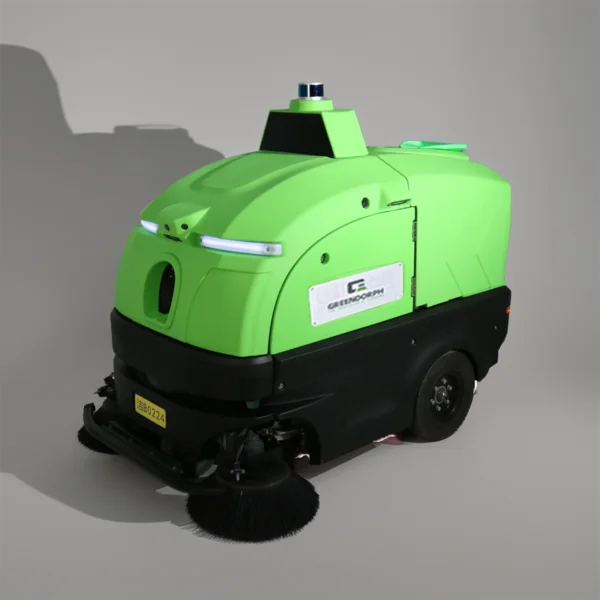
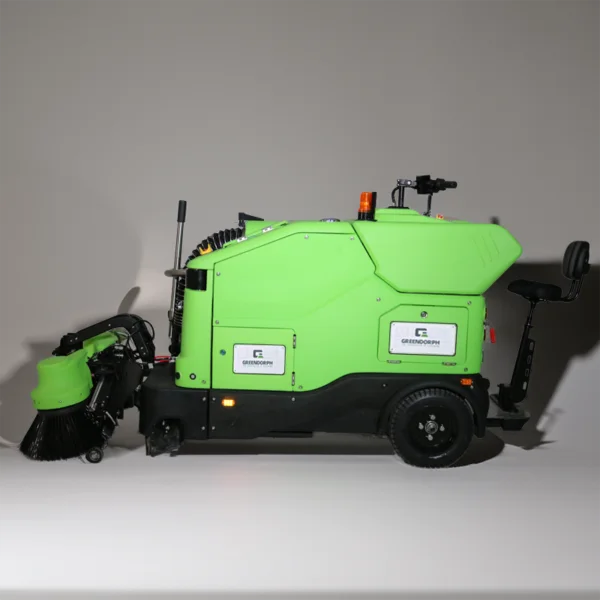
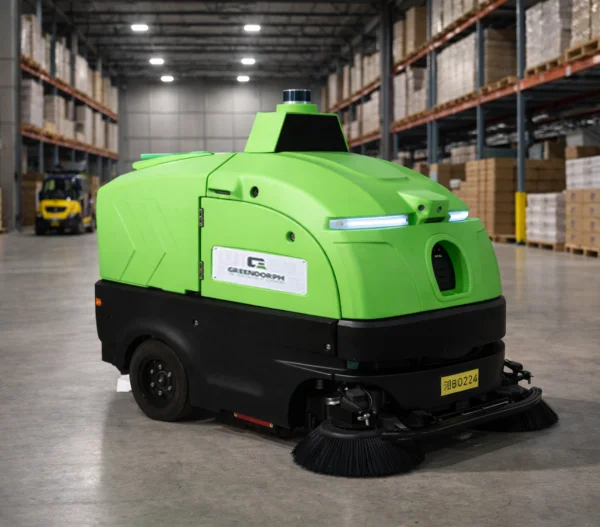
When evaluating floor cleaning machines, buyers should review factors such as cleaning width, operating efficiency, battery type, water usage, and operator convenience. These details influence how the equipment performs during regular maintenance tasks.
Product Design and Manufacturing Ability Matter
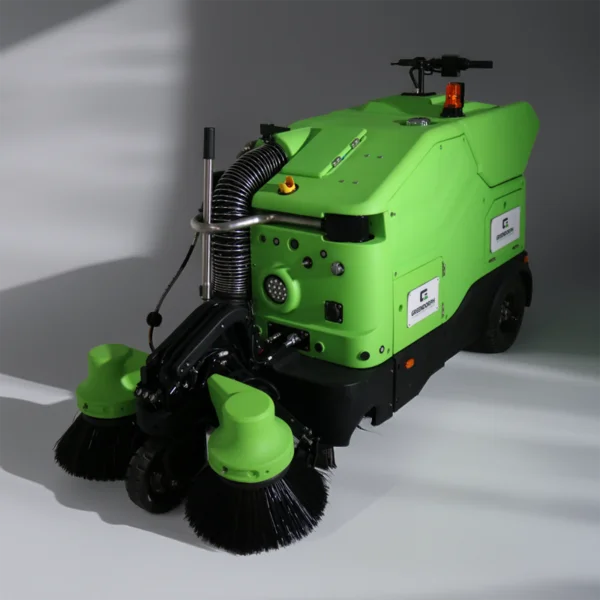
Equipment structure plays an important role in supplier evaluation. Components such as brushes, tanks, control systems, and drive parts should be designed according to different working conditions. A practical structure can help operators complete cleaning tasks with better control.
Manufacturing capability is also an important consideration. Buyers can review production processes, quality inspection methods, and product testing procedures to understand how suppliers manage equipment consistency during manufacturing.
Cooperation with experienced floor cleaning machine manufacturers allows buyers to gain more information about product development and production processes. Manufacturers with clear production management can provide equipment options based on different application requirements.
Why Technical Communication Supports Better Decisions
Different customers may have different equipment requirements. Distributors may need product configurations for specific markets, while facility operators may focus on machine size, operation methods, or cleaning performance. Supplier flexibility can become an important factor during cooperation.
Technical communication before purchase is also valuable. Suppliers should be able to discuss application conditions, expected workload, and maintenance considerations. This process helps buyers select equipment based on actual usage rather than general assumptions.
We provide cleaning equipment solutions for different working environments and focus on practical product development. At Greendorph, we work with business customers to understand application needs and provide equipment options that match their operational requirements.
Quality Control and Service Are Important Evaluation Points
Quality control is a key part of equipment supply. Buyers can review how suppliers manage material selection, assembly processes, product inspection, and performance testing. These steps help maintain consistency between different production batches.
After-sales service is another factor that should be considered. Equipment operation may require spare parts, maintenance guidance, or technical communication during use. A supplier with clear service procedures can help customers handle these situations more effectively.
For companies purchasing in larger quantities, cooperation with suitable floor cleaning machine manufacturers involves more than receiving products. Communication, delivery arrangements, and follow-up service can influence the overall purchasing experience.
Delivery Capability and Cooperation Process Need Attention
A supplier’s delivery process can affect project schedules and business planning. Buyers should review production arrangements, order communication, and shipment coordination before confirming cooperation. These factors are especially important when equipment is required for multiple locations or larger projects.
A well-organized cooperation process can reduce unnecessary communication issues. Suppliers that understand customer timelines and provide clear information during different stages can help buyers manage their purchasing plans more effectively.
In addition, buyers may consider whether suppliers can provide product information, operation guidance, and relevant documents. These materials can support installation, training, and daily equipment management after delivery.
Recognizing Situations Where a Machine May Not Fit
Not every cleaning machine is suitable for every working environment. Before purchasing, buyers should check whether the equipment matches the site conditions, including floor materials, available operating space, cleaning frequency, and storage conditions.
For example, a machine designed for wide open areas may not be suitable for locations with narrow passages or complex layouts. When selecting floor cleaning machines, buyers should consider whether the equipment structure, cleaning method, and operation requirements fit the actual working environment.
Understanding these limitations helps buyers communicate their requirements more clearly with suppliers. A detailed application review can reduce selection mistakes and improve the connection between equipment features and actual cleaning tasks.
Creating a Clear Evaluation Process Before Purchase
A practical supplier evaluation should include product information, manufacturing capability, service communication, and project requirements. Buyers can prepare a checklist based on their own operating conditions before comparing different suppliers.
Important points may include equipment specifications, spare parts availability, delivery arrangements, and technical support after purchase. Greendorph focuses on automated cleaning solutions and provides equipment support for different application scenarios, helping businesses consider product functions and service requirements during supplier evaluation.
By reviewing both advantages and possible limitations, buyers can make more suitable decisions for their cleaning projects. A clear selection process helps companies choose equipment that matches daily operation needs and future maintenance plans.