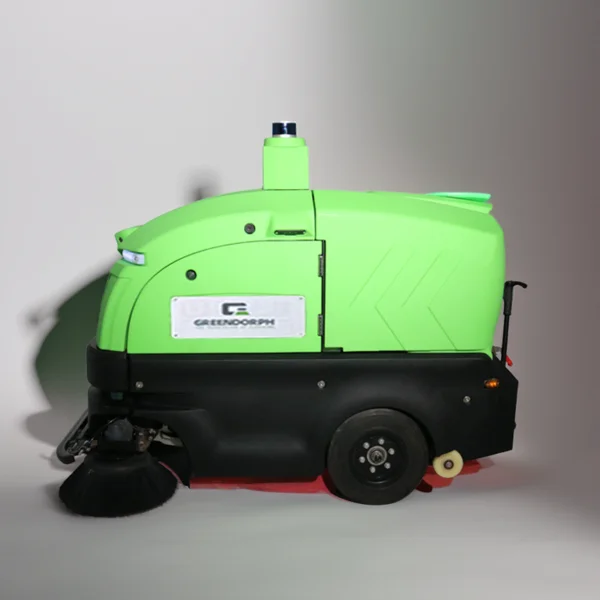
At Greendorph, we have watched facility managers choose cheap outdoor robot cleaner units only to watch them fail within months — stuck on curbs, overwhelmed by debris, or drained before finishing a single shift. The initial purchase price tells only a fraction of the story. Understanding what drives value in an outdoor robot vacuum means looking beyond the quote to examine engineering, autonomy, and total cost of ownership. Here are the investment considerations we recommend every buyer evaluate.
Autonomy Features That Determine Real-World Usability
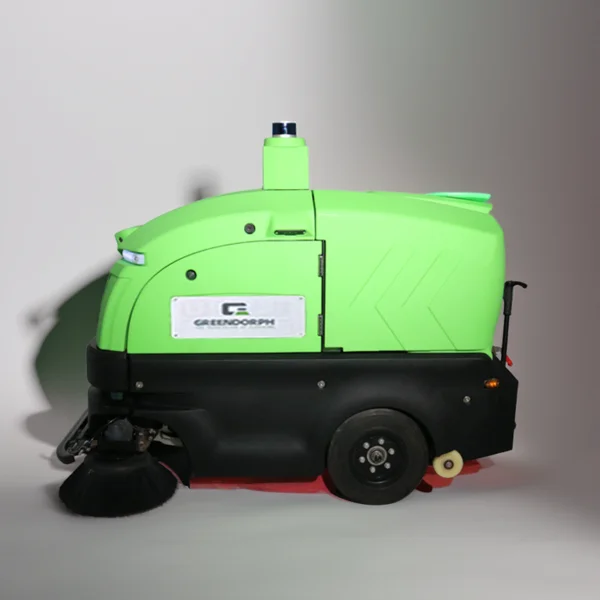
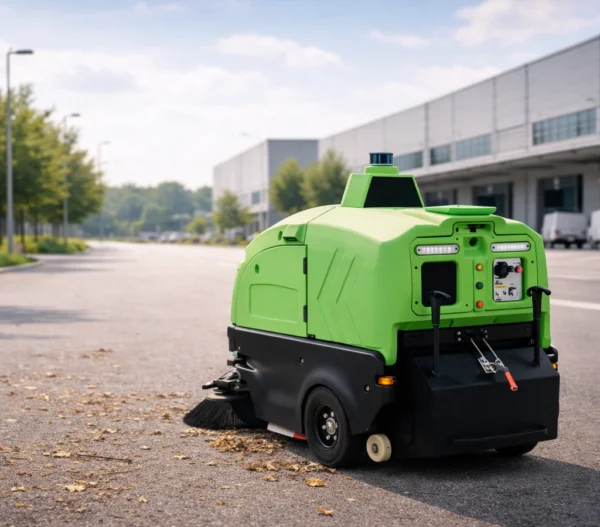
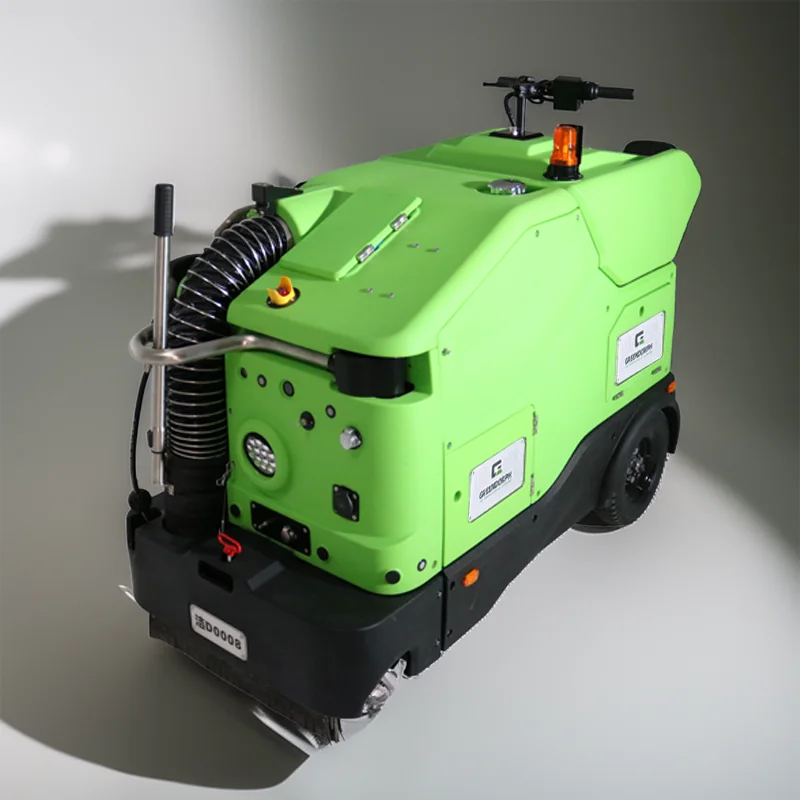
Not all autonomous outdoor robot cleaner systems operate with the same intelligence. A unit that requires constant human intervention defeats the purpose of automation. The Auto Sweeper YJ130 from Greendorph is a fully autonomous outdoor sweeper featuring a primary cleaning system enhanced by three auxiliary functions: suction, airflow-assist, and misting spray. Its autonomous driving capability allows it to navigate complex routes without remote control. When comparing outdoor robot vacuum pricing, ask about navigation sensors, obstacle detection range, and mapping accuracy. A cheaper unit without robust autonomy will demand operator oversight — converting a capital expense into an ongoing labor cost.
Physical Specifications That Match Your Environment
An outdoor robot cleaner that cannot handle your terrain is not a bargain at any price. The YJ130 is built to industrial specifications: size of 1800(L) x 1300(W) x 1520(H)(mm), net weight of approximately 500kg, dual wheel differential drive, climbing ability of 10°, cleaning width of 130cm, and movement speed of 3.6 km/h. These figures matter. Climbing ability determines whether the unit can transition from pavement to ramps. Cleaning width affects how many passes a route requires. Weight influences stability in windy or sloped conditions. Before comparing outdoor robot vacuum price tags, map your facility’s gradients, surface types, and obstacle density. The right specifications for your environment will prevent costly performance gaps.
Total Cost of Ownership Beyond the Sticker
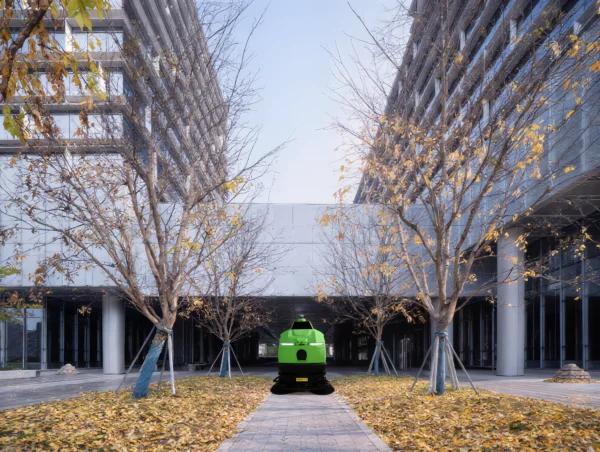
Price is what you pay; value is what you get. A 100% electronically powered outdoor robot cleaner eliminates fuel costs, hydraulic fluid changes, and engine maintenance. The YJ130 operates continuously for 6-8 hours per charge — long enough to cover industrial campuses, parks, or sidewalks without midday recharging. Its three auxiliary functions reduce the need for separate blowing, sweeping, and dust-suppression equipment. When you calculate total cost of ownership, include: battery replacement intervals, average repair hours per month, software update policies, and local service availability. Some outdoor robot vacuum suppliers discount the machine but charge premium rates for ongoing support. Ask for a five-year cost projection before signing anything.
Making a Smart Investment in Outdoor Sanitation
The right outdoor robot cleaner pays for itself through reduced labor, consistent cleaning quality, and fewer equipment replacements. At Greendorph, we engineer every YJ130 for real-world conditions — because we know that industrial buyers need reliability, not marketing promises. Ready to evaluate outdoor robot vacuum options with a clear framework? Let us walk you through a total-cost-of-ownership analysis tailored to your specific routes, debris types, and shift schedules.