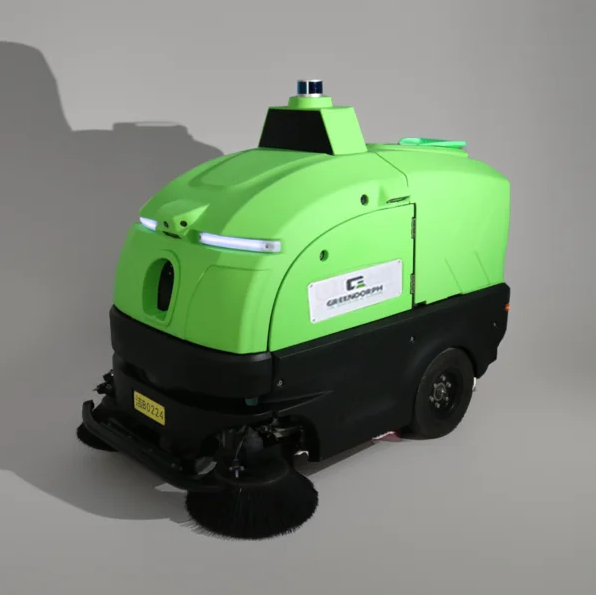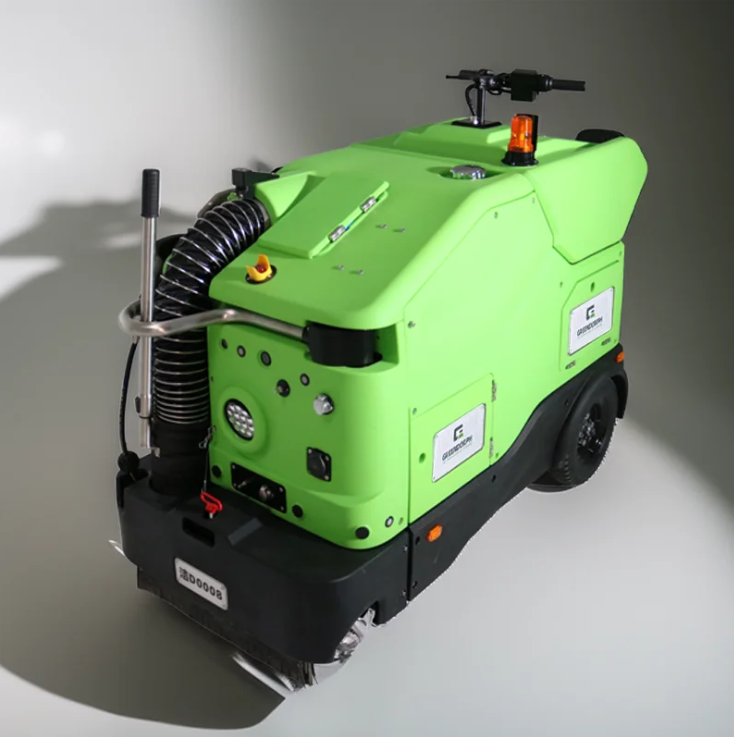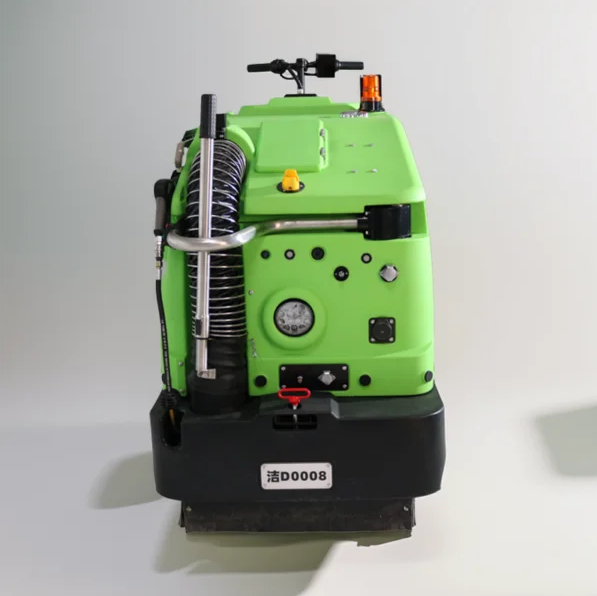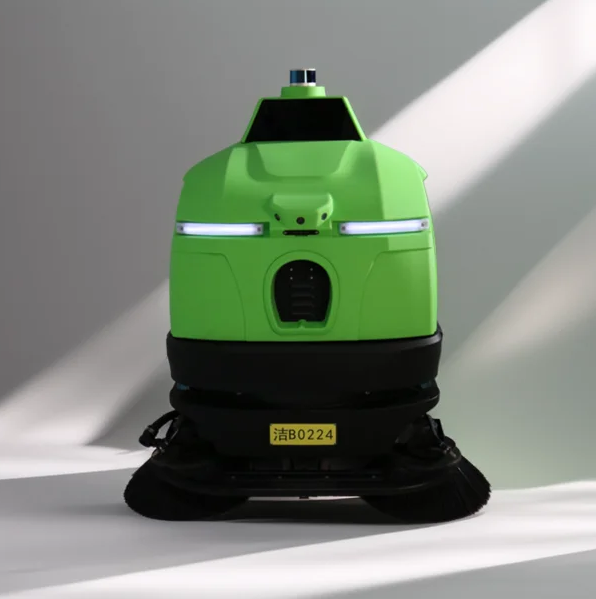
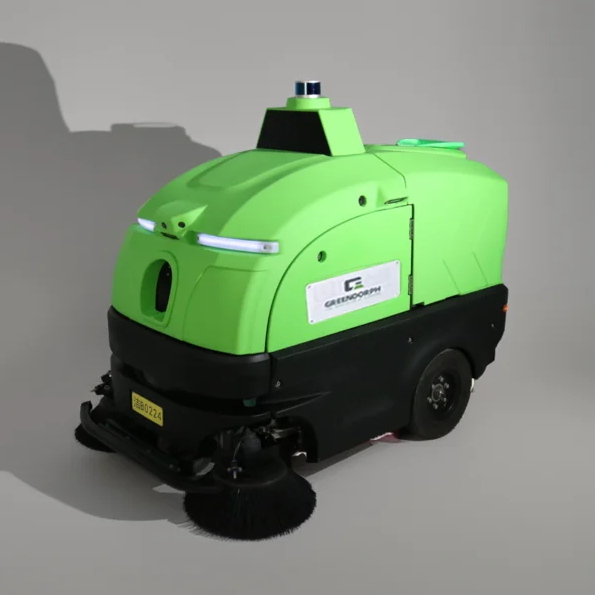
Outdoor cleaning robots are useful where cleaning routes are long, repetitive, and exposed to changing conditions. Parks, industrial campuses, sidewalks, schools, plazas, and similar areas often require frequent sweeping over wide surfaces. In these settings, autonomous equipment can reduce repeated manual walking while keeping cleaning schedules more consistent.
The value of an outdoor robot cleaner depends on the environment rather than machine size alone. Surface type, pedestrian activity, edge conditions, debris volume, route complexity, and working time all affect whether robotic cleaning is practical. For B2B buyers, the key question is where automation can replace repetitive work without making site management more complicated.
Large Parks and Public Open Spaces
Parks often contain long paths, paved squares, planted areas, benches, and curbs. Cleaning teams may need to cover the same routes several times each day. A robot can handle repeated sweeping while staff focus on waste collection, spot cleaning, or areas that require manual tools.
An electric sweeper outdoor machine is particularly suitable when routes are broad and relatively continuous. Autonomous operation helps reduce the need for constant driving. Suction, airflow assistance, and misting can also support cleaning when leaves, dust, and light debris appear across paved areas.
For this type of work, we developed the Auto Sweeper YJ130 with a primary cleaning system supported by suction, airflow-assist, and misting spray. It can operate for 6-8 hours and is designed for large outdoor sanitation tasks. Its cleaning efficiency is rated at over 95%, which supports regular route-based operation in parks and similar spaces.
Industrial Campuses and Logistics Areas
Industrial campuses combine internal roads, loading zones, walkways, entrances, and open yards. These spaces can produce dust, packaging debris, leaves, and particles from vehicle movement. Cleaning demand may also change by shift, which makes route planning important.
Robotic cleaning works well when the site has repeated routes and clearly defined working zones. It can be scheduled around vehicle movement, shift changes, or delivery periods. This helps facility teams avoid placing manual cleaners in busy traffic areas for long periods.
At Greendorph, we view these sites as practical use cases for autonomous outdoor cleaning because the work is frequent and measurable. The robot can follow planned tasks while facility managers keep human workers available for irregular areas, corners, stairs, or tasks that need judgment.
Sidewalks and Pedestrian Routes
Sidewalks are different from open plazas because the cleaning path is narrower and usually has more edges. Trees, curbs, poles, street furniture, and pedestrians can interrupt the route. A suitable outdoor cleaning system therefore needs stable navigation and obstacle awareness.
An outdoor robot cleaner can be useful on long sidewalk sections where the same route is cleaned every day. The main value comes from reducing repeated travel rather than trying to replace every manual task. Operators still need to assess heavy pedestrian interaction, temporary obstructions, and unusually tight access.
The YJ130 is designed for outdoor autonomous work and can resume cleaning after interruptions such as charging, water refilling, or waste-bin emptying. Its system records cleaning progress and continues from the interrupted point after the machine returns to working condition. This can reduce repeated coverage on long routes.
Schools and Institutional Campuses
Schools, universities, hospitals, and other institutional campuses often have large outdoor areas but limited windows for cleaning. Work may need to happen before classes, between busy periods, or after daily activities. Consistent scheduling can be more important than high travel speed.
In these environments, an electric sweeper outdoor solution can take care of repeated sweeping on roads, plazas, courtyards, and connecting paths. The machine can work on planned routes while staff handle entrances, stairs, indoor transitions, and places where people gather closely.
We also consider pedestrian movement, route visibility, and service access when evaluating these projects. Autonomous equipment should be deployed where routes are predictable and cleaning is repetitive. That makes it easier for site managers to judge working hours, charging needs, water use, and waste handling.
What Makes a Site Suitable for Automation?
A good robotic cleaning site usually has several practical characteristics. The route is repeated often, the surface is suitable for wheeled equipment, the working area can be mapped, and the cleaning task involves recurring debris. Wide paths and predictable traffic patterns can make deployment simpler.
Large-area cleaning also benefits from clear operating boundaries. Managers should review slopes, narrow passages, curb conditions, parked vehicles, drainage points, and temporary obstacles before setting routes. They should also decide where the machine will refill water, empty waste, and charge.
Greendorph designs outdoor cleaning robots for this type of structured B2B deployment. Rather than treating automation as a direct substitute for every cleaner, we use it to handle repetitive outdoor routes. Human staff can then focus on irregular work, inspection, and tasks that need flexible judgment.
Choosing the Right Areas First
Outdoor cleaning robots are effective where the task is repetitive, the route can be planned, and the area is large enough to justify automation. Parks, industrial campuses, sidewalks, schools, and similar sites fit these conditions because they combine frequent cleaning with long travel distances.
For facility managers, the starting point is to study the site before choosing equipment. Route length, debris type, working hours, water supply, charging, pedestrian flow, and waste handling all matter. When these factors are reviewed carefully, outdoor cleaning automation can become a practical part of daily sanitation planning.