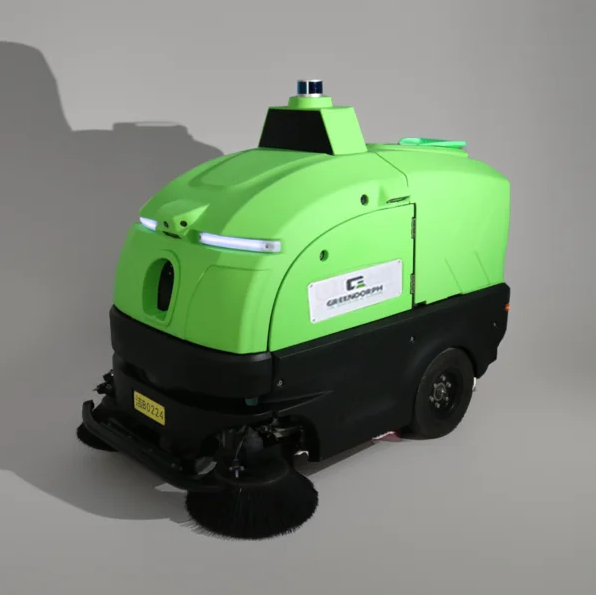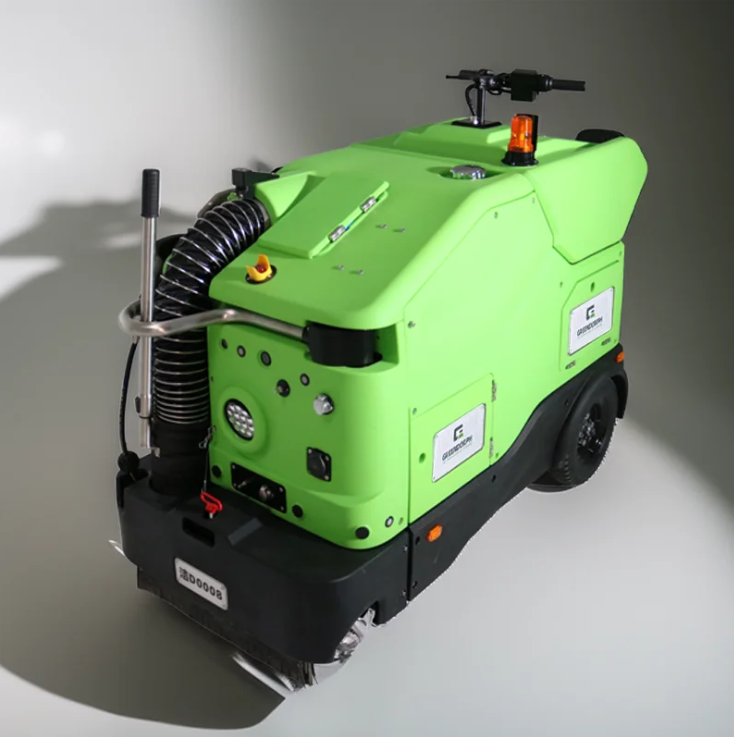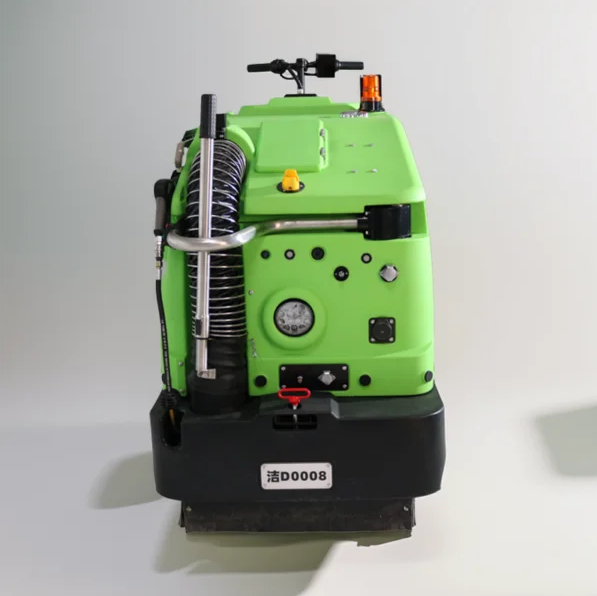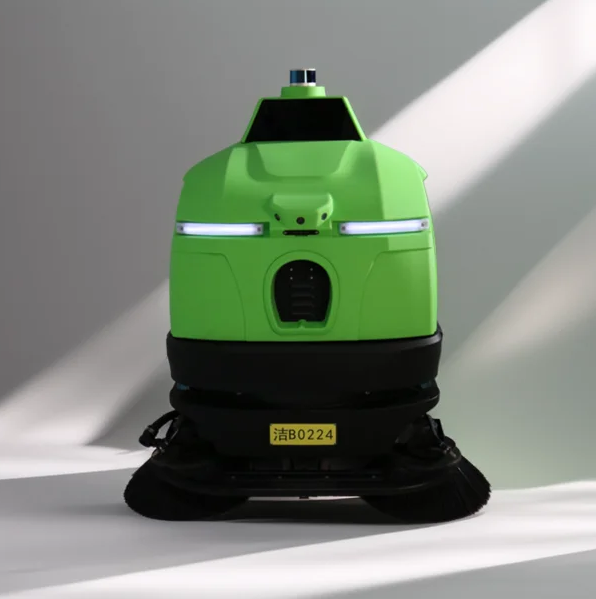
Urban cleaning routes rarely stay uniform. A crew may move from broad sidewalks to narrow lanes, then continue through plazas, park edges, curb lines, and service roads. Large machines can work well on open roads, but their size can become a limitation when routes include tight turns, mixed surfaces, or frequent stops.
For these conditions, a compact street sweeper can give operators more flexibility without breaking the route into too many separate tasks. The value comes from combining maneuverability, practical cleaning functions, and route adaptability in one machine rather than relying on different equipment for every surface.
Mixed Routes Create More Than One Cleaning Problem
Urban cleaning is rarely limited to loose dust. Leaves, litter, fine particles, mud marks, curbside debris, and stains may appear on the same route. A machine designed for only one task can force crews to stop, change equipment, or leave some areas for later treatment.
Route width also changes frequently. A wide pedestrian zone may connect directly to a narrow passage between buildings. Park paths can include benches, trees, curbs, and irregular edges. In these places, turning radius and working width matter as much as cleaning capacity.
Traffic and pedestrian activity add another layer. Cleaning teams often need to work around parked vehicles, delivery activity, public furniture, and people moving through the area. Compact equipment can reduce unnecessary repositioning when the path becomes narrow or crowded.
This is why buyers should evaluate a street cleaning sweeper by route complexity, not only by nominal productivity. The right question is whether the machine can keep working as surface type, access width, and debris conditions change during one shift.
Compact Size Supports Route Continuity
A smaller footprint can reduce interruptions during a mixed route. Operators can move from open pavement into tighter sections without returning to a depot or switching to a second vehicle. This can simplify route planning for municipal contractors and facility teams.
Compact equipment is also useful where edge cleaning is important. Curbs, walls, planted borders, and narrow road shoulders often collect debris that larger machines cannot approach closely. Flexible maneuvering allows crews to spend less time on repeated passes.
For B2B users, continuity has an operational value. Fewer machine changes can reduce handover time between tasks. It can also simplify staffing because one unit can cover several cleaning conditions during the same work period.
At Greendorph, we use this mixed-route logic when considering machine design. Compact dimensions need to work together with suction, blowing, water use, and edge access so the machine remains practical across different urban sections.
Multiple Functions Reduce Equipment Switching
Different parts of a route often require different cleaning actions. Fine dust may call for suction and misting, while stuck dirt may need water spray or higher-pressure flushing. Dry leaves can also require airflow before collection. Combining functions can reduce the need for separate machines.
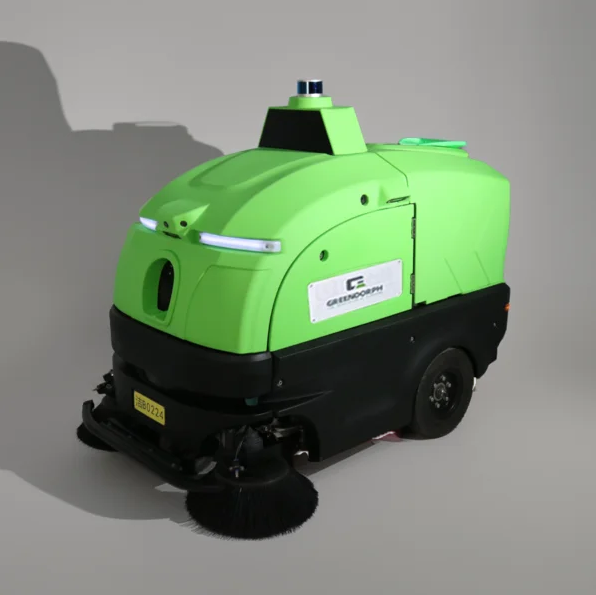
Our YJ80 Vacuum Street Sweeper uses a negative-pressure suction system as its core cleaning method. It also combines targeted vacuum-tube collection, dust-suppression misting, turbine-speed airflow blowing, water-spray cleaning, and high-pressure surface flushing. These functions help one machine respond to several route conditions.
The machine is designed for up to 8 hours of operation per charge, which supports longer shifts when route length and task density are planned. Its fully electric design also keeps operating noise low, which can be useful around campuses, parks, residential areas, and commercial districts.
A multifunctional design does not mean every function should be used at once. Operators still need to match the cleaning method to the debris. Dry litter, fine dust, wet residue, and surface stains should be treated differently to avoid wasting water, battery capacity, or working time.
Route Planning Still Matters
Compact machines improve flexibility, but route design still affects productivity. Teams should group similar surfaces where possible, identify narrow access points in advance, and mark areas that need water or high-pressure treatment. This helps teams select the right cleaning mode before each section.
Debris volume should also be considered. A route with heavy leaf accumulation may require different collection intervals from a route dominated by fine dust. Water consumption also changes when flushing is used frequently. Operators should plan refill and discharge points before the shift begins.
Weather can change the cleaning approach. Wind may move loose litter into corners, while rain can turn fine dust into residue that needs more direct washing. Good route planning helps crews adapt without repeatedly retracing completed sections.
For mixed urban routes, a second street sweeper pass is sometimes less efficient than using the correct function during the first pass. Matching suction, blowing, misting, or flushing to the actual surface condition can make the route more consistent from one section to the next.
A Practical Fit for Mixed Urban Work
The main advantage of compact sweepers is not simply their size. Their usefulness comes from moving through varied spaces while handling different types of debris with fewer equipment changes. This is especially relevant for operators managing parks, sidewalks, plazas, internal roads, and connected public areas.
When evaluating a street cleaning sweeper, buyers should compare maneuverability, cleaning functions, working time, water use, edge access, and route layout together. At Greendorph, the YJ80 is developed around this type of mixed urban work, where practical movement and multiple cleaning methods need to support the same route.