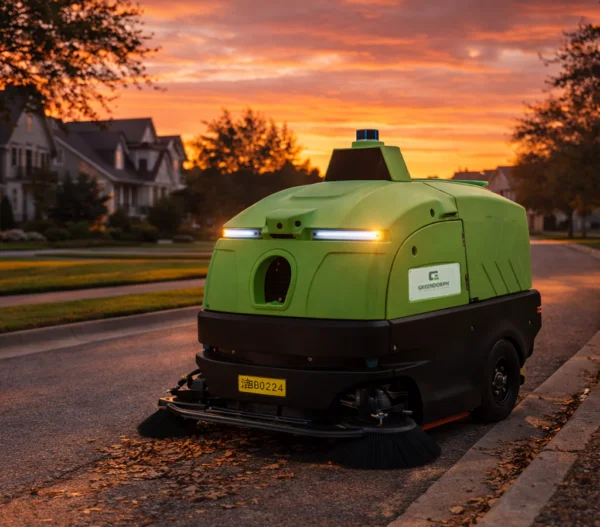
Keeping residential properties clean is a daily management task. Apartment buildings often include entrances, corridors, elevator halls, parking access areas, and shared spaces. These areas collect dust, footprints, small debris, and moisture throughout the day.
For property managers, the question is not simply how to clean a floor. They also decide how often each area should be cleaned, how workers are assigned, and how cleaning fits around residents. This is why residential floor cleaning machines are considered for property maintenance.
Daily Cleaning Covers More Than One Small Area
Residential properties contain public zones that require different cleaning frequencies. An entrance may need repeated attention on rainy days, while corridors may follow a regular daily schedule. Elevator halls and parking access areas can also become dirty at different rates.
If every area depends only on manual mopping, staff may spend considerable time moving water, tools, and materials between locations. Repetitive floor work can also make it harder to maintain the same cleaning pace across a large property.
Mechanical cleaning gives property teams another way to organize these jobs. Managers can assign equipment to suitable routes and combine repeated floor-cleaning steps into a clearer workflow.
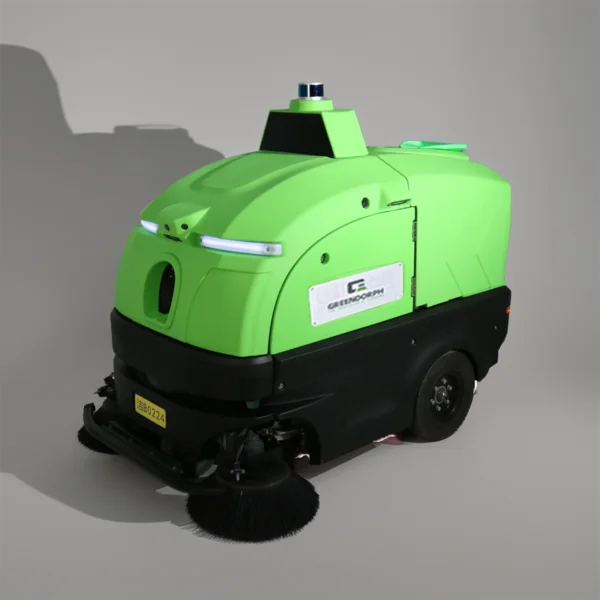
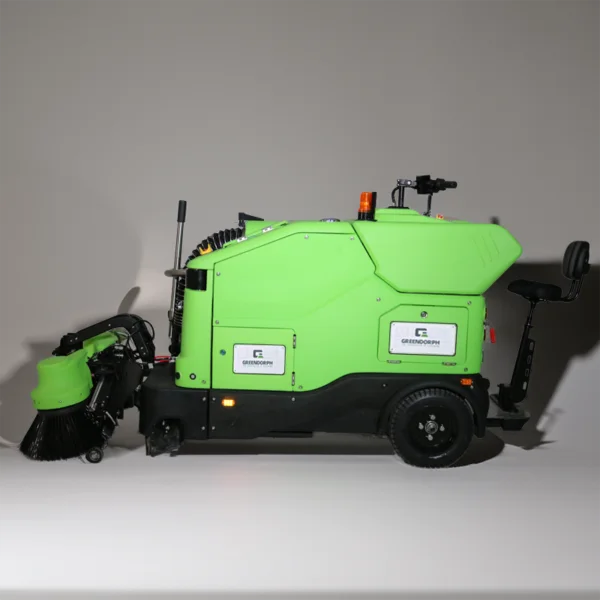
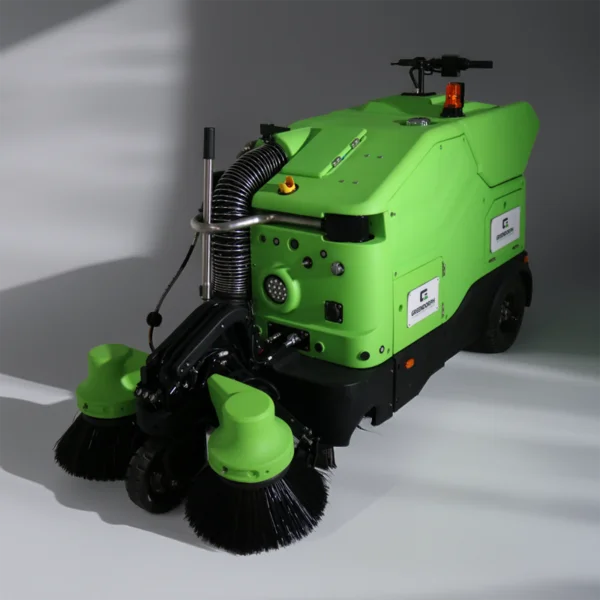
This is one reason a residential floor scrubber machine can be useful in properties with repeated floor-washing needs. It may fit broad corridors, lobbies, and other spaces where routes are clear and floor surfaces allow machine operation.
Property Managers Need Predictable Cleaning Schedules
Property cleaning is closely connected with time management. Staff may work before morning traffic, after peak entry periods, or during quieter hours. The same team may also handle waste collection, inspections, minor maintenance, and related duties.
Using equipment can make floor-cleaning time easier to plan. Managers can estimate which routes can be completed mechanically and which areas still require manual work. This gives supervisors a clearer basis for assigning staff during each shift.
A practical schedule can separate high-traffic zones from lower-traffic spaces. Entrances and elevator halls may receive more frequent cleaning, while less-used corridors can follow another cycle.
For larger sites, this matters because cleaning is repeated every day. Better route organization can reduce unnecessary back-and-forth movement and help staff focus on areas that need attention.
Consistency Matters Across Shared Residential Areas
Residents notice shared spaces as they move through a property. If one entrance looks clean while another corridor is left with visible marks, the difference can affect how routine property maintenance is perceived.
Manual methods depend partly on individual working habits. Water quantity, mop condition, cleaning speed, and repeated passes can vary between workers. Equipment can help standardize part of the floor-cleaning process when it is used according to a defined procedure.
For property service companies reviewing residential floor cleaning machines, the question is whether the equipment fits an existing maintenance routine. Machine size, turning space, cleaning path, storage location, and charging or power arrangements should be checked before use.
At Greendorph, we look at cleaning equipment from an application perspective. For property-related projects, we consider working areas, route conditions, and daily maintenance needs before discussing equipment options. This keeps the discussion focused on the property environment rather than a long feature list.
Labor Can Be Assigned to More Suitable Tasks
Floor cleaning is only one part of residential property work. Staff may also clean handrails, remove rubbish, inspect public areas, respond to resident requests, and prepare shared facilities for daily use.
When suitable floor areas can be handled with equipment, managers have more flexibility in assigning labor. One worker may complete a machine-cleaning route while other team members handle detailed cleaning that still requires manual work.
This division is useful in properties with broad corridors, lobbies, or continuous floor areas. These spaces are easier to organize into repeatable routes than small rooms with furniture or many obstacles.
The goal is not simply to reduce headcount. Machines can handle repetitive floor passes, while staff spend more time on corners, edges, spills, inspection points, and other areas that need closer attention.
Equipment Choice Should Follow Property Conditions
Not every residential property needs the same cleaning setup. A compact apartment building may rely mainly on manual tools, while a larger managed community may benefit from a residential floor scrubber machine for selected shared areas.
Property managers should review floor material, area size, passage width, elevator access, storage space, and cleaning frequency. They should also consider whether operators can move the machine between floors and whether routine maintenance is practical on site.
Greendorph serves business customers with cleaning equipment for property and environmental maintenance scenarios. We focus on matching equipment use with actual site conditions rather than treating one configuration as suitable for every building.
Equipment creates practical value only when it fits the route, staff arrangement, and maintenance plan. A machine that is difficult to store or move may create extra work instead of simplifying daily cleaning.
A More Structured Way to Manage Floor Care
Property managers use floor-cleaning equipment because residential cleaning is repetitive, route-based, and closely tied to staff scheduling. Machines can help organize suitable floor areas into clearer cleaning cycles while detailed work remains with manual methods.
For a property team, the practical value comes from better task allocation, more consistent procedures, and clearer maintenance planning. The decision still depends on building layout and daily workload. When equipment matches real site conditions, floor care becomes easier to manage within wider property operations.