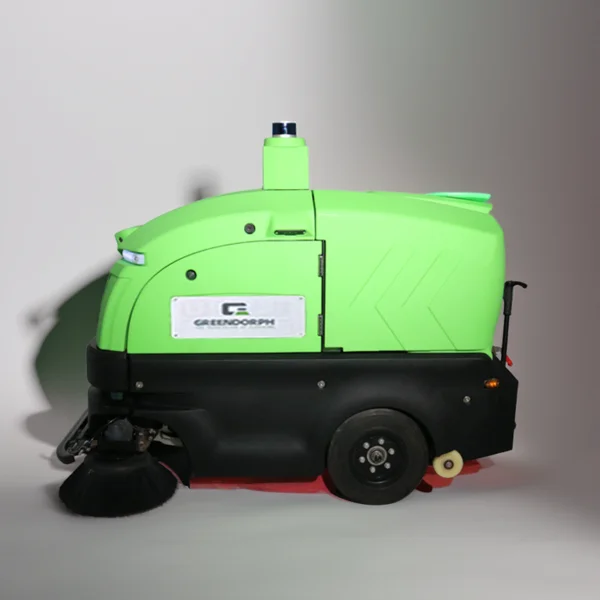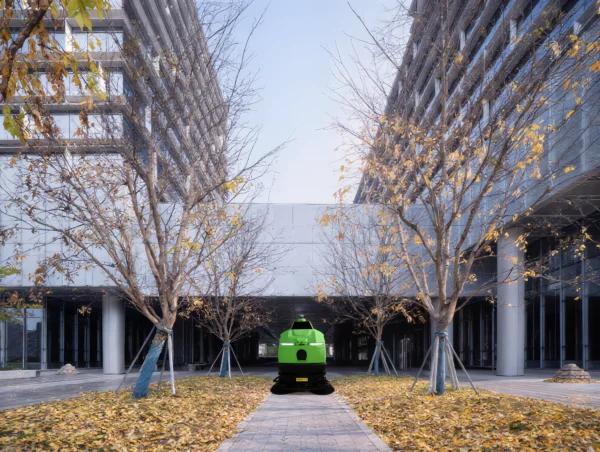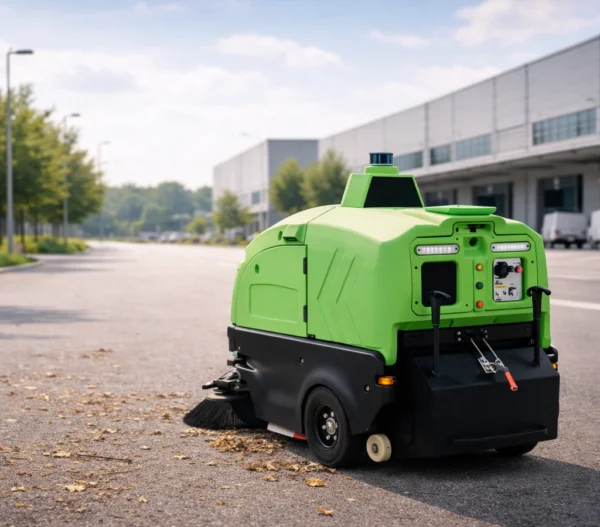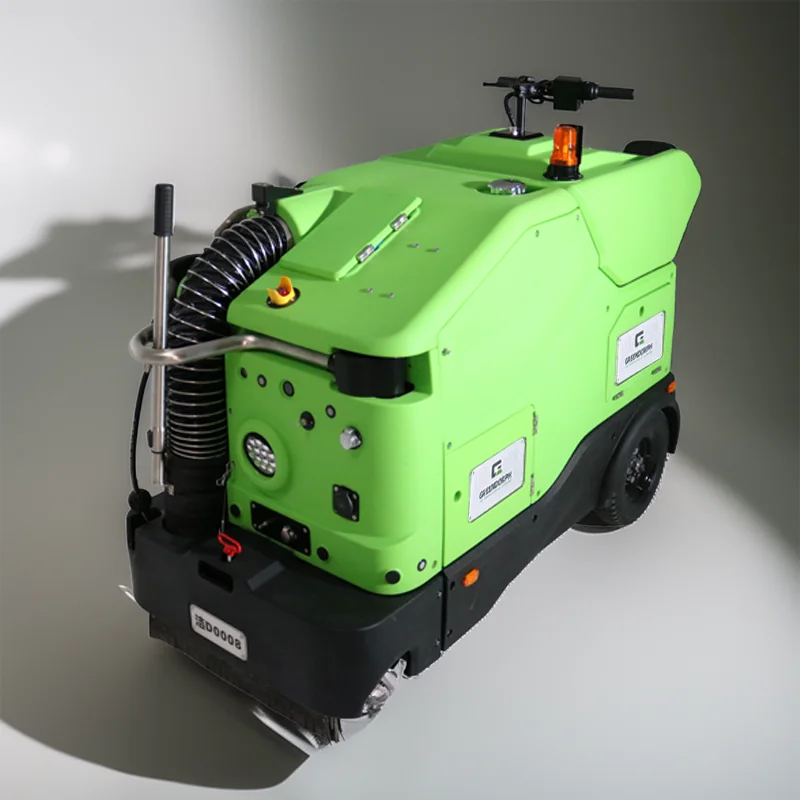
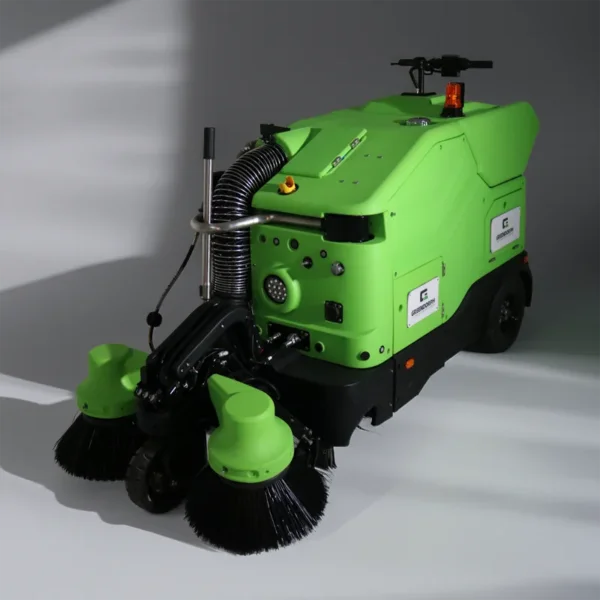
We at Greendorph have observed a clear transition in how industries approach large-scale cleaning. The demand for efficiency, sustainability, and operational simplicity is reshaping how modern facilities evaluate floor cleaning machines. Across logistics centers, manufacturing plants, and commercial buildings, decision-makers are increasingly moving away from fuel-based systems and toward electric-powered alternatives.
This change is not only about environmental goals. It is closely tied to long-term operational costs, regulatory expectations, and the rising need for smarter cleaning workflows.
Energy Efficiency and Lower Operating Costs
One of the most important reasons behind this transition is energy efficiency. Modern electric systems rely on lithium-ion battery technology that delivers longer runtime and faster charging cycles compared to traditional power sources. These improvements reduce downtime and improve productivity in daily operations.
Industry data shows that a significant share of new equipment purchases now includes battery-powered systems designed to reduce energy consumption and maintenance requirements. For many operators, the reduction in fuel handling and mechanical servicing creates a more predictable cost structure over time.
Sustainability Driving Equipment Redesign
Environmental expectations are influencing procurement decisions across global industries. Facilities are expected to reduce emissions and limit water and chemical usage during cleaning processes. Electric solutions support this shift by offering cleaner operation with fewer direct emissions and improved resource control.
Manufacturers of floor cleaning machines are increasingly prioritizing eco-friendly engineering, including reduced water usage and optimized detergent distribution systems. This aligns with sustainability targets in sectors such as healthcare, retail, and public infrastructure.
Automation and Smart Integration
Another factor accelerating the shift is the rise of intelligent cleaning systems. Electric platforms are more compatible with digital features such as route optimization, predictive maintenance, and real-time monitoring.
Connected equipment is becoming more common, with hundreds of thousands of machines already integrated into IoT-based systems for improved operational visibility. This allows facility managers to track performance, reduce labor dependency, and improve cleaning consistency across large environments.
The Role of Floor Cleaning Machines in Modern Facilities
For industries relying on large-scale cleaning operations, floor cleaning machines are no longer just mechanical tools. They are now part of a broader facility management system. Electric models support this evolution by enabling quieter operation, easier training, and more flexible deployment across different environments.
As labor costs rise and hygiene expectations increase, demand continues to grow for automated and electric-first solutions in both industrial and commercial settings.
How Manufacturers Are Adapting
For floor cleaning machine manufacturers, this shift requires continuous innovation in battery performance, automation systems, and machine durability. Competition is increasingly defined by how well a company integrates smart technologies into reliable electric platforms.
At Greendorph, we focus on developing electric cleaning solutions that align with these industry needs. Our approach emphasizes practical efficiency, reduced operational complexity, and long-term usability for diverse industrial environments.
Conclusion
The move toward electric technology is reshaping the global cleaning equipment landscape. From energy savings to automation and environmental responsibility, the advantages are driving widespread adoption across industries. For floor cleaning machine manufacturers and facility operators alike, electric systems represent a practical response to modern operational demands.
At Greendorph, we continue to support this transition by building solutions designed for evolving industrial requirements and long-term performance.