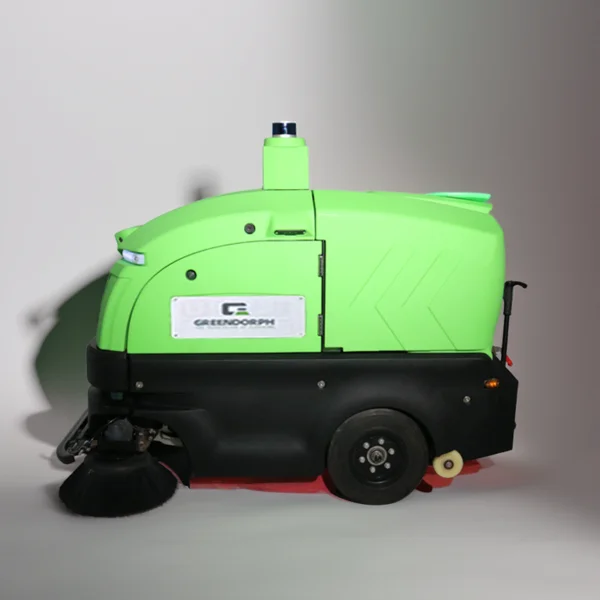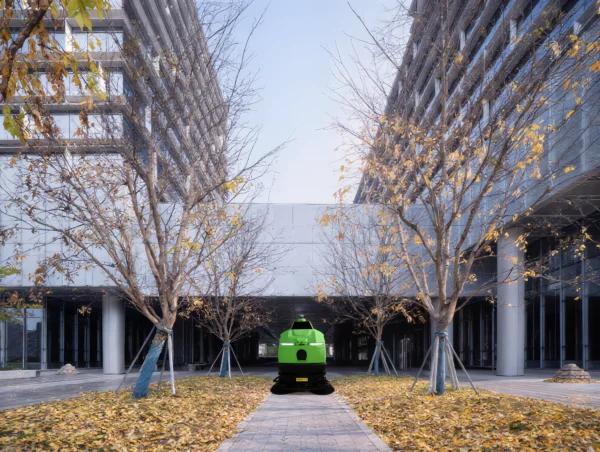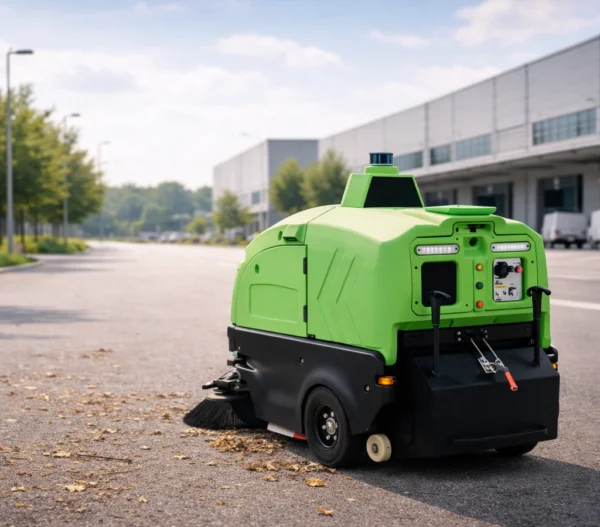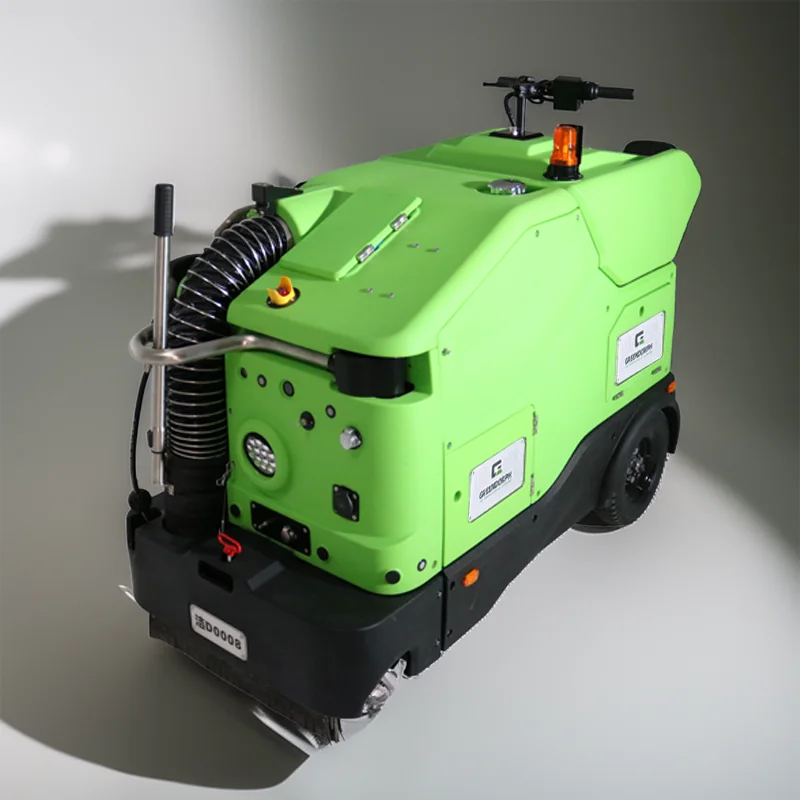
The evolution from consumer-grade automation to industrial-scale cleaning solutions represents one of the more significant engineering shifts occurring in the floor care equipment sector. Historically, the consumer market drove innovation in robot vacuum cleaner manufacturers, focusing on compact form factors, quiet operation, and integration with smart home ecosystems. However, as commercial and industrial facilities began demanding autonomous cleaning capabilities, the engineering requirements changed fundamentally. We have observed this transition firsthand through our own development work and through analysis of how the broader manufacturing landscape is responding to industrial operational demands.
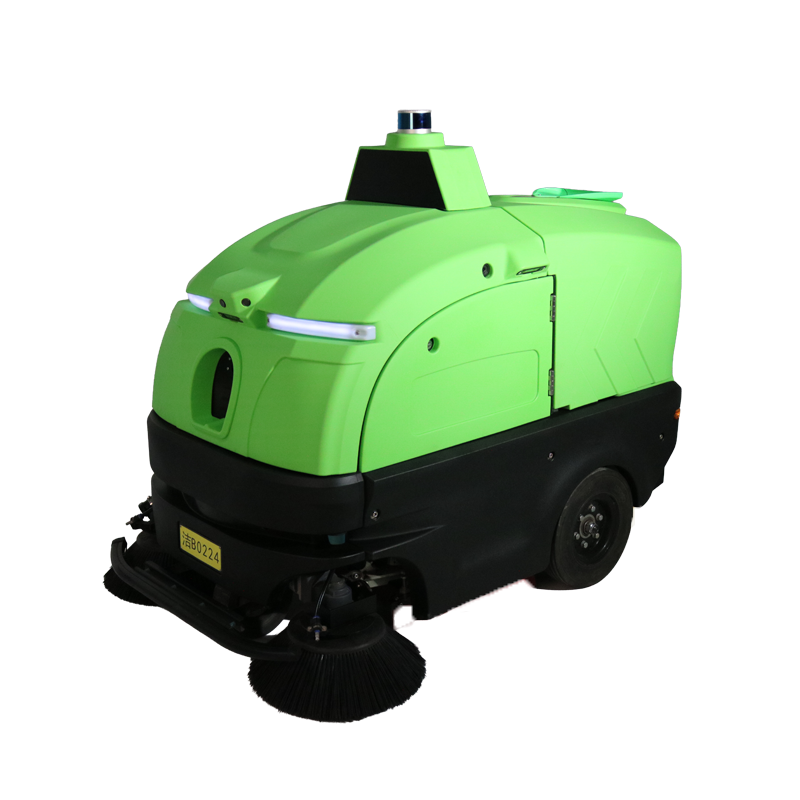
Engineering for Continuous Duty Cycles and Surface Diversity
Consumer robotics typically operate for one to two hours per day on predictable, low-variability surfaces. Industrial environments present a different set of constraints. Factories, warehouses, and commercial facilities require equipment capable of continuous operation across shifts, often covering multiple surface types within a single deployment. Leading robot vacuum cleaner manufacturers have responded by redesigning powertrain architecture around commercial-grade components—brushless motors rated for thousands of operating hours, thermal management systems that sustain performance in ambient temperatures exceeding 40 degrees Celsius, and battery configurations that support extended runtime with opportunity charging. The engineering shift extends to chassis construction as well. Where consumer units prioritize aesthetic design, industrial-focused robot floor cleaner models now incorporate reinforced frames, sealed electronics, and modular component layouts that simplify field service. Facilities we have worked with report that these durability enhancements directly correlate with reduced downtime and extended equipment lifespan compared to adapted consumer units.
Sensor Architecture for Dynamic, Unstructured Environments
The navigation requirements of industrial spaces differ substantially from residential layouts. Consumer robot vacuum cleaner manufacturers optimized their sensor suites for structured indoor environments with predictable room geometries and limited dynamic obstacles. Industrial settings introduce forklift traffic, shifting inventory layouts, overhead doors, and uneven floor transitions. Manufacturers adapting to this market have integrated sensor fusion architectures that combine multiple modalities—three-dimensional lidar for structural mapping, stereoscopic cameras for object classification, and inertial measurement units for maintaining localization during temporary sensor occlusion. We evaluate these systems by their ability to operate reliably in environments where ceiling heights vary, lighting conditions change across shifts, and temporary obstacles appear without warning. The most capable robot floor cleaner units in industrial applications now incorporate predictive path planning that anticipates dynamic changes rather than reacting to them after contact.
Integration with Facility Management Infrastructure
Perhaps the most significant adaptation among robot vacuum cleaner manufacturers involves software architecture. Consumer robotics rely on isolated mobile applications with limited integration capabilities. Industrial operations require that cleaning equipment communicate with building management systems, warehouse execution software, and enterprise asset management platforms. Manufacturers serving this segment now offer application programming interfaces that enable real-time status reporting, maintenance scheduling, and fleet coordination. We have seen this shift manifest in the adoption of standardized communication protocols such as MQTT and REST APIs, allowing the robot floor cleaner to function as a data-producing node within broader operational technology infrastructure. Facilities using these integrated systems gain visibility into cleaning completion rates, equipment utilization, and predictive maintenance needs without requiring staff to manually check individual units. This integration transforms the cleaning operation from a standalone function into a measurable component of facility management.
The response of robot vacuum cleaner manufacturers to industrial requirements demonstrates how automation technology matures through application in demanding environments. Continuous-duty engineering, advanced sensor architecture, and enterprise software integration represent the three pillars of this adaptation. For facilities considering automation, the availability of equipment specifically engineered for industrial conditions rather than adapted from consumer platforms determines whether the investment delivers sustained operational value. We at Greendorph continue to monitor these engineering trends as robot floor cleaner technology evolves, ensuring that the solutions we develop and deploy align with the rigorous demands of industrial and commercial applications.