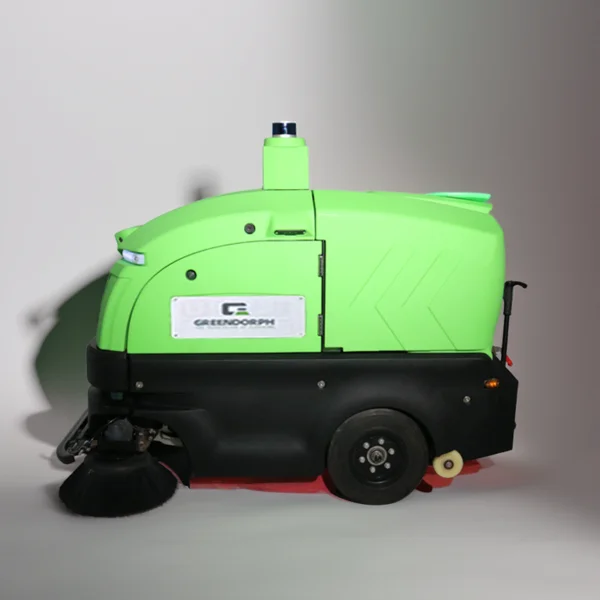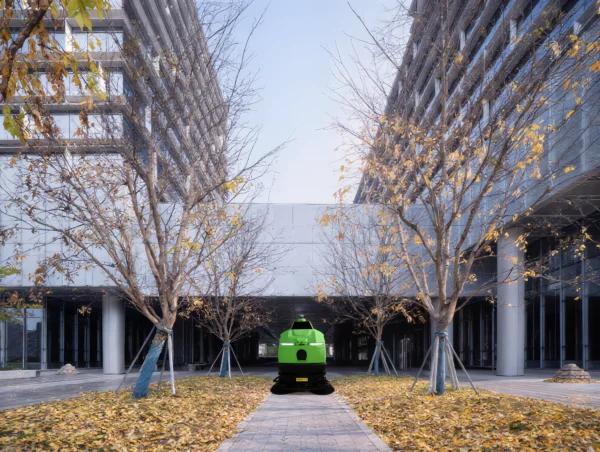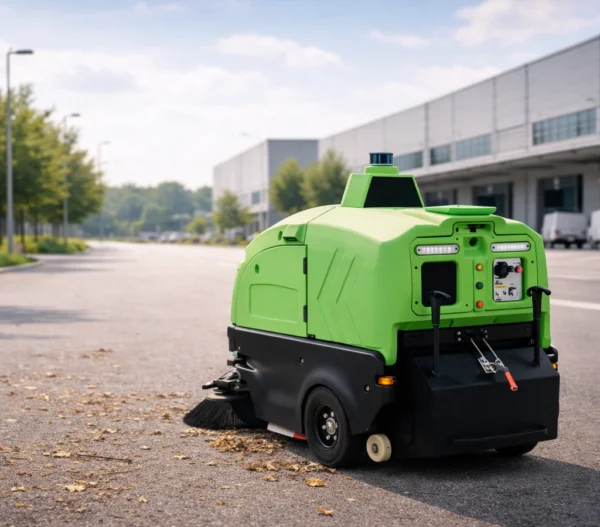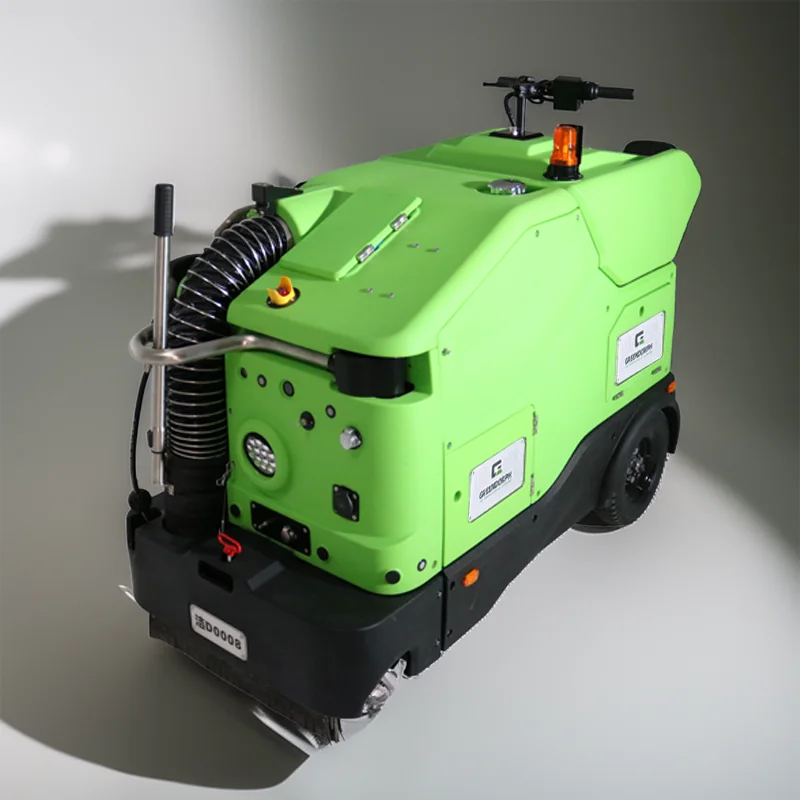
Competitions in autonomous robotics serve as proving grounds where theoretical algorithms meet real‑world constraints. For manufacturers of floor cleaning machines, these events demand more than raw processing power—they require integrated systems that balance navigation precision, energy efficiency, and operational reliability under time‑sensitive conditions. At Greendorph, our participation in and success across multiple AI‑driven autonomous cleaning competitions is not accidental. It reflects a deliberate engineering philosophy that treats every competition as a high‑fidelity validation environment for technologies that ultimately deploy into commercial applications. Understanding why Greendorph floor cleaning machines consistently outperform competing entries requires examining three foundational elements embedded in our development approach.
Algorithmic Maturity Built on Real‑World Deployment Data
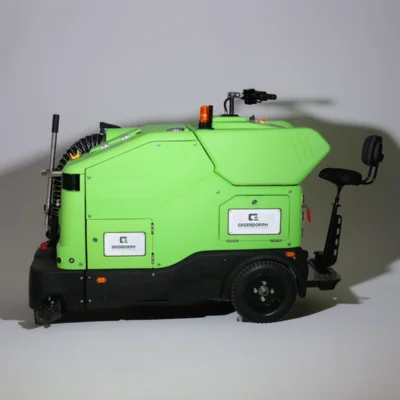
Many autonomous systems excel in controlled laboratory settings yet falter when confronted with unpredictable outdoor environments. Our advantage stems from the fact that Greendorph floor cleaning machines are not competition‑specific prototypes; they are evolved from commercial platforms already operating across more than 300 global project sites. This means the perception algorithms, path‑planning logic, and obstacle‑handling routines deployed in competitions have been refined through thousands of operational hours in parks, transportation hubs, and industrial facilities. When competition scenarios introduce dynamic elements—pedestrian interference, unexpected obstacles, or varying surface conditions—our systems respond with behaviors honed by actual field data rather than simulated environments. The iterative feedback loop from deployed floor cleaning machines directly informs the software stacks we bring to competitive events, creating a maturity advantage that purely research‑based entries cannot replicate.
Sensor Fusion Architecture Designed for Environmental Complexity
AI competitions often test autonomous systems under conditions that mimic real operational challenges: low‑angle sunlight that disrupts optical sensors, reflective wet surfaces that confuse LiDAR returns, and GPS‑denied zones that force reliance on alternative localization methods. Our engineering team has architected Greendorph floor cleaning machines with multi‑modal sensor fusion that redundantly covers these edge cases. The integration of solid‑state LiDAR, high‑dynamic‑range cameras, ultrasonic arrays, and inertial measurement units allows the system to maintain accurate localization even when individual sensors are temporarily compromised. This architectural robustness translates directly to competition performance, where judges evaluate not only cleaning coverage but also failure recovery and uninterrupted operation. A floor cleaning machine that loses localization under a tree canopy or during sudden lighting changes accumulates penalty points; our sensor fusion approach minimizes such vulnerabilities through hardware and software co‑design.
Cloud‑Connected Learning and Fleet‑Level Optimization
A distinguishing characteristic of our competition strategy lies in how we leverage cloud intelligence. Each Greendorph floor cleaning machine participating in an event is connected to our AI smart cloud platform, which aggregates performance data across the fleet in real time. When one unit encounters a novel scenario—an unconventional obstacle layout or an unexpected surface transition—the cloud processes that experience and disseminates refined behavioral parameters to other units within the competition environment. This fleet‑learning capability means that floor cleaning machines from Greendorph improve collectively throughout an event, a feature that single‑unit competitors cannot match. The same cloud infrastructure that enables this competition advantage also powers our commercial deployments, where fleet‑level optimization translates into reduced energy consumption, extended component life, and consistent cleaning outcomes across large facility portfolios.
Dominance in AI competitions for floor cleaning machines is not ultimately about winning trophies; it is a demonstration of engineering rigor that predicts real‑world commercial success. At Greendorph, we view each competition as an opportunity to stress‑test our systems against the most demanding scenarios, accelerate innovation cycles, and validate the same technologies that our clients rely on daily. The algorithms, sensor architectures, and cloud intelligence that enable Greendorph floor cleaning machines to excel in competitive environments are the very features that deliver reliable, efficient, and intelligent cleaning performance across the hundreds of commercial deployments we support worldwide.