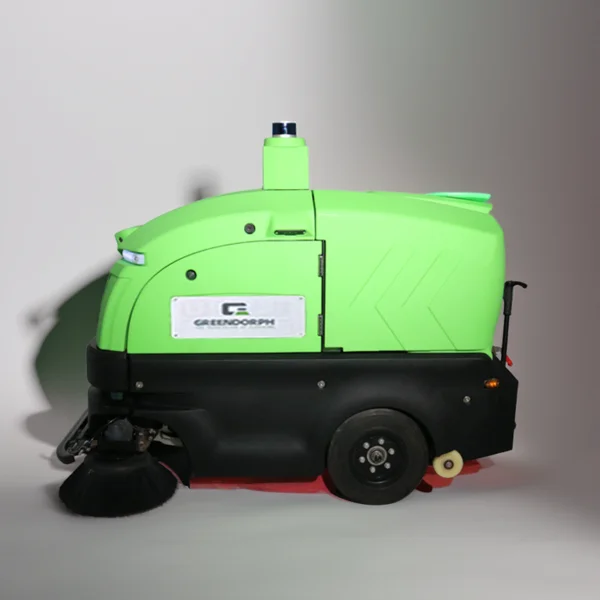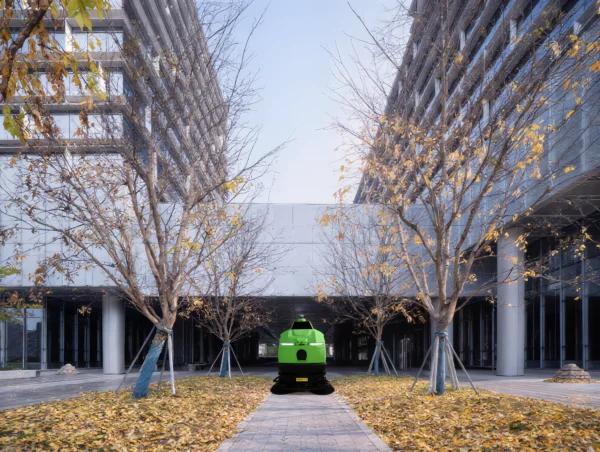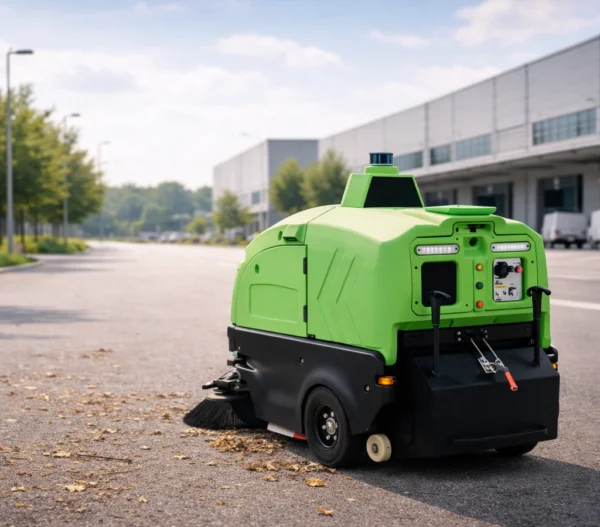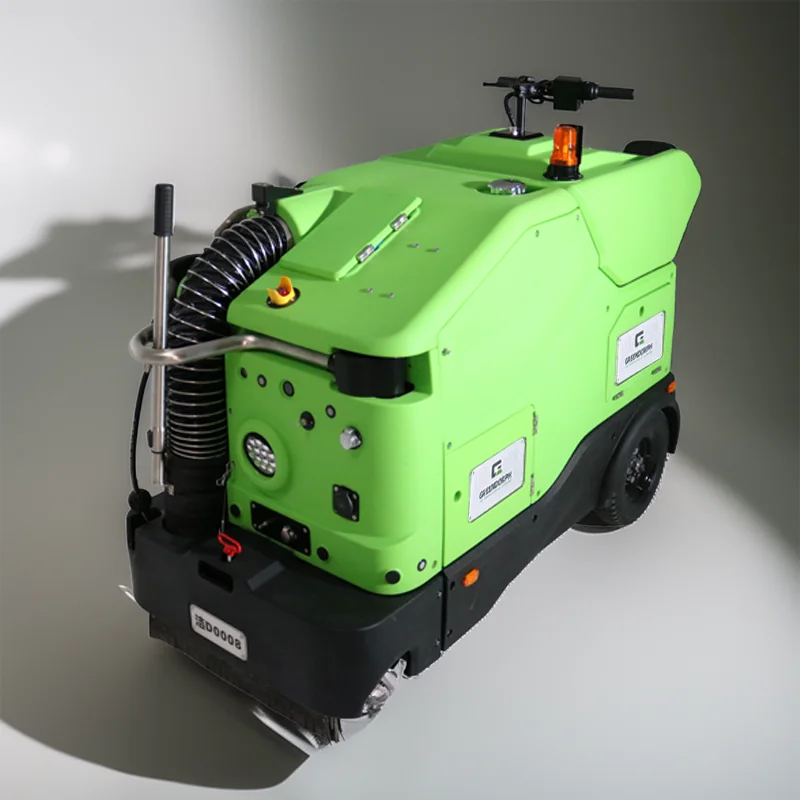
Pavement deterioration is often viewed as an inevitable consequence of time and traffic. However, facility managers who adopt a scientific approach to maintenance recognize that the rate of degradation is heavily influenced by controllable factors—chief among them, the consistency and quality of surface cleaning. A parking lot sweeper does more than improve aesthetic appearance; it functions as a preventive maintenance tool that directly influences the structural life of asphalt and concrete surfaces. At Greendorph, we have analyzed pavement conditions across commercial sites where commercial parking lot cleaning is conducted with varying frequency and equipment standards. The correlation between cleaning protocols and pavement service life is both measurable and significant, with implications for capital expenditure planning and asset management.
Abrasive Debris as a Mechanical Wear Accelerator
The most immediate threat to pavement longevity comes from abrasive materials that accumulate on driving surfaces. Sand, fine gravel, and construction debris act as rolling abrasives between vehicle tires and the pavement surface. With each pass of traffic, these particles create micro‑abrasions that progressively erode the asphalt binder or concrete surface layer. Over time, this mechanical wear exposes aggregate, creates raveling in asphalt, and accelerates joint deterioration in concrete sections. A parking lot sweeper equipped with adequate suction and brush agitation removes these abrasives before they can embed into the pavement matrix. The effectiveness of commercial parking lot cleaning in this context depends on frequency: debris removal that occurs weekly prevents the cumulative wear that would otherwise manifest as premature surface failure. From a tribology perspective, the relationship is straightforward—eliminating the abrasive medium eliminates the primary mechanism of mechanical pavement wear.
Chemical Degradation from Fluid Accumulation
Beyond mechanical abrasion, pavement surfaces face chemical degradation from accumulated automotive fluids. Oil, hydraulic fluid, diesel fuel, and coolant leaks from parked vehicles penetrate asphalt surfaces, breaking down the binder that holds aggregate together. Once fluid infiltration occurs, the affected area becomes susceptible to raveling, pothole formation, and structural weakening that spreads beyond the original spill zone. Regular commercial parking lot cleaning addresses this threat through proactive fluid removal before absorption occurs. A parking lot sweeper with efficient suction and filtration can extract surface‑standing fluids and the contaminated dust that adheres to them. In facilities where cleaning schedules are aligned with traffic patterns, the incidence of petroleum‑induced pavement failure drops substantially. Furthermore, the accumulation of chloride‑based deicers during winter months introduces another chemical stressor; these salts accelerate concrete spalling and asphalt oxidation. Consistent commercial parking lot cleaning removes residual salts before they undergo repeated freeze‑thaw cycles with the pavement structure.
Water Management and Drainage Preservation
Proper drainage is fundamental to pavement longevity, yet drainage systems are vulnerable to neglect. Storm drains, catch basins, and permeable pavement joints lose functionality when clogged with leaf litter, sediment, and litter. Water that should exit the pavement surface instead ponds, saturating subgrade materials and weakening the structural base. During freeze events, trapped water expands, causing frost heaves and accelerated cracking. A parking lot sweeper with high‑capacity debris handling prevents this cascade by capturing material before it migrates to drainage infrastructure. Commercial parking lot cleaning programs that include attention to drain aprons and curb lines ensure that water management systems remain operational. The data from facilities with structured cleaning protocols show measurable reductions in drainage‑related pavement repairs, particularly in regions with seasonal freeze‑thaw cycles. When water flows as designed, the pavement structure experiences the loading conditions it was engineered to withstand.
The case for systematic commercial parking lot cleaning extends well beyond surface appearance. By removing abrasive debris, mitigating chemical contamination, and preserving drainage function, a parking lot sweeper becomes an integral component of pavement asset management. At Greendorph, our deployments across commercial, industrial, and institutional facilities consistently demonstrate that cleaning frequency and equipment capability directly correlate with extended pavement service life. For facility operators, this translates to deferred capital expenditures, reduced disruption from repairs, and safer surfaces for users. Pavement longevity is not determined solely by initial construction quality; it is earned through consistent, scientifically informed maintenance practices.