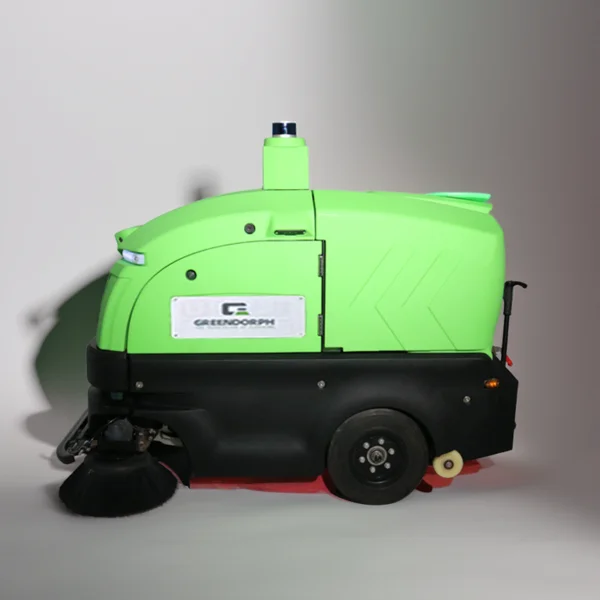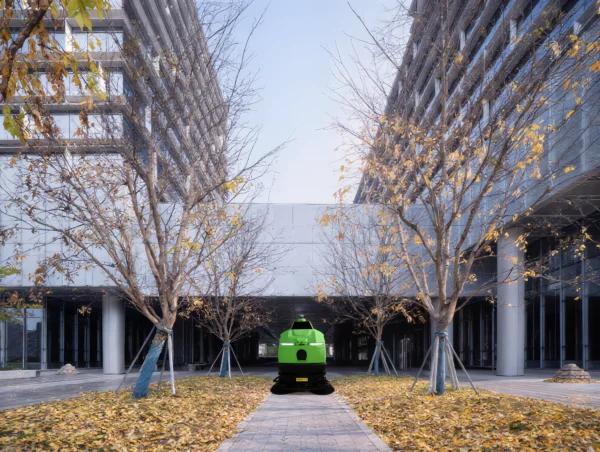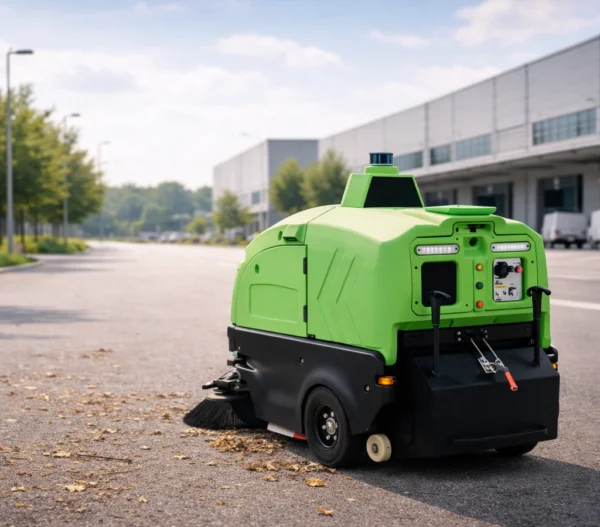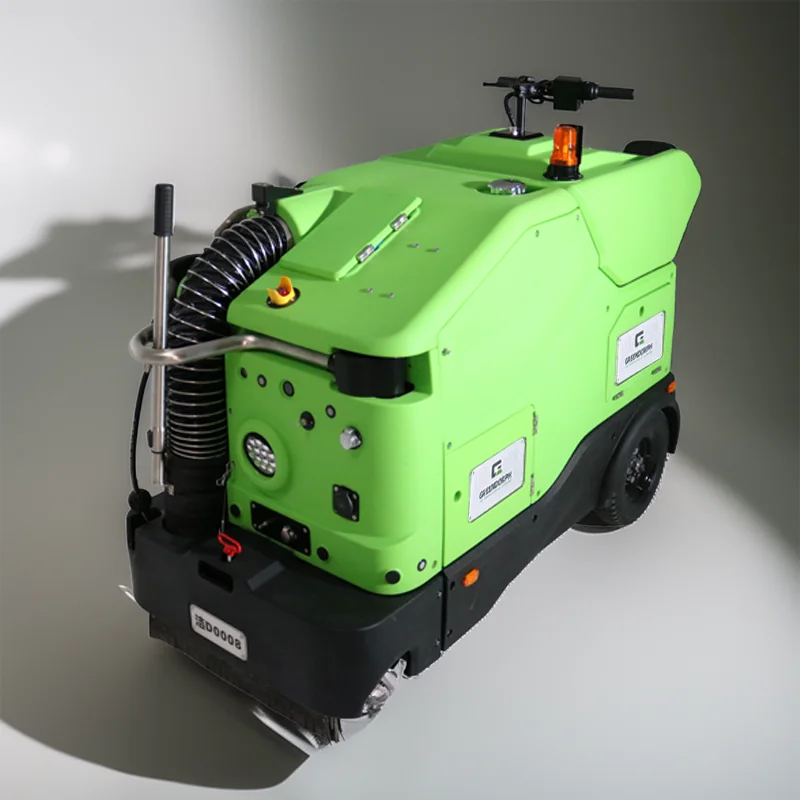
Urban environments generate a complex mix of debris, pollutants, and hazards that conventional cleaning methods often fail to address comprehensively. Municipalities and property managers invest heavily in sweeping operations, yet many persistent problems—from airborne dust to clogged drainage—remain unresolved with traditional approaches. In our work deploying advanced cleaning systems across hundreds of urban sites, we have seen how a properly specified street vacuum cleaner can tackle multiple interconnected issues that affect public health, infrastructure longevity, and quality of life. These machines do more than remove visible litter; they function as environmental control tools designed for the specific demands of dense urban spaces.
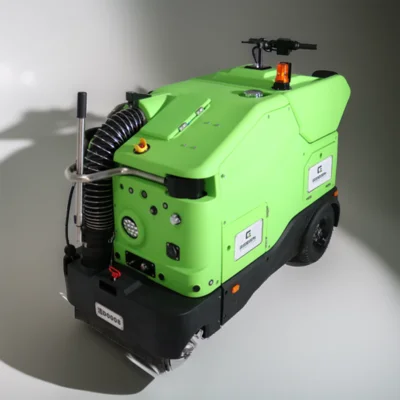
Reducing Particulate Matter and Respiratory Hazards
One of the most overlooked urban problems is the accumulation of fine particulate matter on paved surfaces. Road dust, brake wear particles, and construction silt become resuspended by traffic and wind, contributing to ambient air quality that directly affects respiratory health. A conventional street vacuum with high‑pressure water jets and advanced filtration captures particles down to the micron level, removing them permanently rather than simply relocating them. In our municipal projects, we have equipped street vacuum cleaner units with multi‑stage filtration systems that achieve capture efficiency above 99% for PM10 and PM2.5 fractions. This capability proves especially critical near schools, hospitals, and residential districts where vulnerable populations are concentrated. By extracting particulates at the source—the pavement surface—a street vacuum breaks the cycle of re‑entrainment that renders conventional sweeping ineffective in high‑traffic corridors.
Preventing Stormwater System Overload and Urban Flooding
Urban flooding increasingly stems not from inadequate drainage capacity but from blocked conveyance systems. Leaves, sediment, and illegal dumping accumulate at catch basins and inlets, creating obstructions that cause localized flooding during moderate rainfall. A street vacuum cleaner equipped with extended suction hoses and articulating boom arms can access these critical points directly, removing accumulated debris from grate surfaces and the immediate upstream drainage channel. We have implemented street vacuum programs in coastal cities where seasonal leaf fall historically caused recurring street flooding; after shifting to proactive vacuum‑based inlet cleaning, call‑outs for standing water dropped significantly. Unlike mechanical broom sweepers that push debris toward curbs where it can re‑enter drains, a street vacuum extracts and contains the material, providing measurable reductions in sediment loading to stormwater infrastructure. This approach also helps municipalities comply with industrial stormwater permits that require documented best management practices for pollutant removal.
Managing Nuisance Debris and Public Safety Liabilities
Urban corridors accumulate a wide spectrum of debris that creates safety hazards and negative perceptions of public spaces. Broken glass, discarded hardware, and construction debris pose puncture risks to pedestrians and tires alike. A street vacuum cleaner with magnetized pickup options and wide‑profile suction heads can systematically clear these hazards from bike lanes, crosswalks, and public plazas with minimal disruption to pedestrian flow. We at Greendorph have found that street vacuum units operating on consistent, route‑based schedules reduce slip‑and‑fall incidents and tire‑damage claims in commercial districts. Furthermore, by documenting cleaning routes and debris volumes through integrated telematics, property managers and municipal agencies can demonstrate due diligence in public space maintenance, a factor increasingly important for liability management.
The urban problems that frustrate residents and stretch public works budgets are rarely solved by a single intervention. Yet a street vacuum cleaner, when deployed as part of an integrated maintenance strategy, addresses multiple pain points simultaneously: it improves air quality by removing particulate sources, protects stormwater infrastructure from sediment accumulation, and eliminates hazardous debris that compromises public safety. For cities and commercial districts seeking measurable returns on cleaning investments, the street vacuum represents a shift from cosmetic sweeping to systematic environmental management—one that delivers cleaner, safer, and more resilient urban spaces.