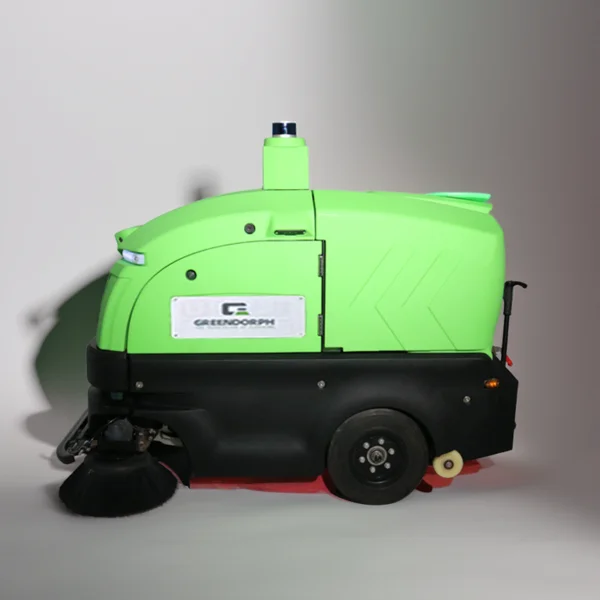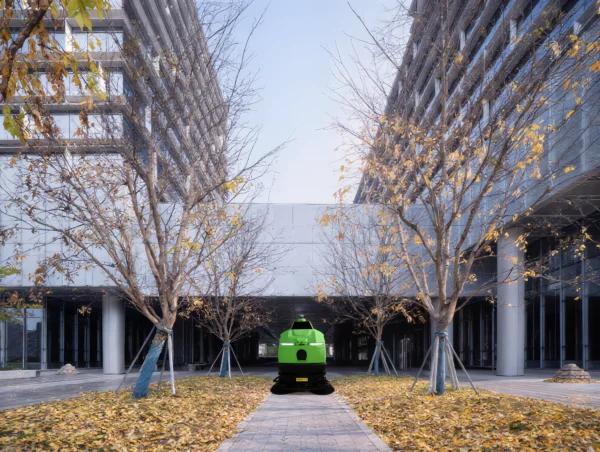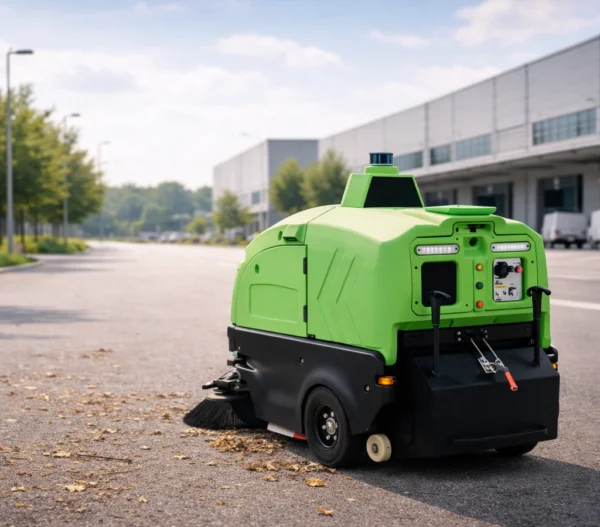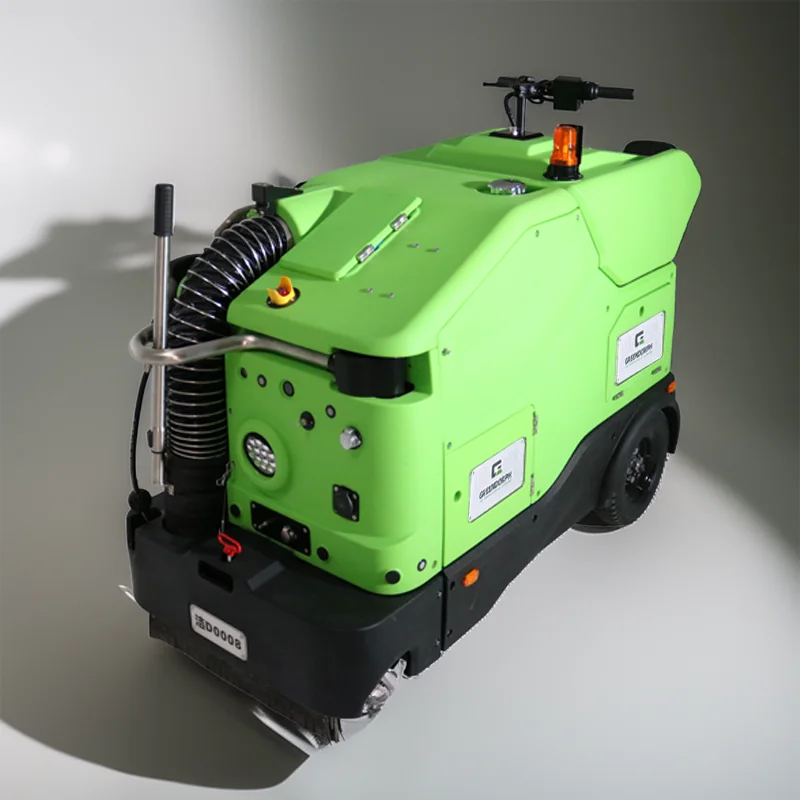
The physical toll of operating heavy cleaning equipment is often underestimated. Extended shifts, constant vibration exposure, repetitive tiller manipulation, and awkward seated postures contribute to cumulative fatigue and long-term musculoskeletal strain. In industrial environments where sweeping tasks cover vast warehouse aisles or expansive factory floors, these ergonomic challenges directly impact operator retention and productivity. At Greendorph, we have analyzed operator feedback across hundreds of deployment sites, and the evidence consistently shows that the design philosophy embedded in an industrial ride on floor sweeper machine determines not only cleaning efficiency but also workforce well-being. Understanding the mechanical and human‑factors engineering behind these machines helps facility managers make informed investments that prioritize both outcomes.
Vibration Damping and Postural Support
Whole‑body vibration represents one of the most significant ergonomic risks for operators who spend consecutive hours on sweeping equipment. Prolonged exposure to low‑frequency vibration has been linked to spinal compression and reduced circulation. A well‑engineered industrial cleaning machine addresses this through multi‑stage suspension systems that isolate the operator compartment from chassis vibrations. Unlike basic models that transmit shock directly through rigid frames, advanced industrial ride on floor sweeper machine designs incorporate pneumatic seats with adjustable lumbar support, along with elastomeric engine mounts that dampen oscillations before they reach the operator. Furthermore, the placement of foot pedals and steering columns follows natural joint angles, reducing the need for overextension or twisting. From a biomechanical perspective, these features lower the cumulative fatigue index over an eight‑hour shift, enabling operators to maintain consistent performance without the physical degradation commonly associated with industrial sweeping roles.
Intuitive Control Interfaces and Reduced Cognitive Load
Ergonomics extends beyond physical comfort to include cognitive workload. Machines that require complex control sequences, excessive force to engage functions, or frequent manual overrides place unnecessary mental strain on operators. Modern industrial cleaning machine platforms prioritize human‑centered design through logically grouped controls, haptic feedback, and color‑coded interfaces that reduce reaction time. For instance, a industrial ride on floor sweeper machine equipped with single‑joystick control for both propulsion and brush engagement allows operators to keep attention on the sweeping path rather than searching for switches. We have implemented such interfaces with programmable profiles that store preferred settings for specific zones, eliminating repetitive adjustments. This approach aligns with cognitive ergonomics principles, which recognize that minimizing decision‑point frequency and physical effort leads to higher situational awareness and fewer safety incidents—a critical consideration in busy industrial settings where pedestrians and forklifts share the floor.
Predictive Maintenance and Unplanned Downtime Reduction
An often‑overlooked dimension of operator ergonomics involves the physical strain associated with machine breakdowns. When an industrial cleaning machine fails mid‑shift, operators frequently must dismount, troubleshoot, or manually clear blockages—tasks that introduce sudden, unplanned physical exertion and interrupt workflow rhythm. Advanced industrial ride on floor sweeper machine systems leverage telemetry to monitor filter loading, brush wear, and battery health in real time, delivering maintenance alerts before component failure occurs. This predictive capability ensures that servicing happens during scheduled downtime rather than during active operation. From an ergonomic standpoint, eliminating emergency interventions reduces the frequency of awkward lifting positions, unexpected machine handling, and the stress of unplanned work interruptions. The result is a more predictable work environment where operators can maintain steady pacing without the physical and psychological disruption of equipment‑related crises.
Operator ergonomics is not a secondary consideration in industrial sweeping—it is a direct determinant of productivity, safety, and workforce stability. By selecting an industrial ride on floor sweeper machine engineered with vibration isolation, intuitive controls, and predictive maintenance intelligence, facility operators can reduce injury risk while improving cleaning consistency. At Greendorph, our deployments across industrial parks and warehouses have reinforced a simple principle: machines that respect the operator’s physical and cognitive limits consistently outperform those that do not. When equipment works in harmony with human capability, the entire facility benefits from sustained operational excellence.