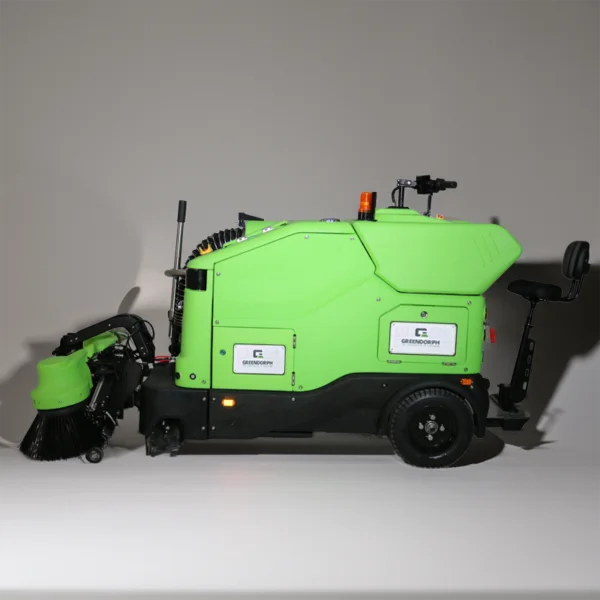
Outdoor surfaces such as sidewalks, parking areas, pedestrian zones, and public spaces often collect dust, fine particles, leaves, and small debris during daily use. Traditional cleaning methods may require several tools and more manual work to handle different conditions. A practical cleaning approach needs to consider dust control, surface coverage, operator efficiency, and environmental requirements.
Modern sweeping equipment combines vacuum collection, water control, and electric power systems to improve outdoor maintenance. By understanding how these functions work together, facility managers and cleaning teams can select suitable machines for different environments.
Understanding Dust Control in Outdoor Cleaning
Dust control is an important part of outdoor surface maintenance. Fine particles can become airborne when vehicles pass, wind conditions change, or dry sweeping methods are used. A cleaning machine with proper dust suppression functions can reduce the amount of particles released during operation.
A professional street sweeper usually combines mechanical collection with airflow technology. Brushes help move debris toward the collection area, while vacuum systems capture smaller particles. Water spraying can also reduce dust during cleaning tasks, especially in dry outdoor conditions.
Different locations create different cleaning challenges. Sidewalks may require flexible movement around pedestrians, while parking structures may need equipment that can operate in limited spaces. The machine size, cleaning method, and operator control system all affect daily results.
For organizations managing multiple outdoor areas, selecting equipment based on actual site conditions is more practical than focusing only on machine appearance. Factors such as surface type, cleaning frequency, and available operation space should be reviewed before making a decision.
Combining Vacuum Technology with Electric Operation
Vacuum technology plays an important role in improving cleaning quality. Compared with simple sweeping methods, a vacuum-based system can collect smaller dust particles and reduce leftover debris on the surface. This makes the cleaning process more suitable for areas where appearance and cleanliness need regular attention.
An electric road sweeper uses electric power to operate cleaning functions while reducing emissions during daily use. This type of equipment can be suitable for locations where noise levels and environmental impact are important considerations, such as residential areas, campuses, and indoor-connected outdoor spaces.
At this stage, our company focuses on providing cleaning equipment that matches different urban maintenance requirements. Greendorph develops solutions that combine practical operation needs with modern cleaning technologies. The equipment design considers factors such as maneuverability, runtime, and cleaning performance to help users manage regular outdoor maintenance work.
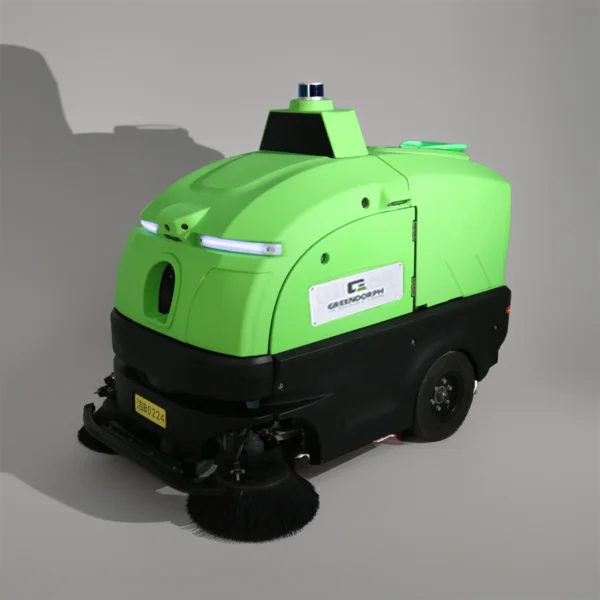
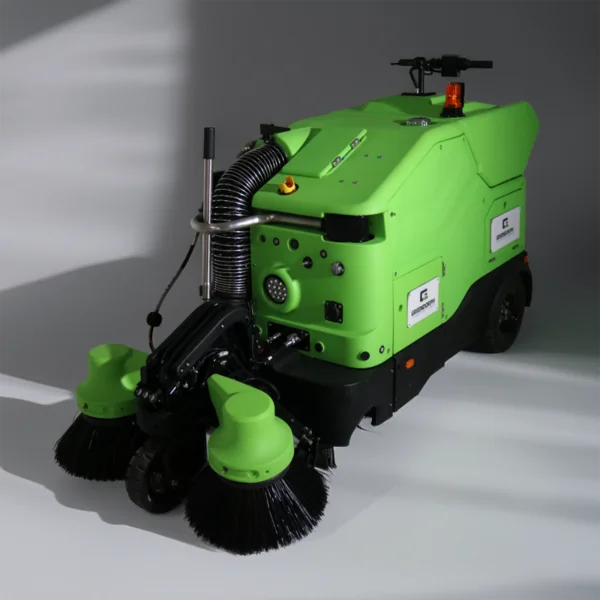
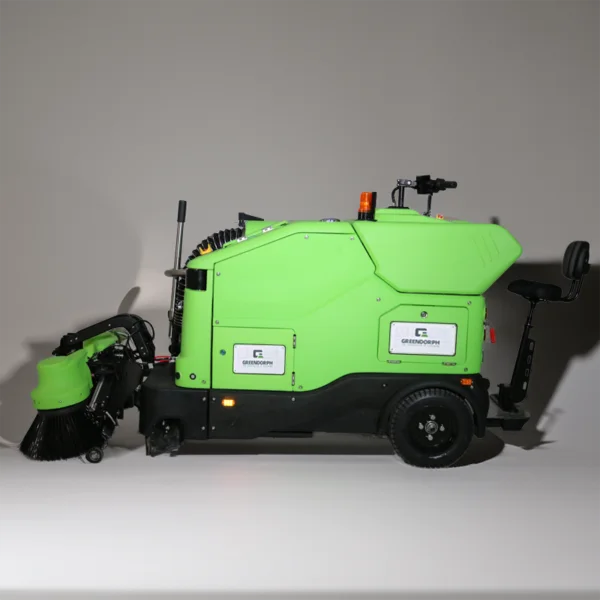
The Omniclean Urban Street Sweeper YJ80 is designed for a range of urban cleaning applications. The machine provides three operator-friendly modes, including manual ride on sweeper machine, auto-follow, and towed traction. These options allow cleaning teams to adjust operation methods according to different working environments.
How the YJ80 Supports Flexible Cleaning Tasks
The cleaning performance of a machine depends on how different systems work together. The YJ80 uses a vacuum system that combines high-pressure flushing, water-spray cleaning, turbine blowing, targeted tube collection, and dust-suppression misting. These functions allow one machine to handle several cleaning steps in a compact structure.
For areas with narrow paths or limited access, equipment size becomes an important consideration. The compact footprint of this model helps the floor sweeper ride on move through sidewalks, pedestrian plazas, parking structures, and other mid-sized outdoor spaces. Operators can complete cleaning tasks without requiring large working areas.
Runtime is another factor that affects daily scheduling. The YJ80 provides up to 8 hours of operation on a single charge. Its electric drive system supports quiet operation and produces zero emissions during use, making it suitable for regular cleaning tasks in areas with noise concerns.
When selecting a cleaning machine, buyers should also review operator convenience and maintenance requirements. Easy control systems, suitable driving modes, and adaptable functions can help teams organize cleaning routes more effectively.
Choosing Equipment for Different Outdoor Environments
Every outdoor area has different cleaning needs. A commercial property may focus on keeping entrances and walkways clean, while a municipal project may require equipment for wider public spaces. The right machine should match the location, cleaning schedule, and expected workload.
A street sweeper with combined vacuum and dust-control functions can help improve surface maintenance by collecting different types of debris in one process. However, buyers should still evaluate factors such as machine dimensions, battery performance, and cleaning methods before choosing equipment.
For companies looking for flexible cleaning solutions, Greendorph provides equipment options designed around practical outdoor applications. The focus is placed on integrating cleaning functions with real operation requirements. Customers can discuss application conditions, working areas, and equipment configurations to find a suitable approach.
Improving Outdoor Maintenance with Practical Equipment Choices
Dust control requires more than regular sweeping. Equipment design, cleaning technology, and operation methods all influence the final maintenance results. Machines with vacuum collection, water management, and electric systems can provide a more organized approach for different outdoor surfaces.
An electric road sweeper can be considered for projects that need quieter operation and reduced emissions. By reviewing site conditions and cleaning goals, users can build a maintenance plan that fits their daily requirements. The right equipment choice helps cleaning teams manage outdoor spaces with greater consistency and flexibility.